A wire rope can look serviceable from the outside while corrosion is advancing between its strands, at the core, or beneath a socket. In marine lifting, mooring, and cargo operations, knowing how to prevent rope corrosion is therefore not a housekeeping exercise. It is a control measure for load capacity, equipment life, traceability, and safe operations.
Salt spray, humidity, washdowns, chemical exposure, and long idle periods all accelerate deterioration. The highest-risk areas are often the ones that receive the least attention: sections wrapped on a drum, rope inside a sheave groove, dead ends, terminations, and portions held against a wet deck or structure. A disciplined preservation plan must address the rope, its fittings, and the conditions around them.
Know What Corrosion Does to Wire Rope
Steel wire rope is made up of many individual wires that work together under load. Corrosion reduces the metallic cross-section of those wires and creates rough surfaces that promote abrasion. It can also restrict normal movement between strands, reducing flexibility and increasing the risk of fatigue damage during bending cycles.
Surface rust is a warning sign, but it does not show the full condition of the rope. Internal corrosion may develop where moisture is retained within the rope, particularly when lubrication has dried out or been displaced. Red-brown staining around a termination, rope swelling, stiffness, pitting, broken wires, or lubricant forced from the rope are all reasons to inspect more closely.
Do not apply the same corrosion logic to every rope type. Synthetic mooring ropes do not rust, but they can lose performance through UV exposure, heat, chemical attack, abrasion, and contamination. Natural-fiber ropes are vulnerable to moisture-related rot and mildew. For wire rope, however, corrosion prevention must remain central to maintenance planning because deterioration can be difficult to identify before the rope is put under load.
How to Prevent Rope Corrosion Before It Starts
The most effective approach begins before the rope is installed. Specify a rope construction, finish, lubricant, and termination suitable for the actual environment, not only the required working load limit. A rope used in a sheltered warehouse has different protection needs from one operating on an exposed vessel deck, quay crane, offshore platform, or coastal construction site.
Galvanized wire rope provides an added layer of protection for many marine and outdoor applications. In aggressive environments, however, galvanizing is not a substitute for inspection and lubrication. Salt deposits and standing water can still attack the rope, especially where the protective coating has been damaged by abrasion or where dissimilar metals create localized corrosion risks.
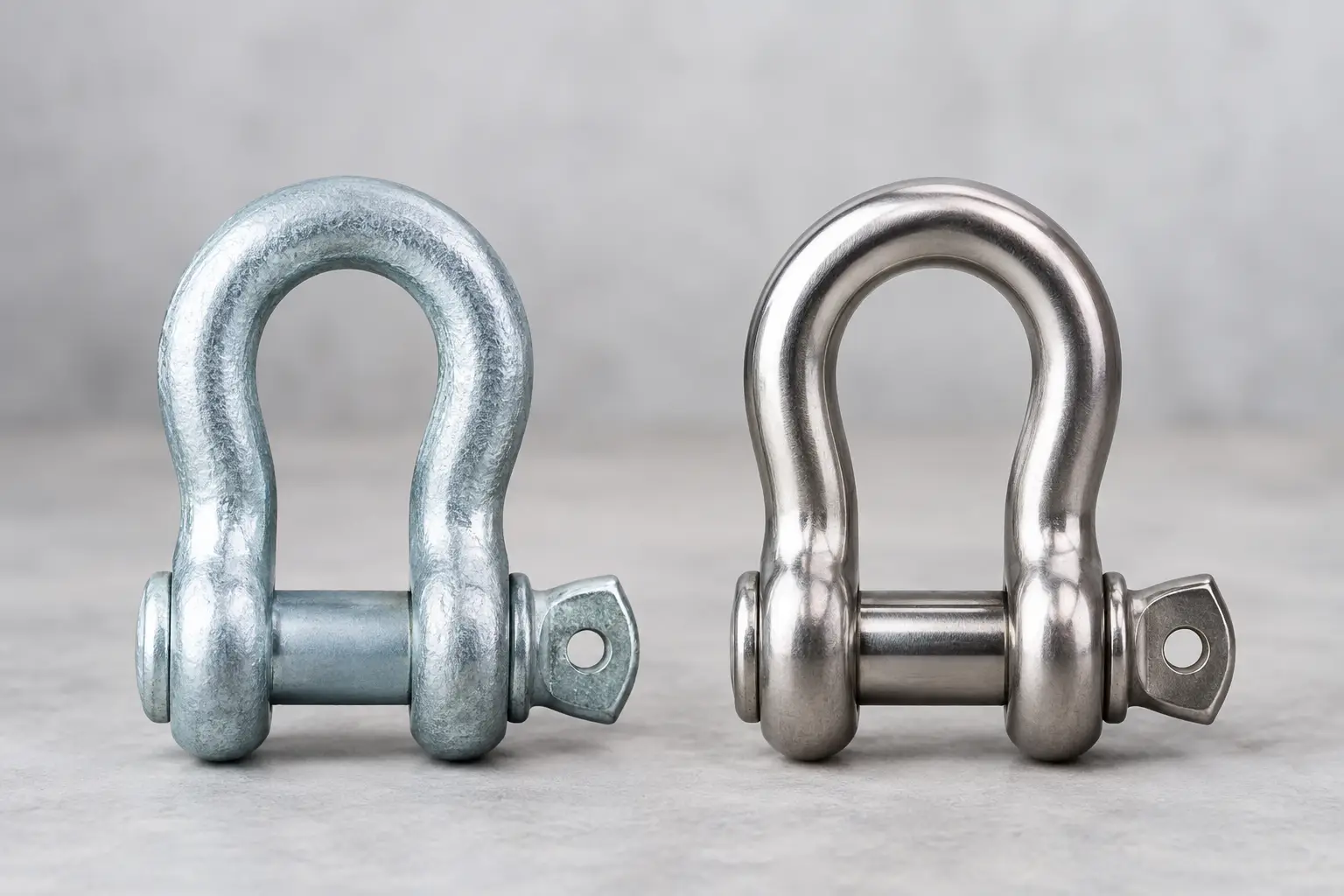
For critical lifting applications, confirm that the selected rope, socket, ferrule, thimble, and associated hardware are compatible with the service environment. Stainless steel hardware can offer improved corrosion resistance in suitable applications, but material selection must consider load requirements, galling, chloride exposure, and compatibility with the rest of the assembly. The right configuration should be cut, swaged, and documented to the required specification before it reaches site.
Store Rope Clean, Dry, and Off the Ground
Poor storage can start the corrosion process before a rope enters service. Keep wire rope on properly supported reels or drums, elevated from the floor, and protected from rain, seawater, condensation, dirt, welding spatter, and chemical vapors. Avoid placing reels directly on wet concrete or soil, where moisture can reach the lower wraps and remain trapped.
Indoor storage should be dry and ventilated. Where temperature changes create condensation, improve airflow and inspect stock more frequently. Outdoor storage may be unavoidable during projects, but ropes should be covered in a way that sheds water without trapping humidity underneath. A tightly sealed plastic cover can create a wet microclimate if the rope is already damp.
Reels should be handled carefully with a shaft through the center bore or approved lifting arrangement. Dragging a reel, dropping it, or allowing a rope to scrape across the ground damages protective coatings and introduces abrasive contamination. Keep identification tags and certificates matched to each reel so that inspection history and service status remain traceable.
Keep Water and Contaminants Out of the System
Wire rope condition is strongly influenced by the equipment it runs through. Inspect drums, sheaves, fairleads, rollers, and guides for worn grooves, sharp edges, packed dirt, and standing water. A sheave groove that retains seawater or has the wrong profile can remove lubricant, damage the outer wires, and hold contaminants against the rope.
Drainage matters on cranes, winches, davits, and mooring arrangements. Correct blocked drains, leaking hydraulic lines, and locations where water collects around the lower wraps of a drum. After heavy rain, seawater exposure, or washdown, allow the rope to drain and dry as far as practical before it is stored or wound tightly for an extended period.
Chemical contamination requires specific action. Acids, alkalis, cleaning agents, cargo residues, and process chemicals may attack steel or degrade rope lubricants. If exposure occurs, isolate the equipment where necessary, identify the contaminant, follow the chemical supplier’s cleaning guidance, and arrange a competent inspection. Do not assume a rinse alone has restored a safety-critical rope to serviceable condition.
Lubricate for Internal and External Protection
A wire rope lubricant has two jobs: it reduces friction between moving wires and helps exclude moisture. The rope’s original manufacturing lubricant does not last indefinitely. Service conditions, bending cycles, weathering, and cleaning gradually reduce its protective effect.
Use a lubricant formulated for wire rope and compatible with the original rope lubricant. The product must penetrate between strands while leaving a protective film on the exterior. Heavy grease can sit on the surface, collect abrasive grit, and fail to reach the internal areas that need protection. Conversely, an overly thin product may wash away quickly in exposed marine service.
Before lubrication, remove loose salt, dirt, and old contaminated deposits using an approved method that will not damage the rope. Apply lubricant gradually while the rope is moving slowly, where safe and permitted, so it can enter the strand valleys. Pay particular attention to bending zones, sections passing over sheaves, drum crossover areas, and zones near terminations. Wipe off excess material that could contaminate brakes, decks, or adjacent equipment.
Lubrication intervals depend on exposure and use. A lightly used indoor rope may need only periodic condition checks, while a vessel-deck or offshore rope may require frequent cleaning, inspection, and re-lubrication. Set intervals based on service records, manufacturer guidance, environmental exposure, and inspection findings rather than a calendar alone.
Inspect the Rope and Its Terminations Systematically
Corrosion prevention works only when inspections are regular enough to detect change. Pre-use checks should look for visible rust, dry or discolored sections, kinks, crushing, birdcaging, broken wires, damaged fittings, and signs of moisture retention. These checks should be supported by documented periodic inspections performed by a competent person under the applicable site, vessel, and regulatory requirements.
Inspection should not stop at the accessible length of rope. Examine the rope where it enters a socket, passes through a guide, leaves the drum, and contacts sheaves. Where practical and safe, inspect lower layers on drums and areas normally hidden beneath protective sleeves or wraps. Corrosion at an end fitting can be particularly serious because that is where load transfer is concentrated.
Record findings in enough detail to show the rope’s condition over time. A note such as “rust present” is less useful than recording location, severity, wire breaks, lubrication condition, date, and corrective action. Trend records help maintenance teams distinguish a stable cosmetic condition from accelerating deterioration.
Remove a rope from service when inspection criteria require it or when its condition cannot be reliably assessed. Do not use lubricant, paint, or a quick surface clean to conceal damage. If a rope assembly is critical to lifting or personnel access, replacement and certified re-termination are generally the safer and more accountable options.
Control Corrosion at Sockets, Ferrules, and Hardware
Terminations need the same attention as the rope body. Water can enter at the interface between rope and socket, collect inside a poorly protected fitting, or remain trapped under tape, coverings, or improvised protective wraps. Inspect for staining, cracks, movement, damaged coatings, and distortion.
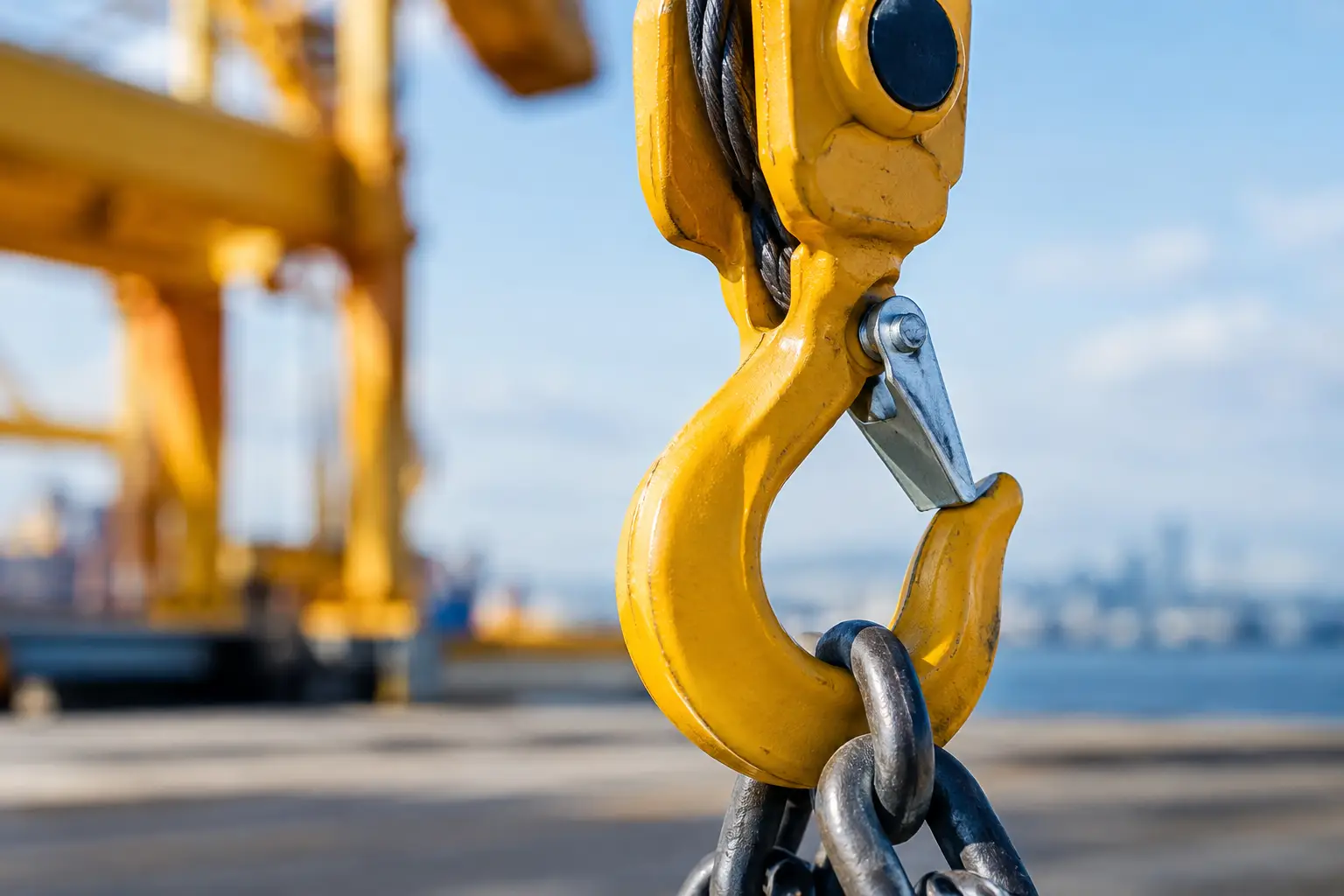
Avoid wrapping wet rope ends with non-breathable materials for long periods. Where protective coverings are required, use a method appropriate to the application and inspect beneath them on a planned basis. Ensure shackles, hooks, turnbuckles, and other connecting hardware are correctly selected, secured, and free from corrosion that could affect pin engagement or load paths.
For new assemblies, professionally swaged terminations, load testing where required, and complete certification create a clear baseline for future inspection. C&C International can support wire rope processing, testing, and job-ready documentation when a replacement or project-specific assembly is needed.
A corroding rope rarely fails without prior evidence, but the evidence is easy to miss when equipment is rushed back into service. Treat clean storage, drainage, compatible lubrication, documented inspection, and timely replacement as part of the operating system – not separate maintenance tasks. That discipline keeps a rope ready for the load it is expected to carry.