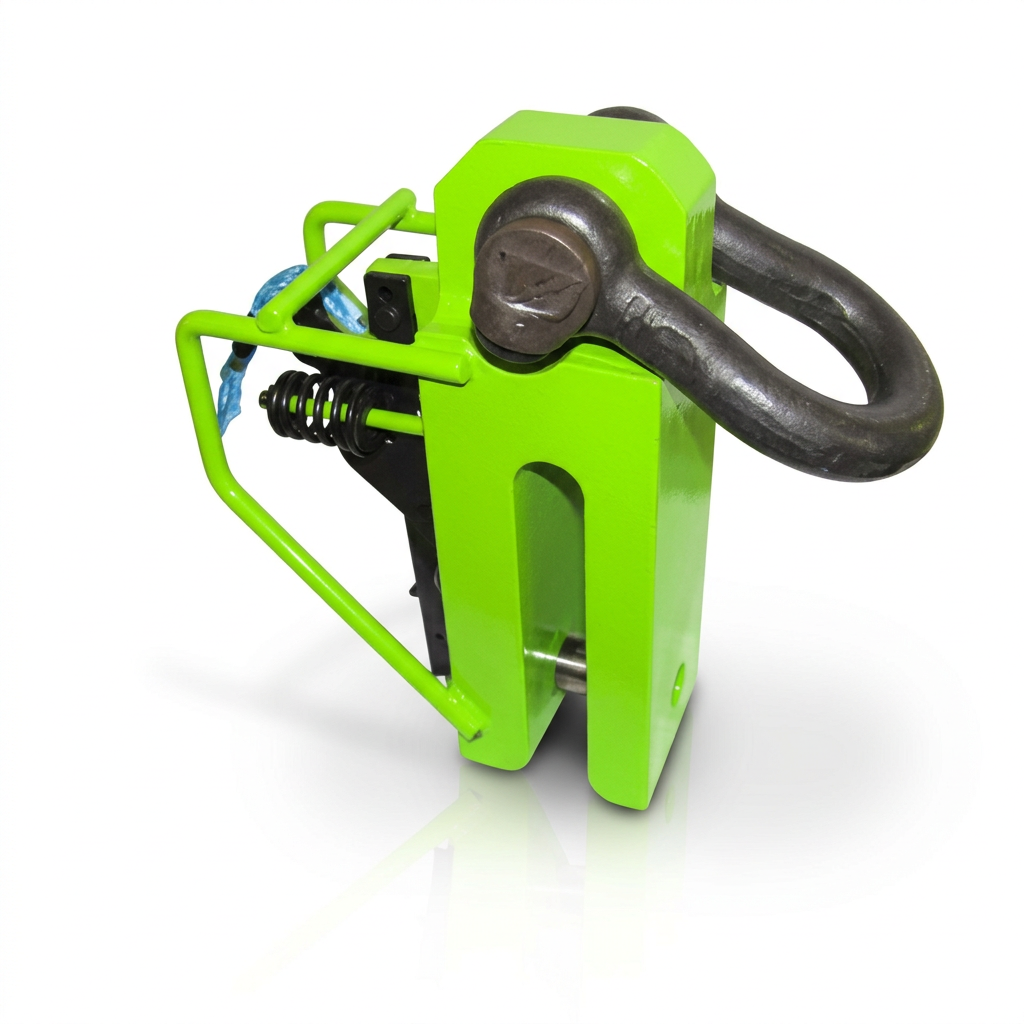
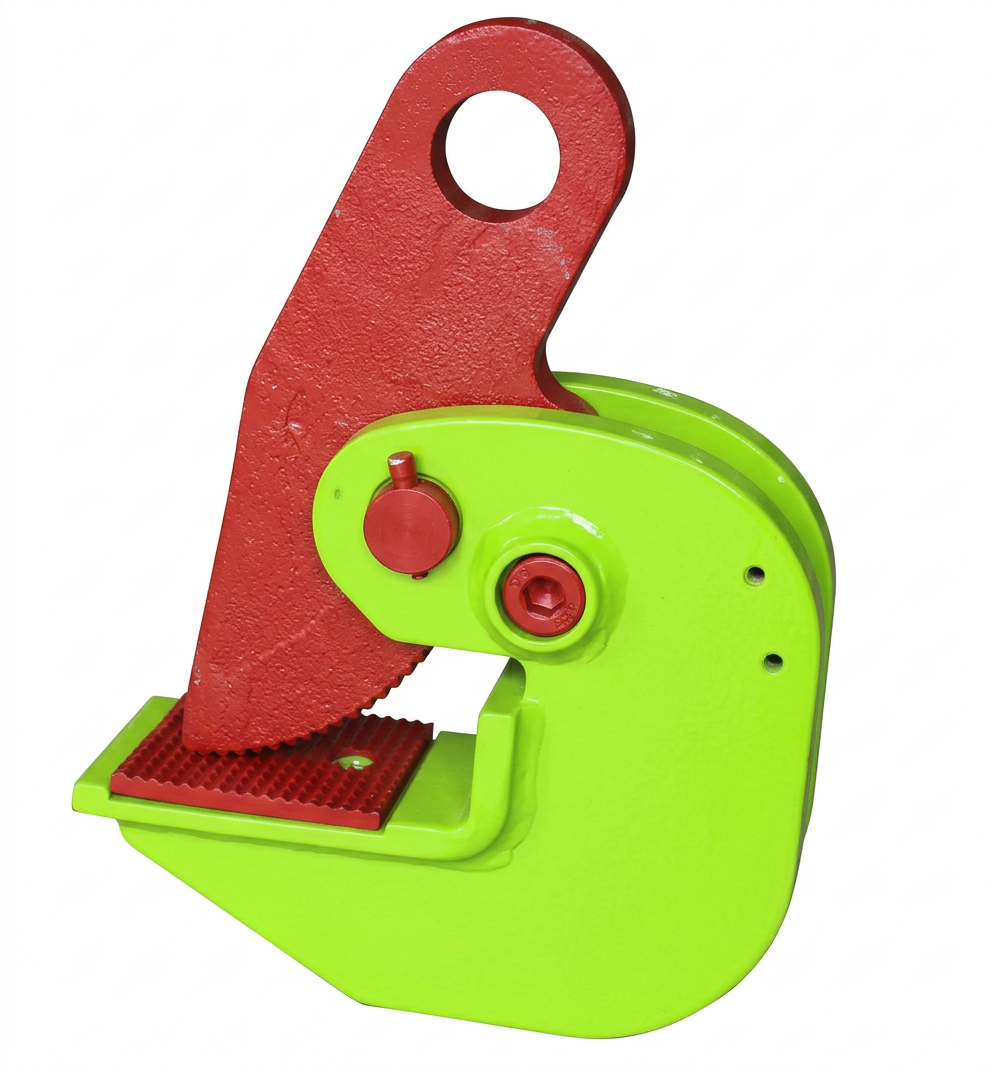
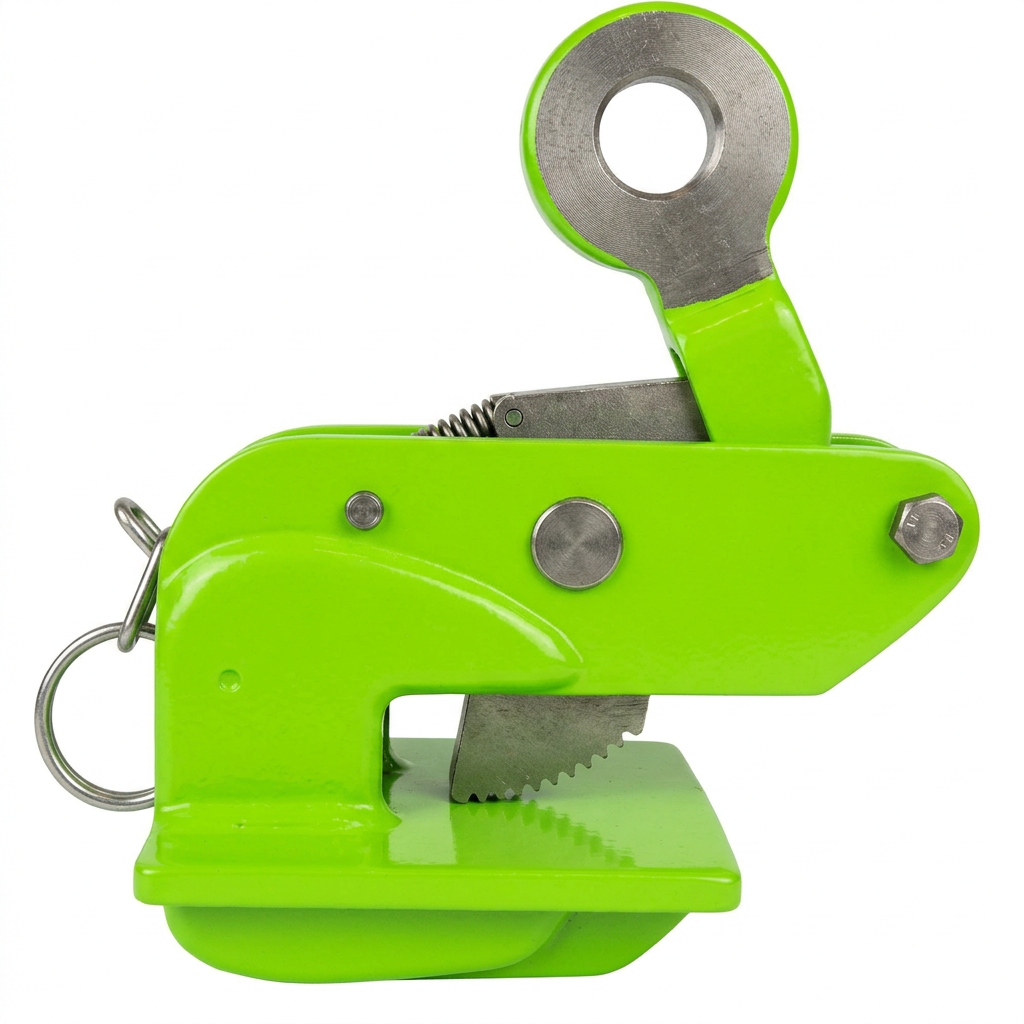
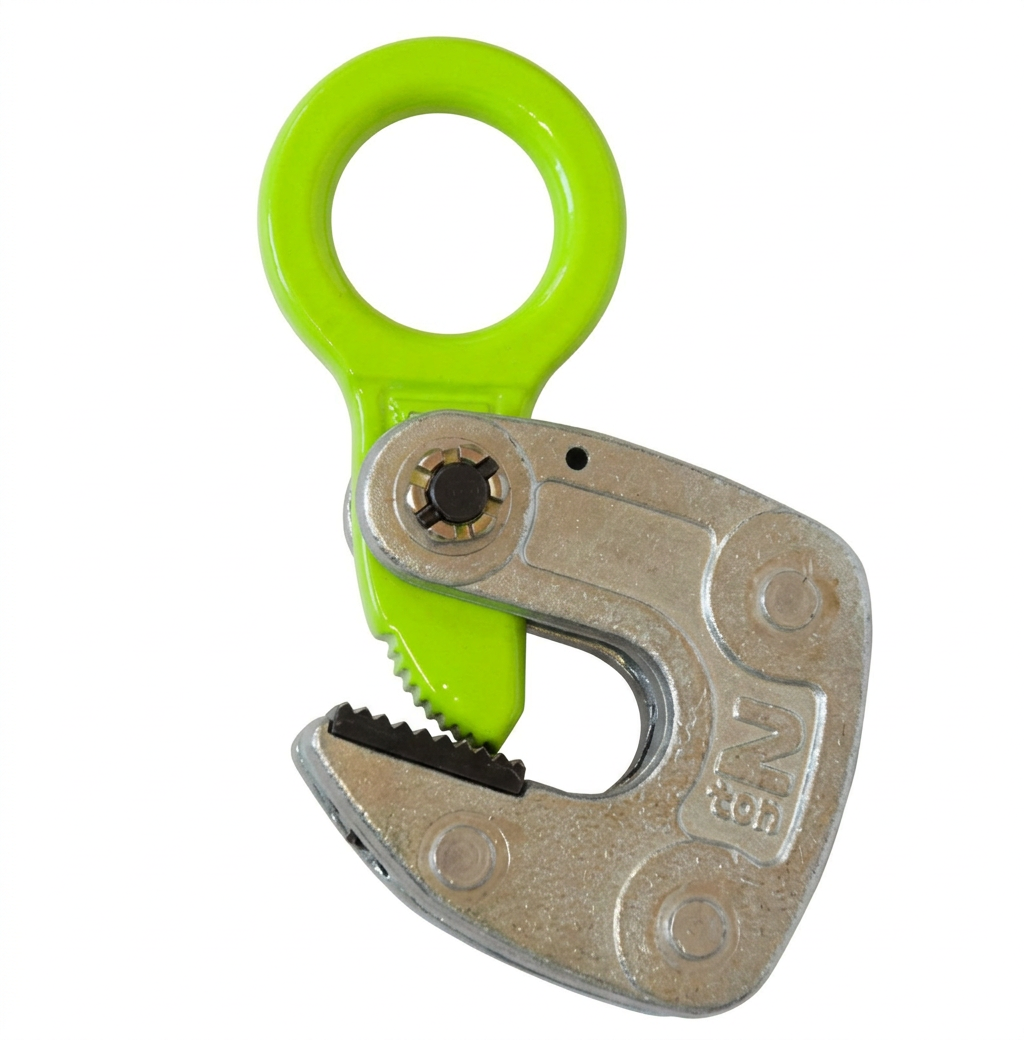
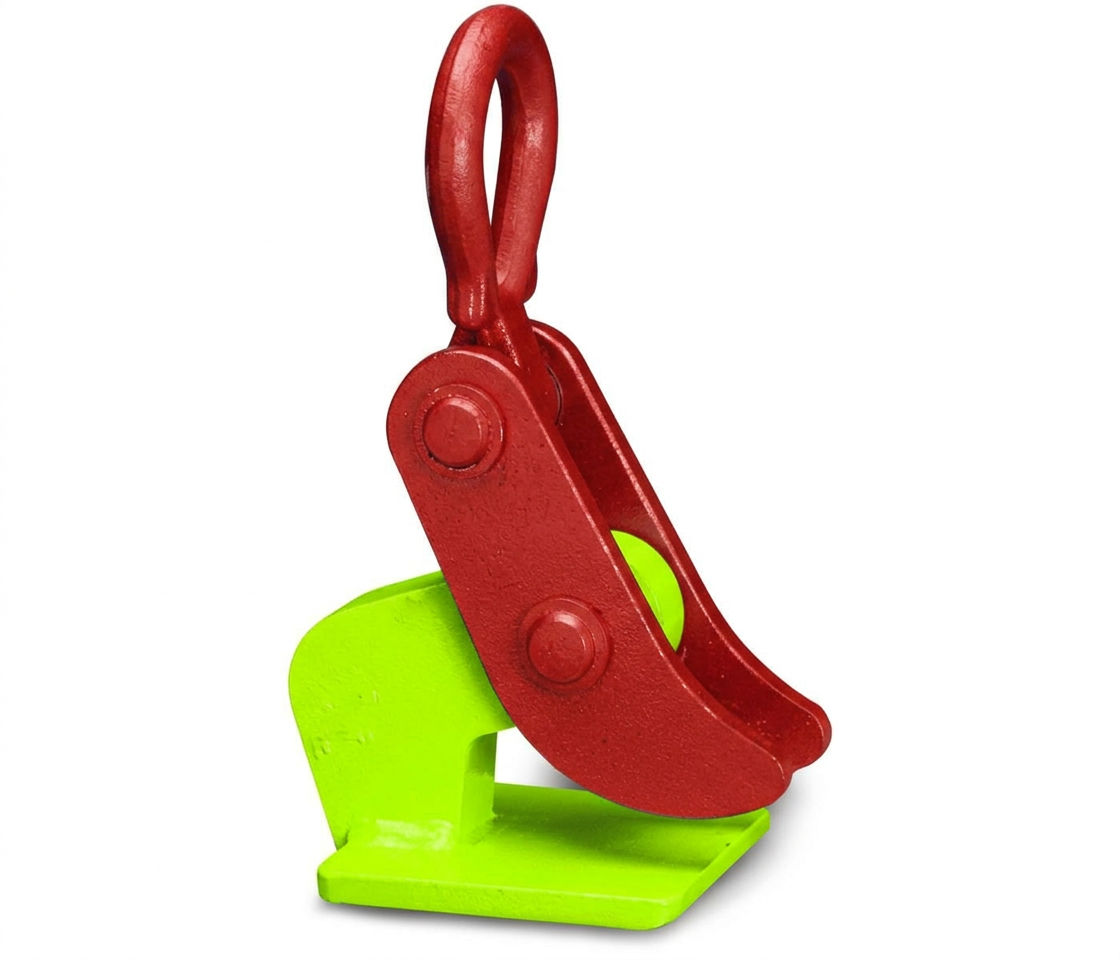
C&C supplies lifting clamps in Singapore, including vertical and horizontal plate lifting clamps, universal clamps, screw cam clamps, pile pitching clamps and beam clamps.
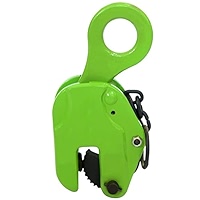
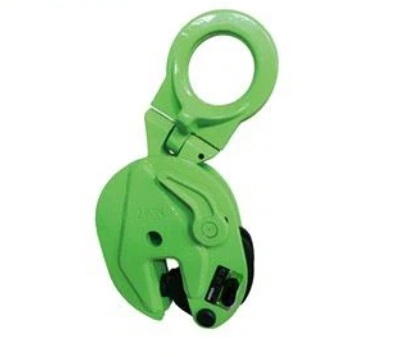
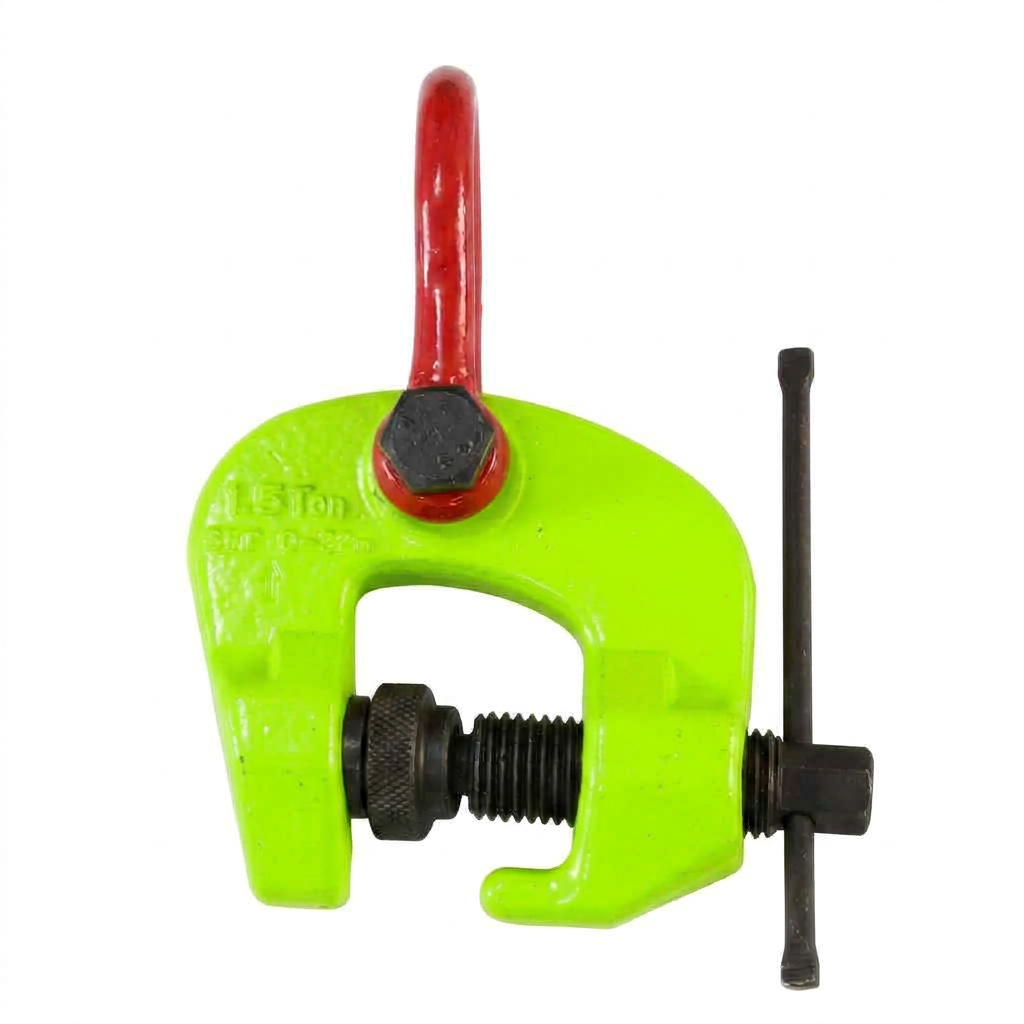
Vertical lifting clamps grip a single steel plate and are used to lift it vertically or turn it from horizontal to vertical. Horizontal lifting clamps are used in pairs, usually with a spreader or two-leg sling, to lift plates while they stay flat. Universal and screw cam clamps add flexibility for different lifting angles and secure clamping.
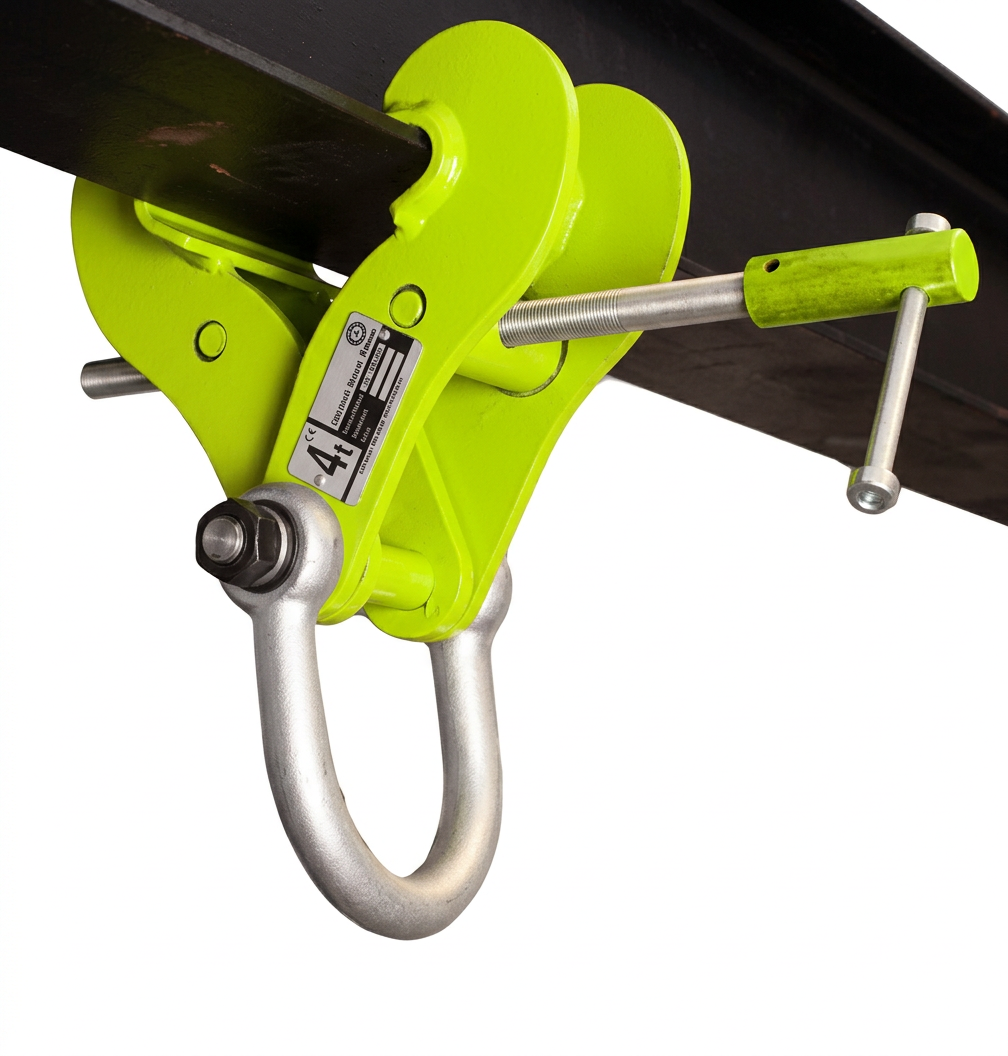
A beam clamp fixes onto the flange of an I-beam to create a temporary anchor point for a chain block or lever hoist. A pile pitching clamp is designed to grip sheet piles so they can be lifted and positioned safely.
Lifting gear in Singapore must be examined periodically by a MOM-registered Authorised Examiner. C&C can also arrange load testing and inspection.
Vertical clamps lift or turn a single plate vertically, while horizontal clamps are used in pairs to lift plates flat.
No. Standard plate clamps are designed to lift one plate at a time.
A beam clamp attaches to an I-beam flange to provide a temporary anchor point for hoists and lifting equipment.
Check for worn or damaged jaw teeth, a weak spring, a sticking cam or any cracks, and remove the clamp from service if any are found.