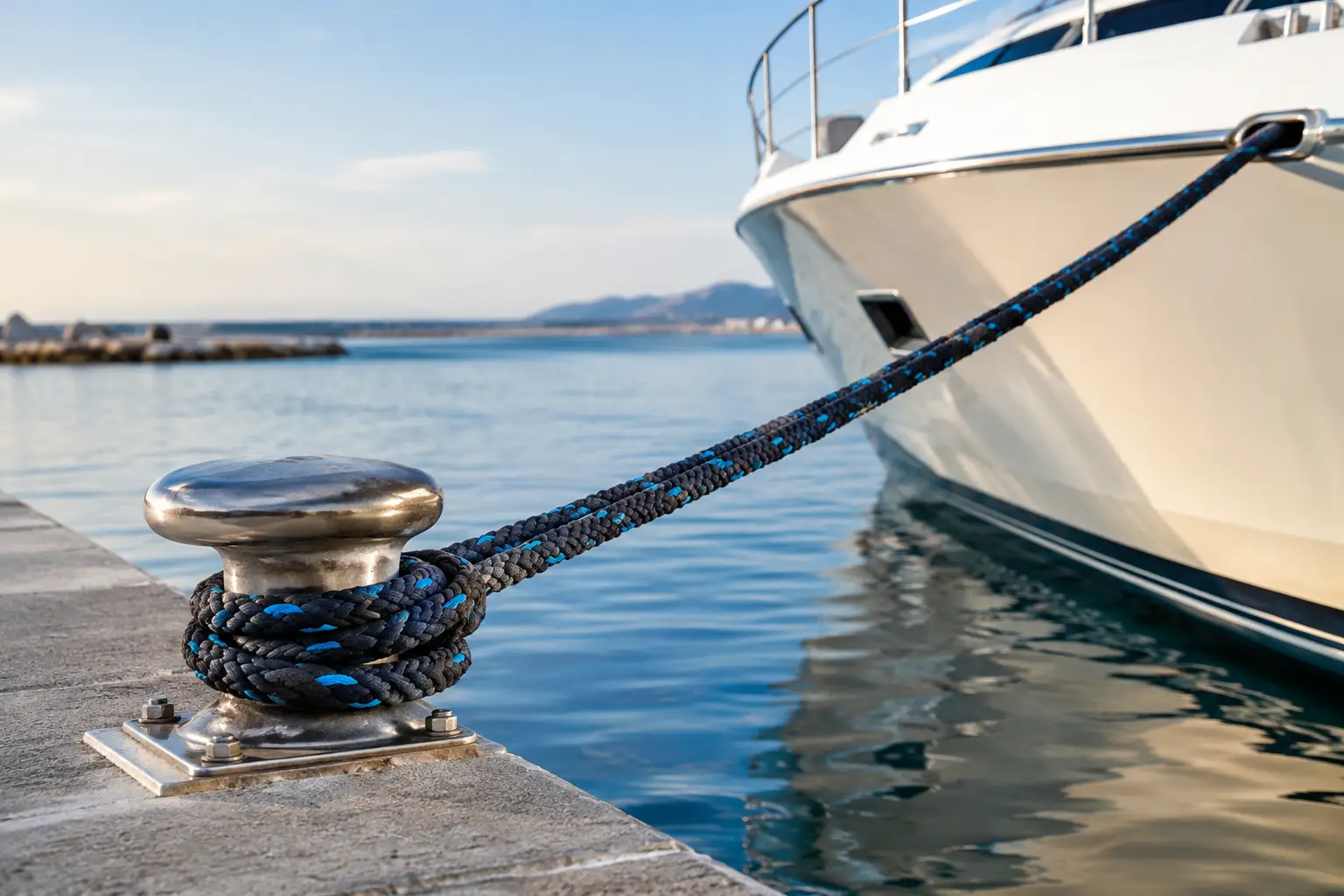
A mooring line can look serviceable on the quay and still have lost a meaningful part of its working life in storage. Poor mooring rope storage exposes rope to ultraviolet degradation, moisture retention, chemical contamination, crushing, and damage from repeated handling. For vessel operators and marine maintenance teams, the storage area is not simply a housekeeping concern. It is part of the rope-management system that supports safe berthing, predictable replacement planning, and inspection readiness.
The right arrangement depends on rope construction, vessel operating profile, storage duration, and available space. However, the basic objective remains the same: keep the rope clean, dry, supported, identifiable, and accessible for inspection without creating unnecessary bends, abrasion, or handling damage.
Why Mooring Rope Storage Affects Service Life
Synthetic mooring ropes are widely used because of their strength-to-weight ratio, handling advantages, and resistance to corrosion. Their performance can still be compromised when they are stored carelessly. Polypropylene, polyester, nylon, HMPE, and blended-fiber ropes each respond differently to sunlight, heat, water, and chemical contact. Natural-fiber ropes have their own risks, particularly mildew, rot, and loss of strength from prolonged damp conditions.
Ultraviolet exposure is one of the most common avoidable problems. A rope left on an exposed deck, jetty, or open storage rack may fade before the damage is obvious. UV radiation gradually weakens many synthetic fibers, especially when exposure is sustained over months. Covers and coatings provide some protection, but they are not a substitute for controlled storage.
Moisture also deserves attention. Synthetic ropes do not rust, but wet rope stored without ventilation can retain salt, dirt, and biological contamination. A damp coil or reel may develop odor, surface staining, and localized abrasion as grit dries into the fibers. In tropical marine environments, high humidity and salt-laden air make this a routine maintenance issue rather than an exception.
Storage damage often appears at the points where the rope is least visible. A line dragged over concrete, trapped beneath cargo, compressed against a sharp rack edge, or stacked under other equipment can suffer localized deformation. These areas may later become initiation points for abrasion, yarn breakage, or reduced handling performance under load.
Set Up a Controlled Storage Area
A practical rope-storage area does not need to be elaborate, but it must control the conditions that cause preventable deterioration. Indoor storage is preferred for reserve ropes, replacement lines, and stock held for planned maintenance. The area should be dry, shaded, ventilated, and separated from welding, painting, battery charging, chemical handling, and vehicle traffic.
Keep ropes off the floor. Pallets, clean timber bearers, shelving, or purpose-built racks prevent direct contact with standing water, deck contamination, and sharp floor surfaces. The support method should distribute weight evenly. Avoid narrow bars or protrusions that place a permanent bend or concentrated pressure on a loaded coil.
For ropes supplied on reels, store the reel upright on firm, level support where practical and secure it against rolling. The rope should not be stored in a position that allows flange damage, crushing, or water collection around the wound layers. For coiled rope, use a broad, loose coil rather than tight turns. Tight coiling can introduce kinks and make later deployment more difficult, particularly with larger-diameter lines or ropes with protective jackets.
Where covered storage is unavailable, use an opaque, breathable cover that shields the rope from sunlight and rain while allowing trapped moisture to escape. Do not seal wet rope under plastic sheeting. That approach may keep rain out, but it also holds condensation and heat against the fibers.
Keep Rope Away From Contaminants
The storage zone should be physically separated from materials that can damage rope fibers or complicate inspection. Diesel, lubricants, solvents, acids, alkalis, paints, and cleaning agents can affect rope construction, coatings, and splices. The actual compatibility depends on the fiber and the chemical involved, so a general assumption that synthetic rope is chemical-proof is unsafe.
Contamination may not be immediately visible. Fine metal particles from grinding, overspray from painting, and dust from cargo operations can work into the rope surface and accelerate abrasion during use. Store rope away from fabrication areas and keep storage racks clean before placing new or serviced lines on them.
If a rope has been exposed to an unknown substance, isolate it from serviceable stock. Record the exposure, identify the product where possible, and seek the rope manufacturer’s guidance or a competent inspection assessment before returning it to duty.
Store, Identify, and Rotate by Rope Condition
A storage system only works if crews can identify what they are handling. Every mooring rope should be traceable to its specification, diameter, length, material, minimum breaking load or certified strength data where applicable, purchase or commissioning date, and inspection history. For lines supplied with certification or test documentation, retain those records in the vessel or asset maintenance system and keep the rope marking legible.
Clear identification prevents a common operational failure: installing a line of the wrong size, construction, or rating because several coils appear similar at a glance. It also allows procurement and maintenance teams to distinguish between operational spares, condemned stock, ropes awaiting inspection, and ropes reserved for a specific vessel or project.
Use first-in, first-out principles for unused stock where specifications and operating requirements permit. This is especially useful for ropes held in warehouses for extended periods. Rotation should not override traceability or project requirements, but it helps avoid one coil remaining untouched while others are repeatedly issued.
Do not store serviceable rope together with condemned rope. Segregate damaged, expired, or quarantine-status equipment in a clearly marked location. A line removed from service because of heat glazing, severe abrasion, contamination, broken yarns, splice damage, or shock loading must not find its way back into operations simply because it was returned to a general store.
Inspect Before Storage and Before Issue
Storage is an opportunity to inspect rope, not a reason to defer inspection. Before returning a mooring line to storage, remove surface dirt and salt using a cleaning method suitable for the rope type and manufacturer guidance. Allow the rope to dry fully before coiling or covering it.
Carry out a visual and tactile inspection along the accessible length. Look for cut or melted fibers, excessive fuzzing, flattened sections, stiff or hardened areas, discoloration, embedded grit, glazing, inconsistent diameter, and damage at splices, eyes, thimbles, chafe protection, and termination hardware. Pay particular attention to sections that pass through fairleads, chocks, bitts, rollers, or areas with known abrasion exposure.
A rope that looks clean is not necessarily fit for service. Conversely, a rope with superficial dirt may remain serviceable after cleaning and assessment. The decision must be based on the rope manufacturer’s retirement criteria, vessel procedures, service history, and the findings of a competent person. When doubt exists, remove the line from operational use until it has been assessed.
Avoid Damage During Handling
Many storage-related defects occur while moving the rope rather than while it is sitting on the rack. Use suitable lifting methods for large coils and reels. Forklift tines, crane hooks, and shackles must not contact or puncture rope directly. If mechanical lifting is required, use correctly rated handling equipment and a method that supports the reel or coil without pinching the line.
Do not drag mooring rope across rough decks, concrete, steel gratings, or dock edges. A few meters of dragging can introduce abrasive particles and damage the outer fibers. During vessel supply, confirm that the delivery route is clear, that the storage location is ready, and that the rope can be placed without being forced around tight corners.
Match the Storage Plan to the Operating Environment
A harbor tug, container vessel, offshore support vessel, and fixed terminal will not manage rope stock in the same way. A vessel with limited covered space may prioritize shorter-term deck storage with weatherproof covers and frequent inspection. A shore-based maintenance facility can establish a more controlled inventory area with racking, quarantine zones, inspection records, and allocated cleaning space.
For long-term stockholding, temperature stability and UV protection become more significant. For high-turnover vessel operations, accessibility and accurate labeling may be the greater risk controls. For offshore and heavy-duty applications, rope protection at eyes and high-wear sections deserves particular attention because storage cannot reverse damage accumulated in service.
Procurement teams should also consider how the rope will arrive, be offloaded, and be stored before placing an order. Reels, coils, eye configurations, protective sleeves, and packaging should suit the site’s handling equipment and intended storage duration. Ordering the correct rope without planning its custody can create avoidable damage before the line reaches the vessel.
C&C International supports marine operators with mooring ropes and associated hardware configured to operational requirements, alongside practical guidance on handling, documentation, and readiness for service. Where rope selection, splicing, protection, or replacement planning is involved, the storage method should be considered as part of the full working arrangement, not after delivery.
A clean, labeled, shaded rack will not eliminate every mooring-line risk. It will, however, prevent a large share of the damage that should never reach the berth. Set the standard before the next rope delivery, and make every person handling the line accountable for maintaining it.