web analytics

Lifting Hooks

Lifting Hooks

C&C supplies lifting hooks in Singapore, including G80 swivel hooks, eye and clevis sling hooks, self-locking hooks, foundry hooks, sorting hooks and weld-on excavator hooks.

Buying guide & FAQ

Types of Lifting Hooks

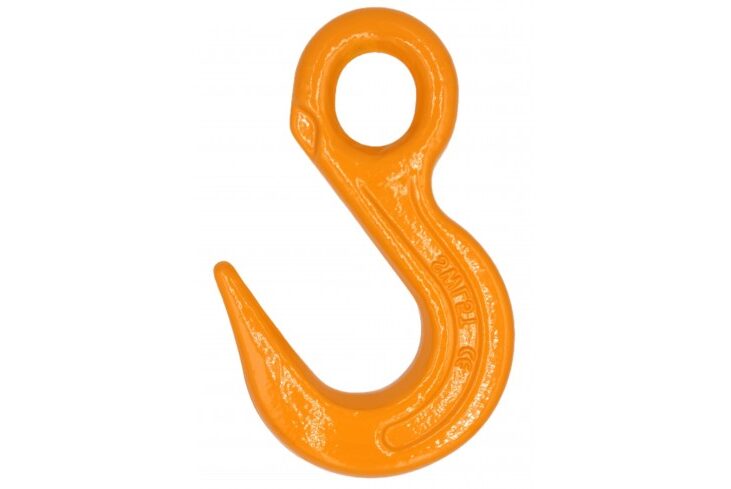
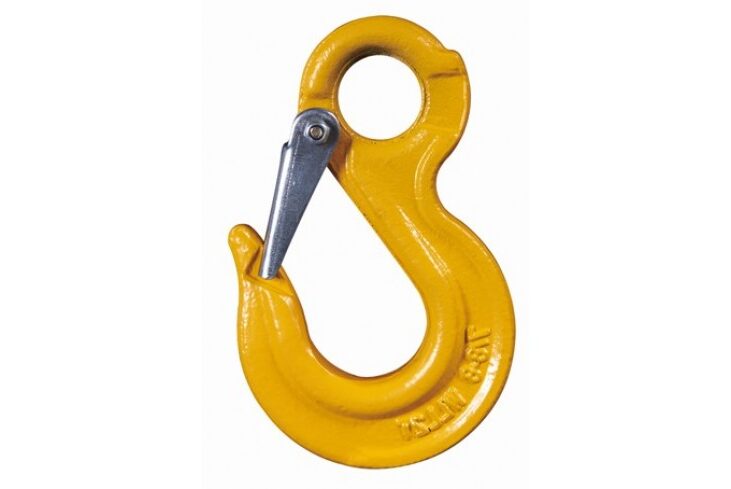
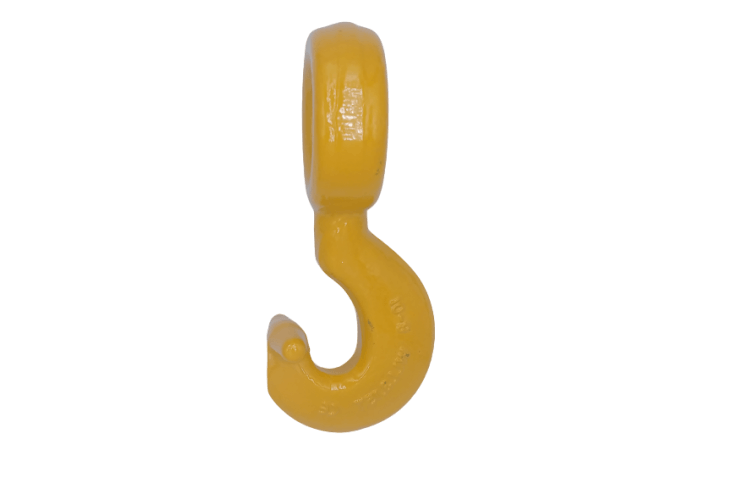
  • Eye hooks connect to a sling, shackle or master link through the eye.
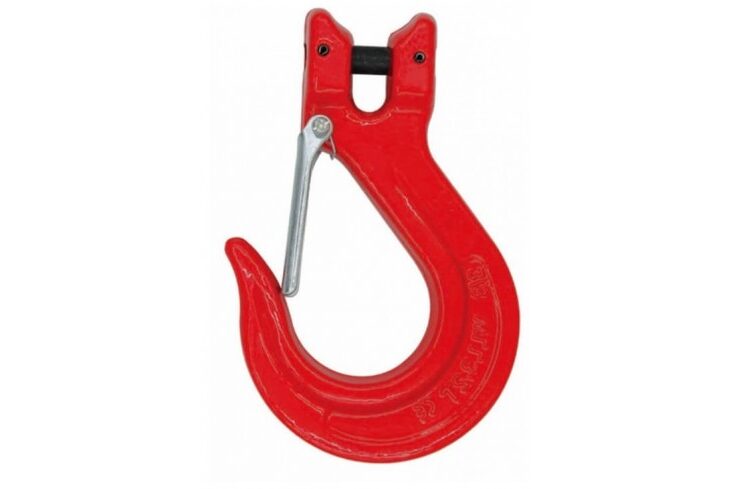
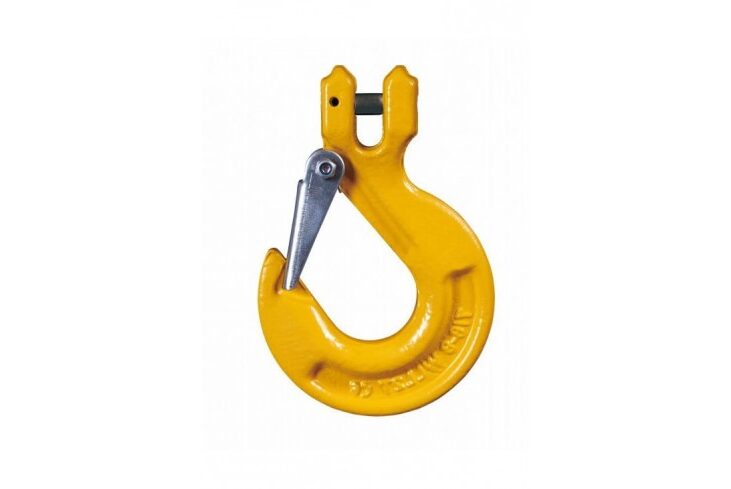
  • Clevis hooks connect directly to chain with a pin and are common in chain sling assemblies.
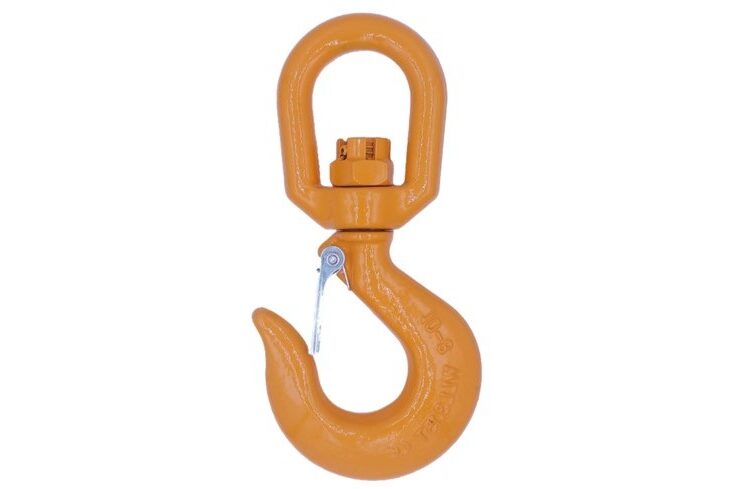
  • Swivel hooks rotate to help align the load and reduce twisting of the sling.
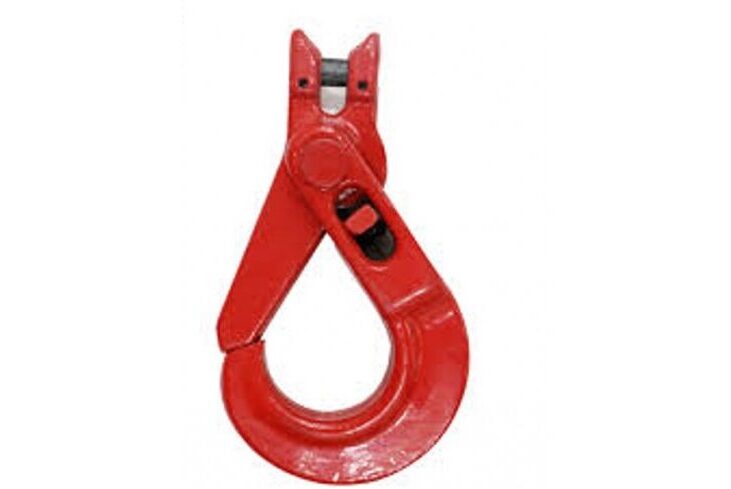
  • Self-locking hooks close and lock automatically when loaded, for extra security against accidental release.
  • Foundry hooks have a wide, deep throat for foundry and ladle work.
  • Sorting hooks are used for handling plates, pipes and long loads.
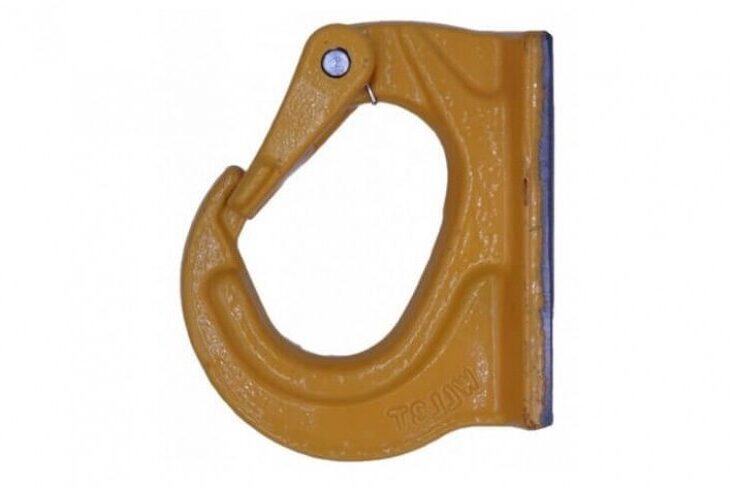
  • Weld-on excavator hooks are welded to an excavator bucket to create a lifting point. Always follow the manufacturer’s welding instructions.

What Does G80 Mean?

G80 refers to Grade 80 alloy steel, a common grade for chain slings and fittings. In a chain sling assembly, the hooks, links and chain should be of a matching grade.

How to Choose and Inspect a Lifting Hook

  • Choose a hook with a Working Load Limit (WLL) at or above the load.
  • Use a hook with a safety latch or a self-locking hook wherever the sling could slip out.
  • Replace any hook that shows a widened throat opening, twisting, cracks or heavy wear.

For more detail, read our guide to lifting hook safety, types and markings.

In Singapore, lifting gear and lifting appliances must be examined periodically by a MOM-registered Authorised Examiner. C&C can also arrange load testing and inspection.

Frequently Asked Questions

What is a self-locking lifting hook?

A self-locking hook closes and locks automatically when it takes the load, so the sling cannot come out unless the hook is unloaded and released.

What is the difference between an eye hook and a clevis hook?

An eye hook connects through a closed eye, usually with a shackle or master link, while a clevis hook connects directly to chain with a pin.

Do all lifting hooks need a safety latch?

Most sling hooks are fitted with a latch to stop the sling slipping out. Some special hooks, such as certain foundry hooks, are designed for use without one.

When should a lifting hook be replaced?

Replace a hook if the throat opening has widened, the hook is twisted or cracked, or wear exceeds the manufacturer’s limits.