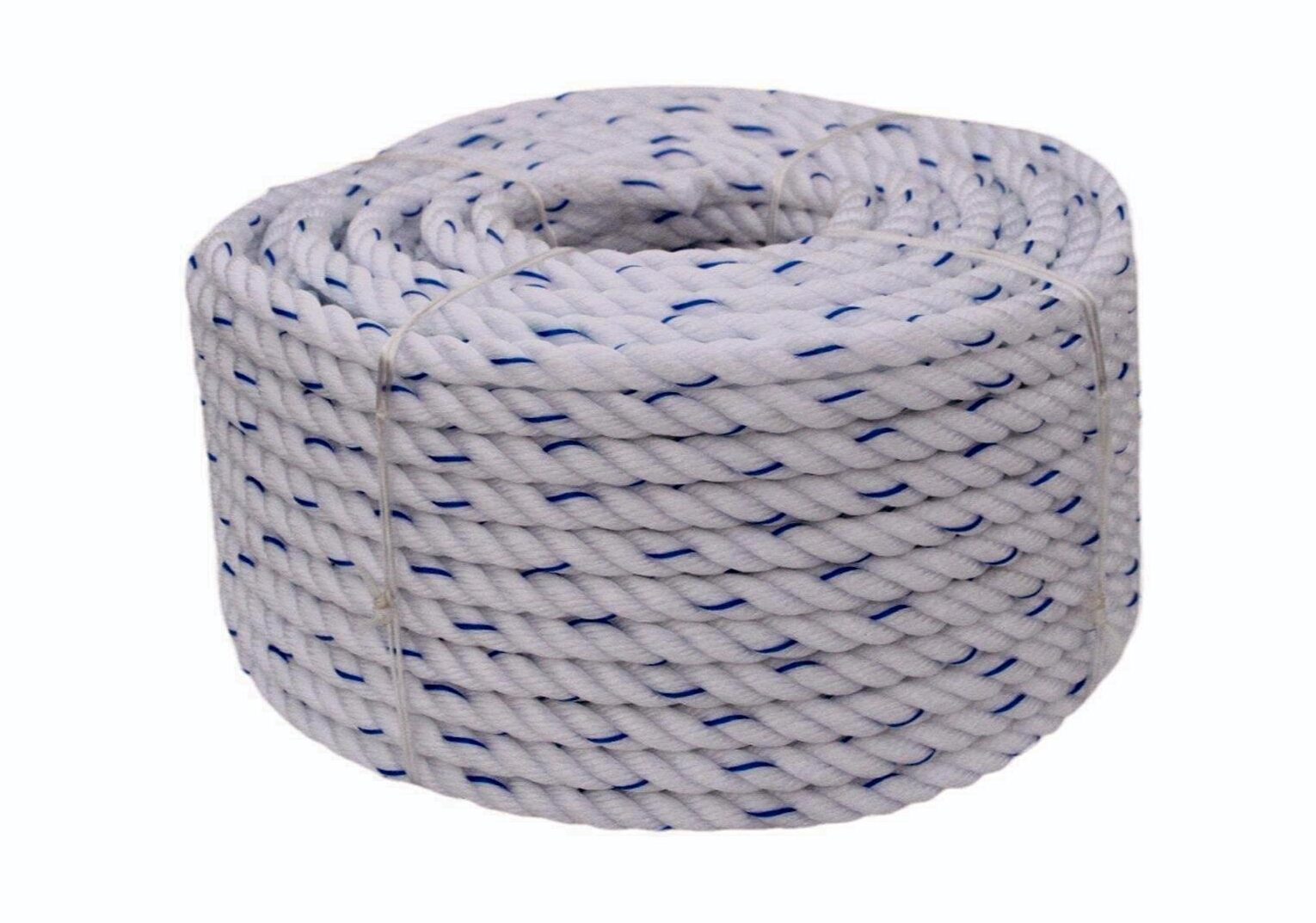
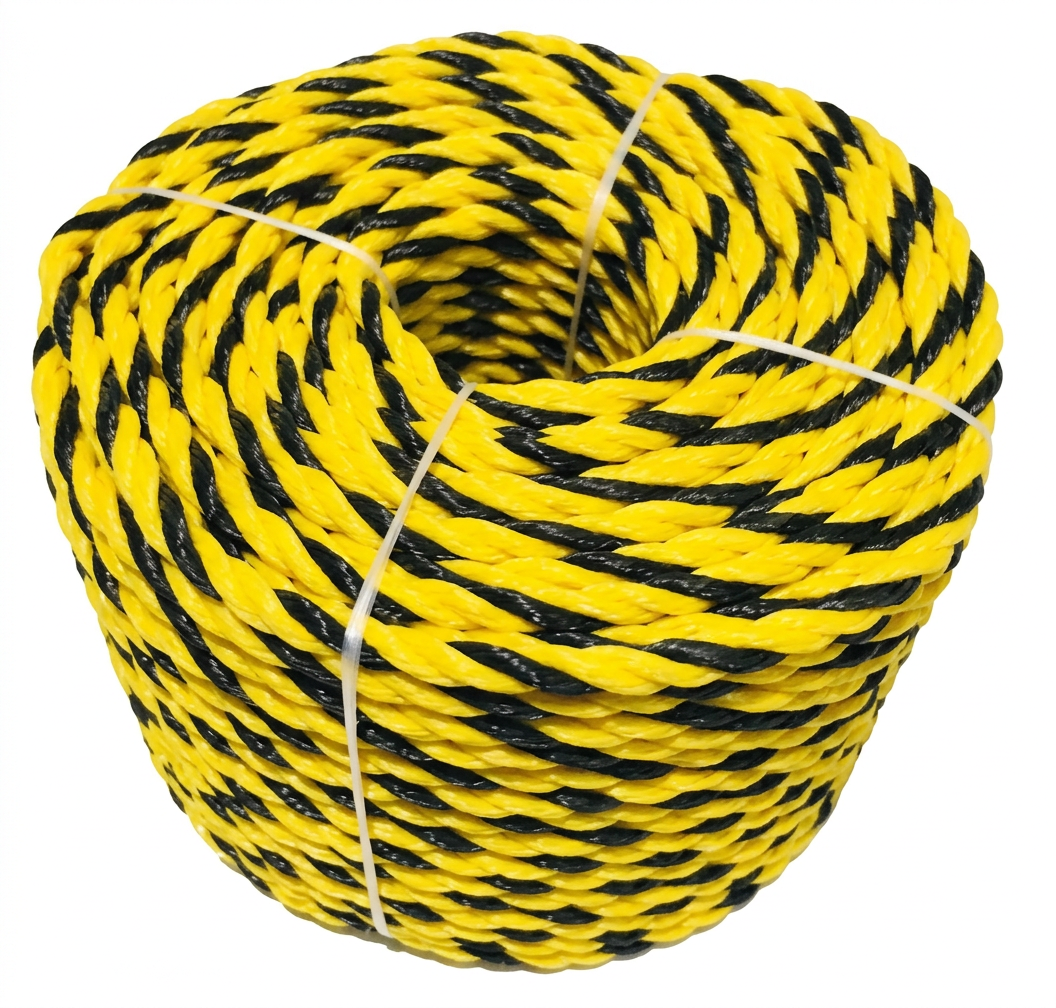
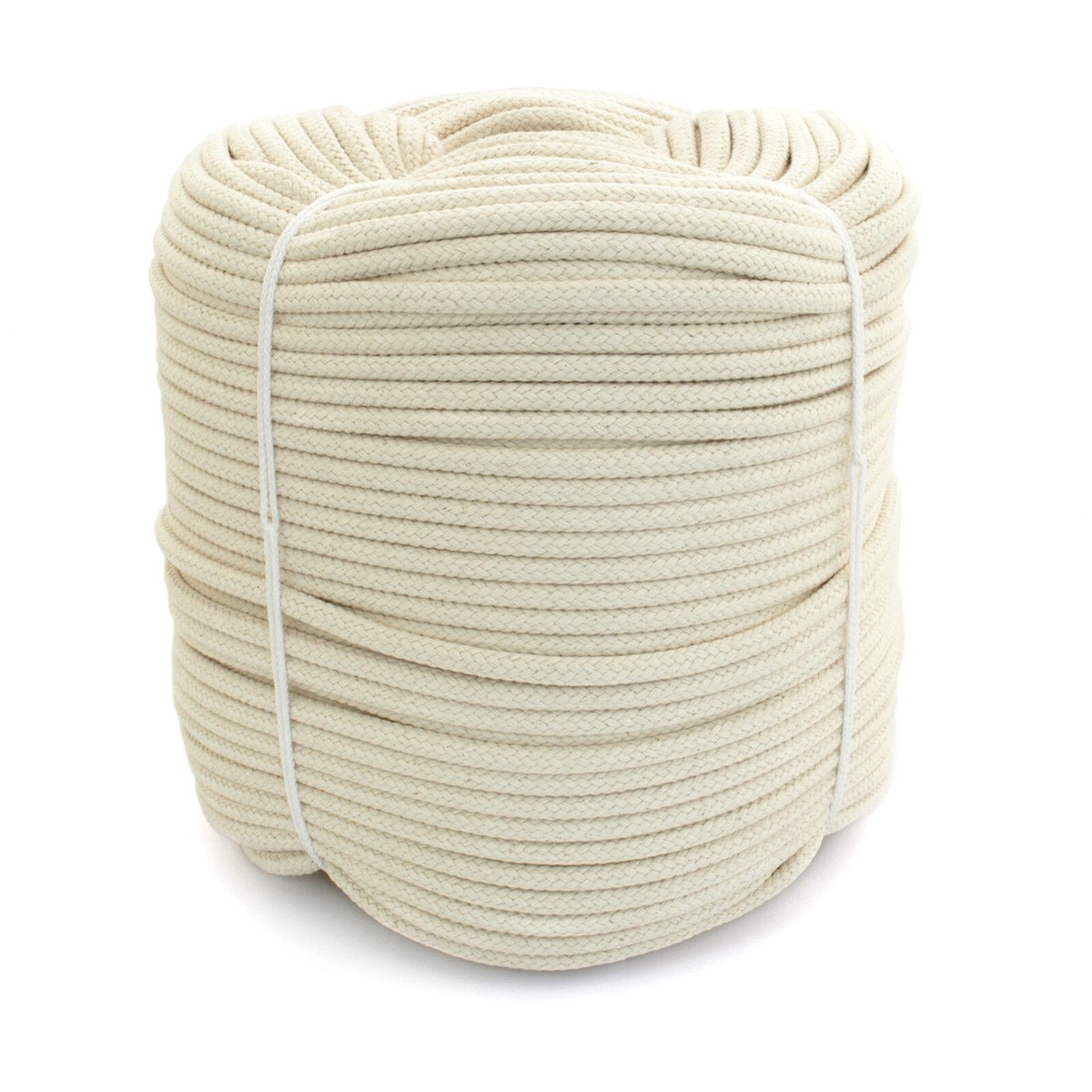
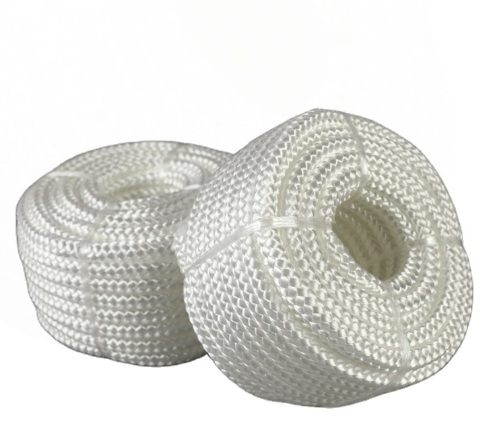
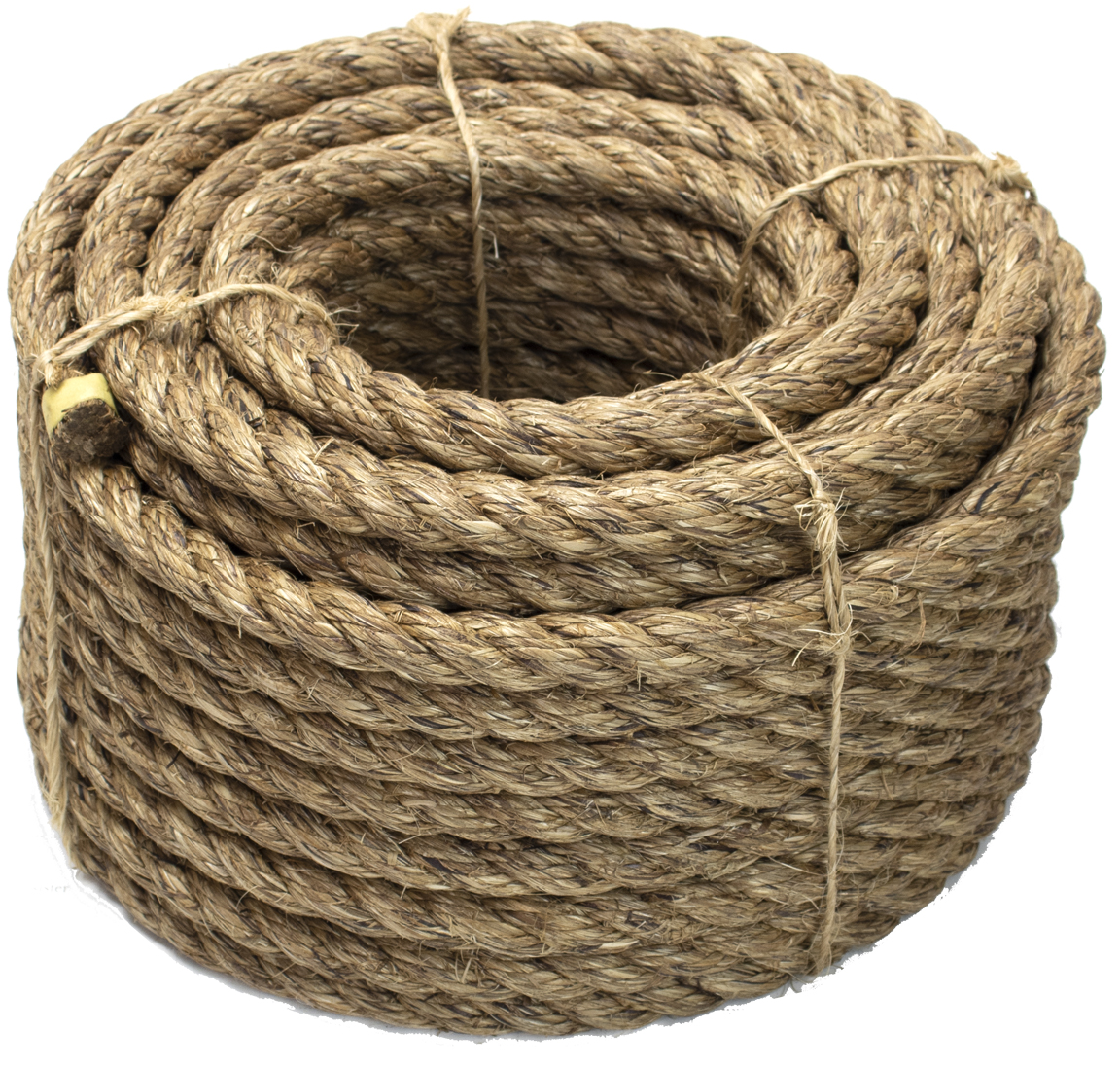
C&C supplies fibre ropes in Singapore, including 3-strand manila rope, tiger rope, polypropylene (PP) rope, PP multifilament–nylon rope and braided cotton rope for marine, construction and general use.
3-strand rope is easy to splice and inspect. Braided (16-strand) rope has a smoother surface, handles more easily and is less prone to kinking.
Consider the working load, exposure to water and sunlight, how the rope will be handled, and whether it will be knotted or spliced, since knots reduce rope strength. For a closer comparison, read our guide to manila rope vs polypropylene or tiger rope.
Manila is a natural fibre rope with good grip but lower strength and poor rot resistance. Polypropylene is a lighter synthetic rope that floats and resists rot.
Tiger rope is a 3-strand synthetic rope named after its black-and-yellow stripes, commonly used on worksites and boats.
Yes. Polypropylene is lighter than water, so polypropylene rope floats.
General-purpose fibre rope should not be used for overhead lifting. Use rated lifting slings with a marked working load instead.