In Singapore’s ports, shipyards, and offshore terminals, mooring ropes are not just selected based on specification – they are selected based on how they perform under real conditions. Failures rarely happen because the rope is “too weak”. They happen because the wrong material is used for the environment, or because load behaviour is not properly understood.
At C & C International Trading Pte Ltd, mooring solutions are approached based on application, not catalogue selection. Choosing the right rope is about understanding how it behaves under load, exposure, and repeated use.
Where Mooring Rope Failures Actually Begin
Most operators focus on strength rating. In practice, that is not where failures begin.
Failures typically come from:
- Material mismatch with environment
- Poor resistance to abrasion or UV
- Incorrect assumptions about load and stretch
A rope can meet its rated strength and still fail prematurely because it is not suited to how it is being used. In many cases, mooring ropes fail prematurely not because of strength, but because the material is not suited to the operating environment.
Mooring Ropes Work Under Dynamic Load – Not Static Conditions
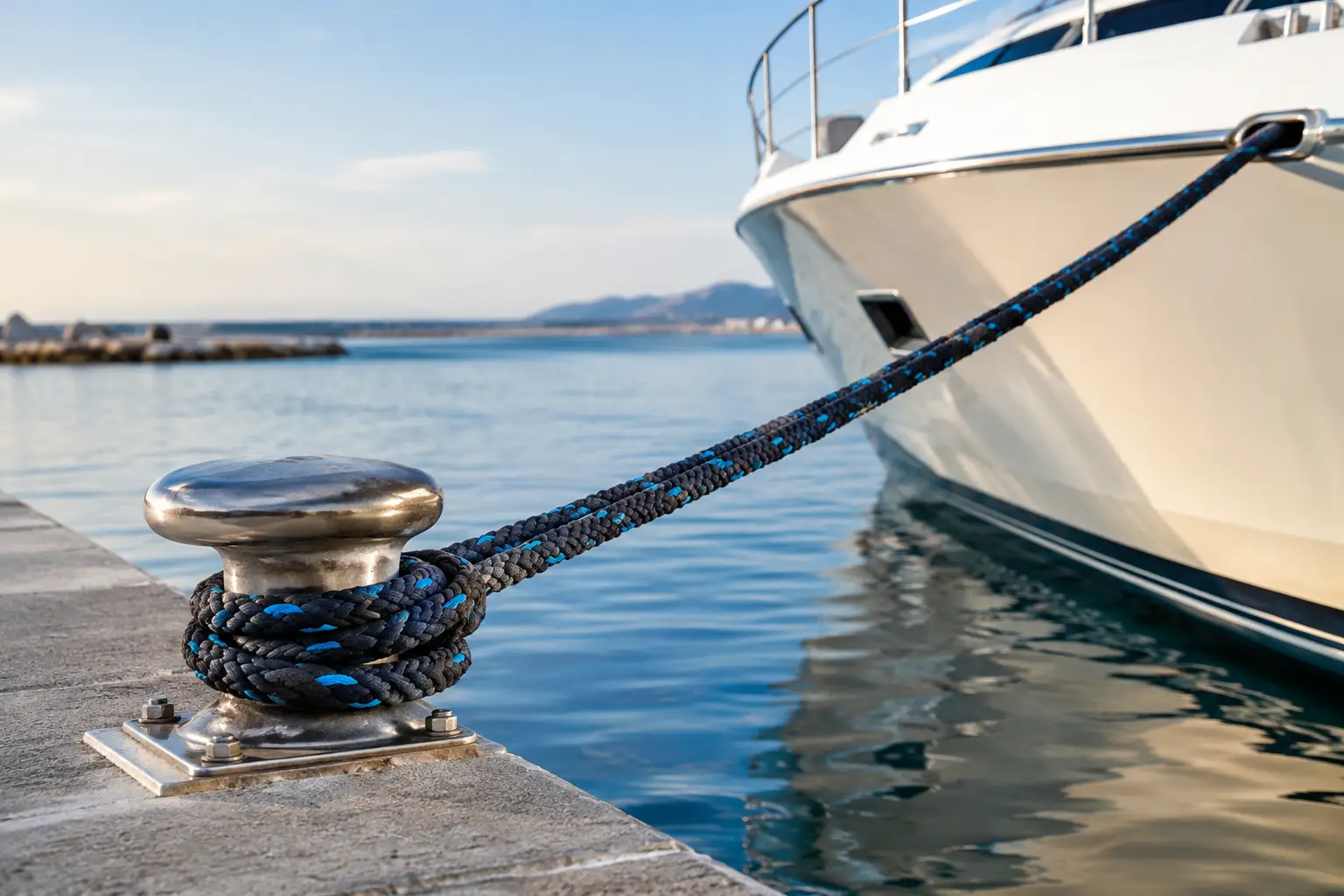
Mooring ropes are often treated as static restraints. In reality, they operate under continuous dynamic loading.
Load Movement and Shock Forces
Vessels are never fully stationary. Wind, tide, and passing traffic introduce constant movement. This creates cyclic loading and shock forces that are not reflected in static load ratings.
A rope that performs well under static conditions may degrade quickly under repeated dynamic stress.
Environmental Exposure Is a Primary Failure Driver
In Singapore’s climate, exposure is constant:
- Saltwater accelerates material degradation
- UV weakens synthetic fibres
- Heat and humidity affect flexibility and lifespan
Material selection must account for long-term exposure, not just initial strength.
Material Selection Is Where Most Mistakes Happen
Choosing the wrong material is one of the most common causes of premature rope failure.
Polypropylene Rope – Easy Handling, Limited Durability
Polypropylene rope is widely used because it is lightweight and floats. This makes it easy to handle, particularly in temporary or low-load applications.
However, it has clear limitations:
- Lower abrasion resistance
- Reduced durability under continuous load
- Performance drops in long-term marine exposure
It is suitable for short-term or controlled applications, but not for heavy-duty or high-cycle use.
Manila Rope – Traditional but Operationally Limited
Manila rope offers good grip and has been used historically in marine environments. In modern operations, its limitations are significant:
- Absorbs water easily
- Degrades in humid and saltwater conditions
- Lower overall strength
It is generally unsuitable for demanding or long-term mooring applications.
Tiger Rope – Balanced Performance for Marine Use
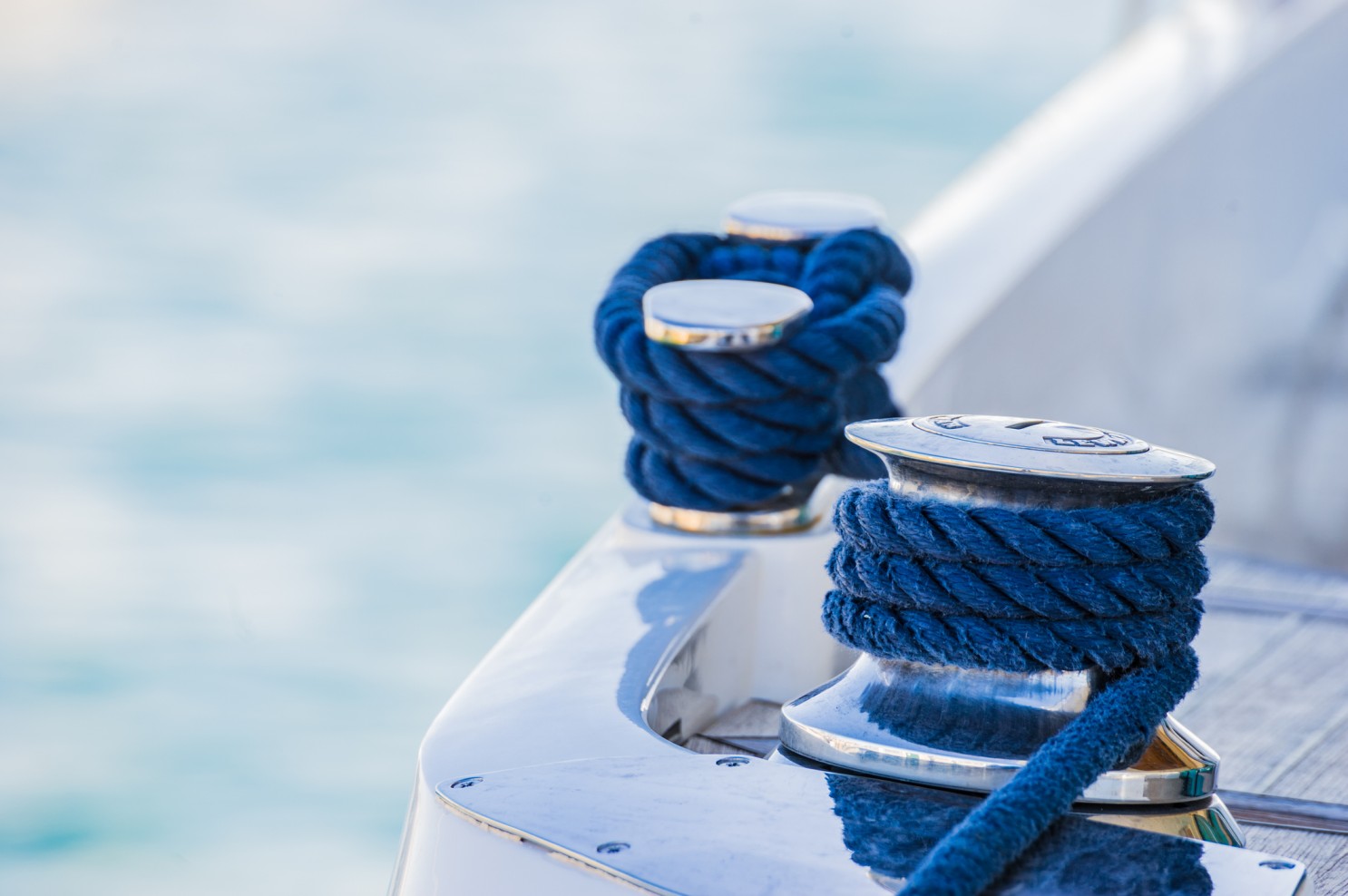
Tiger rope provides a balance between strength, flexibility, and abrasion resistance. It is commonly used in general marine operations where conditions are variable.
For operators managing both handling ease and durability, tiger rope offers a practical middle-ground solution.
Stainless Steel Wire Rope – High Strength, High Responsibility
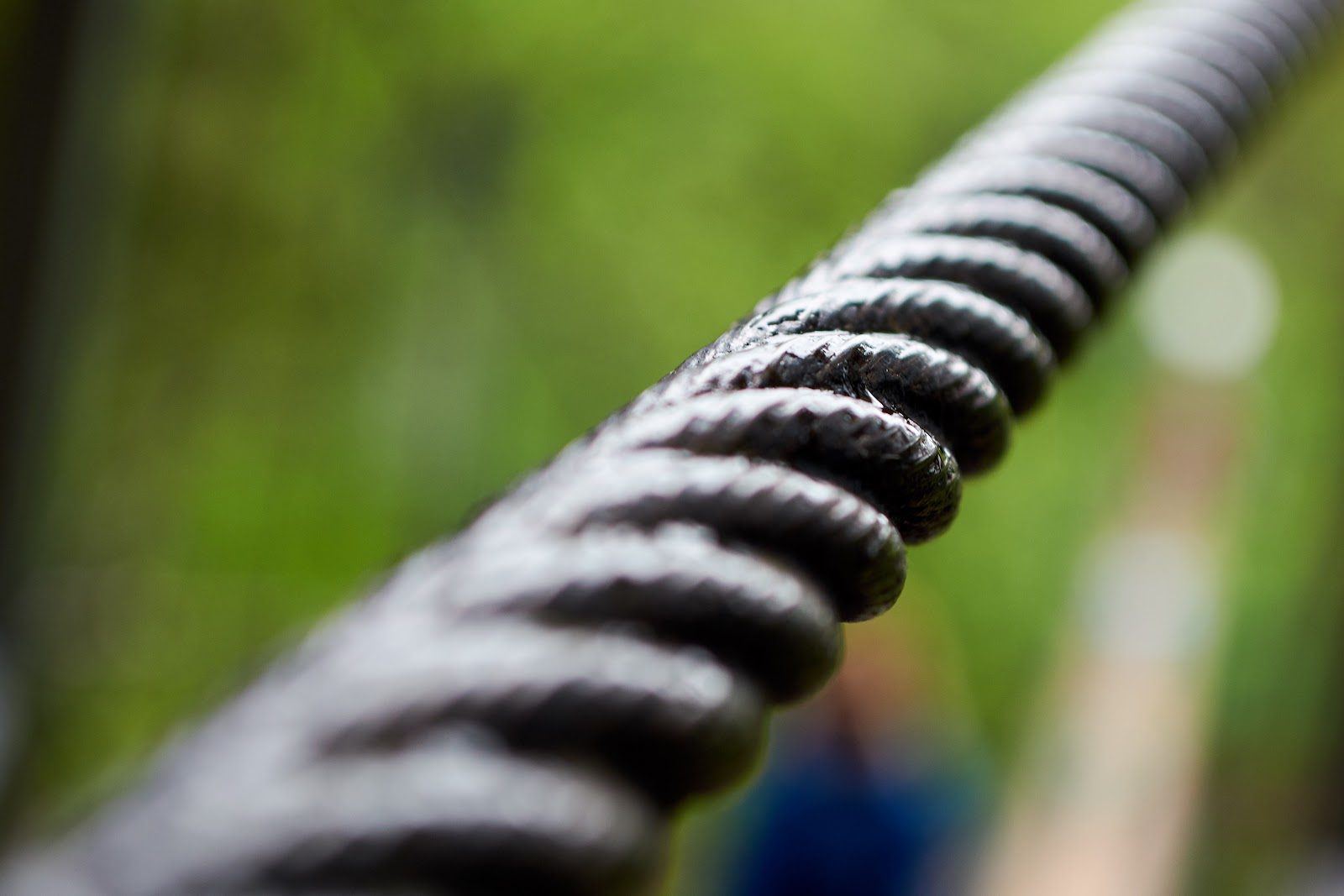
Stainless steel wire rope is used where load requirements are high and long-term reliability is critical.
However, higher strength does not mean lower risk.
Wire rope:
- Has minimal elasticity
- Transfers shock loads directly
- Requires proper handling and system compatibility
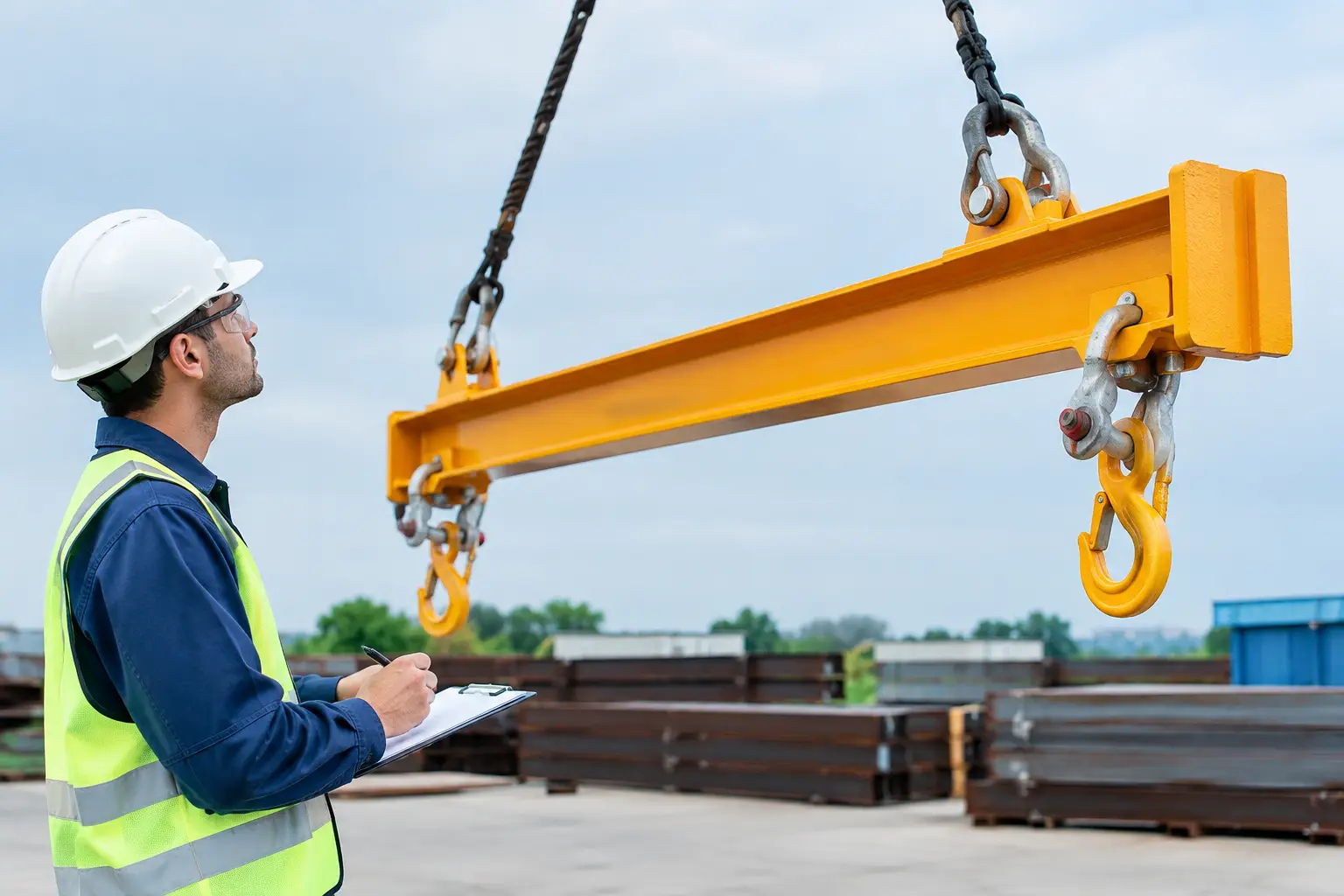
For operators sourcing wire rope Singapore solutions, selection must consider how the rope interacts with the entire mooring or lifting system. Misuse introduces different failure risks rather than eliminating them.
For a deeper understanding of load behaviour and system interaction, refer to this wire rope sling safety guide.
Wire Rope vs Synthetic Ropes – A Practical Decision
The choice is not about which material is “better”. It is about which material fits the application.
- Synthetic ropes (e.g. polypropylene rope, tiger rope)
→ Better handling, more flexibility - Wire rope
→ Higher strength, less tolerance for error
The trade-off is clear: flexibility reduces shock loading, while rigidity increases control but also risk under dynamic conditions.
Mooring Rope Selection Based on Vessel Type
Different vessels create different loading conditions. Using the same rope across all applications introduces risk.
Cargo and Container Vessels
Require:
- High strength
- High durability
- Resistance to repeated loading cycles
Tugboats and Harbour Crafts
Require:
- Flexibility
- Ease of handling
- Fast adjustment during operations
Offshore Installations
Operate under:
- Constant tension
- Harsh environmental exposure
Material selection must prioritise long-term performance, not just immediate strength.
Inspection Is Often the Only Warning Before Failure
Most mooring rope failures do not happen without warning. The issue is that these warnings are often missed or ignored.
What to Check
- Surface wear and abrasion
- Loss of flexibility
- Reduction in diameter
- Fibre breakdown
These are indicators of internal degradation, not just surface damage.
When Replacement Is Not Optional
Once structural integrity is compromised, continued use increases the likelihood of sudden failure.
In operational terms, delaying replacement is not cost-saving – it is risk accumulation.
Supplier Selection Affects Long-Term Performance
Mooring rope performance is not just about product specification. It is influenced by how well the rope matches the application.
Supplier selection should be treated as a technical decision.
A reliable supplier should provide:
- Correct material recommendations
- Application-specific advice
- Consistent product quality
At C&C International Trading, solutions are based on real operating conditions across marine and industrial environments, not just standard product listings.
Choosing the Right Mooring Rope Is About Fit, Not Strength
Selecting mooring ropes based purely on strength leads to incorrect decisions. The right mooring ropes are those matched to load behaviour, environment, and operational use.
The correct approach considers:
- Load behaviour
- Environmental exposure
- Handling requirements
- Lifecycle performance
When these factors are aligned, mooring systems become more predictable, more durable, and significantly safer in real operating conditions.
Where vessel requirements vary, selection should not be based on general specifications alone. For application-specific advice, you can refer to the Contact Us page to ensure the correct mooring rope is matched to your operating conditions.