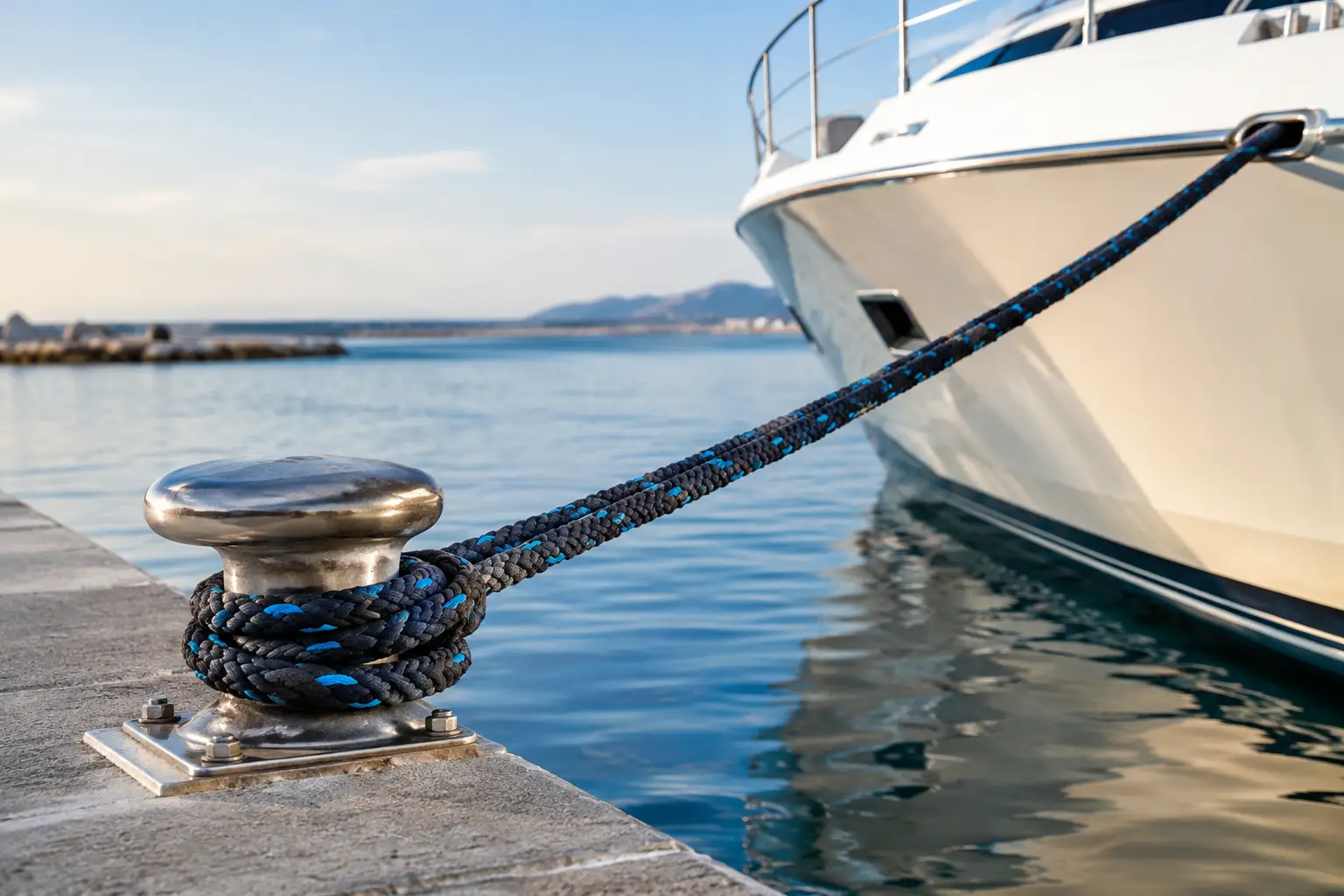
A mooring arrangement can look serviceable right up to the point when a degraded line, mismatched fitting, or poorly documented replacement creates a serious exposure at the berth. This vessel mooring upgrade example shows how an operator can turn recurring inspection findings into a controlled replacement scope that supports safe vessel operations, traceability, and practical onboard execution.
The example is based on a common operating condition: a trading vessel with mixed-age mooring lines, visible wear at fairlead contact points, and incomplete records for several rope replacements completed during port calls. The objective is not simply to buy new rope. It is to restore the complete mooring system to a defined standard, confirm compatibility across the line and hardware, and leave the vessel with records the crew and superintendent can use.
Vessel Mooring Upgrade Example: The Starting Condition
The vessel operates on a regular regional route with frequent berthing, tidal variation, and occasional strong crosswinds. During a planned inspection, the chief officer identifies external abrasion, localized flattening, and broken wires on selected steel wire mooring ropes. Several rope tails have also been replaced at different times, leaving inconsistent lengths and end terminations across the mooring stations.
The condition of the ropes is only part of the issue. Fairleads show groove wear, one roller does not rotate freely, and the available certificates do not clearly match every line currently in service. The vessel can still berth, but the operating margin is becoming difficult to defend. A line failure during a surge condition would threaten personnel, the vessel, and terminal operations.
A proper upgrade begins with facts gathered onboard. The technical team records each line position, construction, diameter, nominal breaking load, actual length, eye configuration, termination method, date placed in service, and visible condition. Fairleads, rollers, bitts, chocks, winch drums, and brake arrangements are inspected at the same time. Replacing rope without checking its running path can transfer the problem to the new equipment.
Define the Upgrade Scope Before Specifying Rope
The superintendent, vessel operator, and technical supplier agree on the working scope. In this example, the vessel will replace six steel wire mooring lines and standardize the configuration at the forward and aft stations. Two lines that remain within the operator’s inspection criteria are retained temporarily, but they are marked for close monitoring and scheduled replacement at the next maintenance window.
The new lines must suit the vessel’s approved mooring arrangement and winch capacity. Selection is based on the required strength, rope construction, fatigue performance, drum compatibility, environmental exposure, handling requirements, and the vessel’s mooring line management procedures. A higher nominal breaking load is not automatically the correct answer. If rope strength, winch brake holding capacity, and vessel design assumptions are not considered together, the system can become unbalanced.
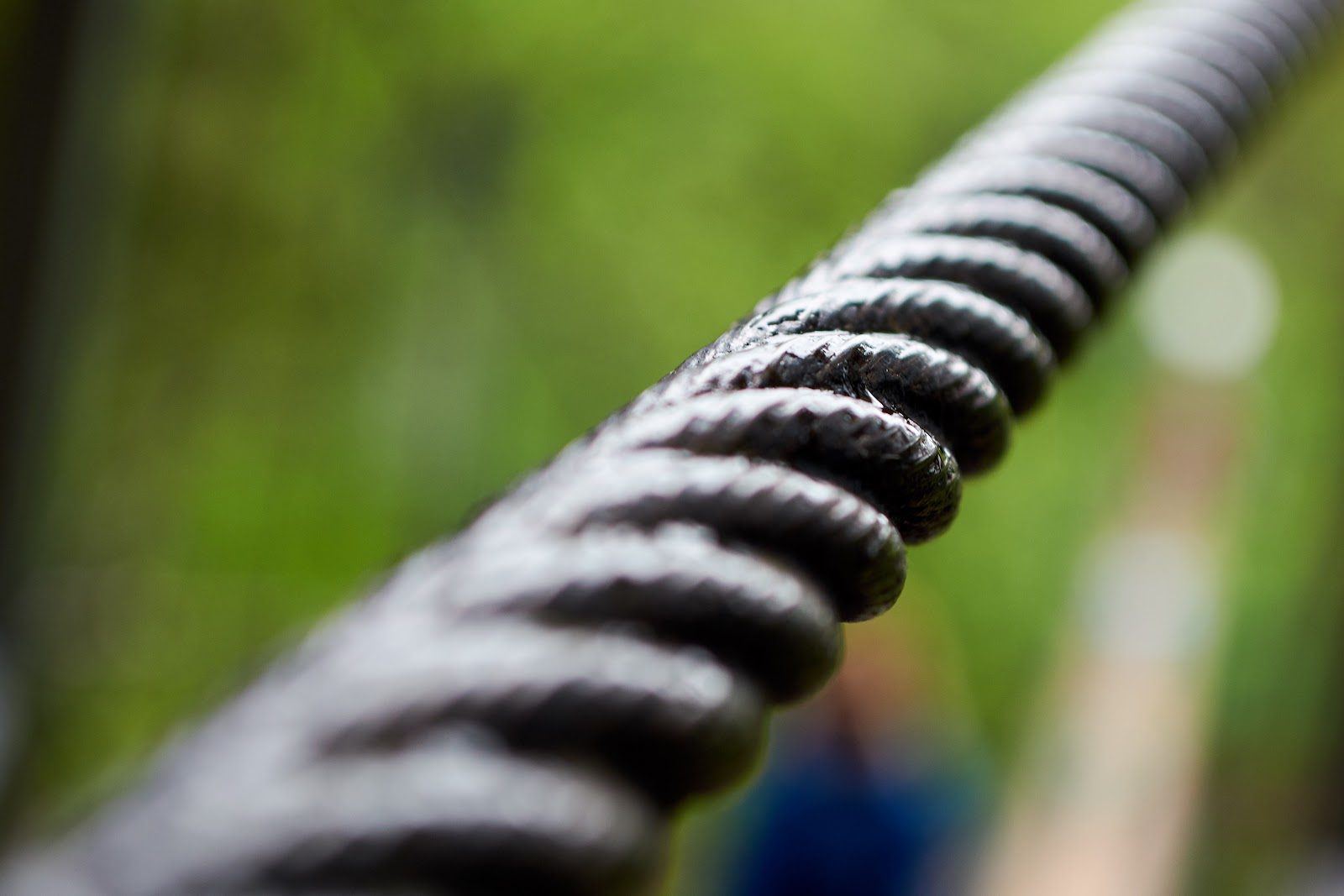
For this vessel, the selected configuration is galvanized steel wire rope manufactured for marine mooring service, supplied in the specified diameter and construction with mechanically swaged eyes. The eye sizes are matched to the bitts and connection hardware, with protective thimbles where required. Each rope is cut and swaged to spec, rather than supplied as a generic coil for shipboard modification.
This approach gives the operator consistent rope lengths, repeatable end terminations, and a clear certificate trail for each line. It also reduces the risk of field improvisation when the vessel is working to a short port-call schedule.
Check the Interfaces That Cause Premature Wear
A line is only as dependable as the equipment it passes through and connects to. Before installation, the inspection team identifies the causes of the existing abrasion. One fairlead requires resurfacing due to sharp contact edges, while a seized roller is replaced. The crew also checks the winch drum for corrosion, uneven spooling, and damage that could pinch or crush the new wire rope.
At the connection points, the vessel standardizes shackles and other fittings by correct size, working load limit, pin condition, and certification status. Hardware is selected for the intended connection geometry, not only for capacity. A shackle that is strong enough on paper can still introduce side loading or poor seating if its bow, pin diameter, or orientation does not suit the eye and attachment point.
Where rope tails are used, their condition and compatibility are reviewed separately. Synthetic tails need suitable protection from chafe, contamination, heat, and ultraviolet exposure. They also require their own identification and inspection controls. Mixing components from different sources without confirming their specifications can make later inspections difficult and complicate any incident review.
Processing, Testing, and Documentation
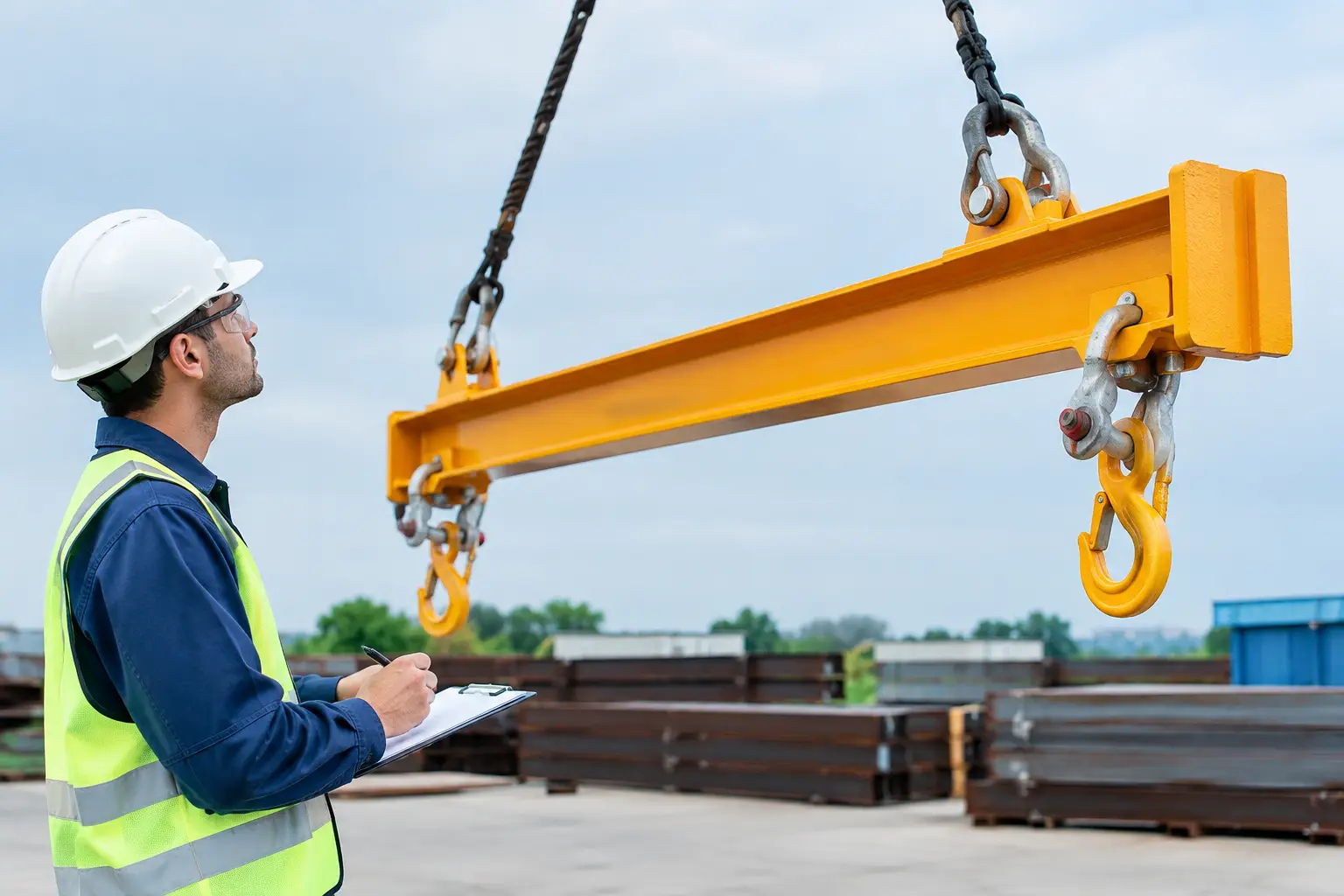
For a safety-critical mooring replacement, the deliverable should be more than the rope itself. Each wire rope is supplied with identification that can be linked to its manufacturer certificate, processing record, and load-test documentation where specified. The records should clearly state rope diameter, construction, grade, minimum breaking force, finished length, termination details, test information, and unique identification number.
In this example, the rope assemblies are processed under controlled conditions. Cutting prevents strand disturbance, while swaging is completed using the correct ferrules and dies for the specified rope and termination design. The finished eyes are measured and visually inspected before testing. Load testing verifies the completed assembly has been manufactured correctly, but it does not replace selection of the correct rope or ongoing inspection in service.
The documentation package is prepared for both vessel and shore-side use. It includes material certificates, test certificates, assembly details, inspection records, and a line register showing where each new rope is installed. Where project or owner requirements call for it, PE-endorsed documentation can provide an additional level of formal review.
This level of recordkeeping matters when crews change, when a vessel moves between managers, or when a port, charterer, insurer, or internal audit asks for proof of equipment status. A certificate filed without a line number or installation location has limited value. The document must connect to the actual item on deck.
Installation During a Controlled Port Call
The installation is planned around a port call with sufficient time for safe deck work. The vessel does not attempt to change multiple lines while managing cargo operations, pilotage, bunkering, and active mooring movements at the same time. The master and chief officer establish the work sequence, exclusion zones, communications protocol, and weather limits before the job starts.
The old rope is removed in a controlled manner, with the drum condition checked as it is stripped down. The new rope is reeved through the inspected fairlead and onto the winch drum according to the manufacturer’s recommended spooling direction and number of wraps. Correct first-layer spooling is particularly important. Poorly laid wire rope can develop crushing, uneven loading, and early damage even when the rope itself is correctly specified.
Once installed, each line is tagged, entered into the vessel register, and checked for clear travel through its working range. The crew verifies that eyes, thimbles, shackles, and rope tails sit correctly under light tension. A final toolbox talk covers snap-back awareness, line handling, inspection points, and the need to report unusual noise, birdcaging, flattening, or abrasion immediately.
C&C International can support this type of scope with marine mooring rope supply, wire-rope cutting and swaging, certified load testing, full documentation, and onsite rigging support where required. Combining these activities under one accountable technical supplier helps reduce handover gaps between specification, processing, delivery, and installation.
What Changed After the Upgrade
The immediate result is a standardized set of traceable mooring lines at the highest-use stations. More importantly, the operator has corrected the physical conditions that were damaging the previous ropes. The fairlead and roller repairs protect the replacement lines, while consistent lengths and terminations improve handling predictability for the deck crew.
The upgrade also establishes a better maintenance baseline. Future inspections can compare each rope against its installation date, operating history, and previous findings. The vessel can plan replacement based on actual condition and documented service exposure rather than waiting for an urgent defect at an inconvenient port.
Not every vessel needs a full mooring-system renewal. Sometimes the right decision is to replace a limited number of lines, rectify worn deck hardware, and introduce tighter documentation controls. The decision depends on inspection results, vessel design, operating profile, line age, and the condition of associated equipment. The useful outcome is a mooring arrangement that has been assessed as a system, then returned to service with clear accountability for what was installed and why.