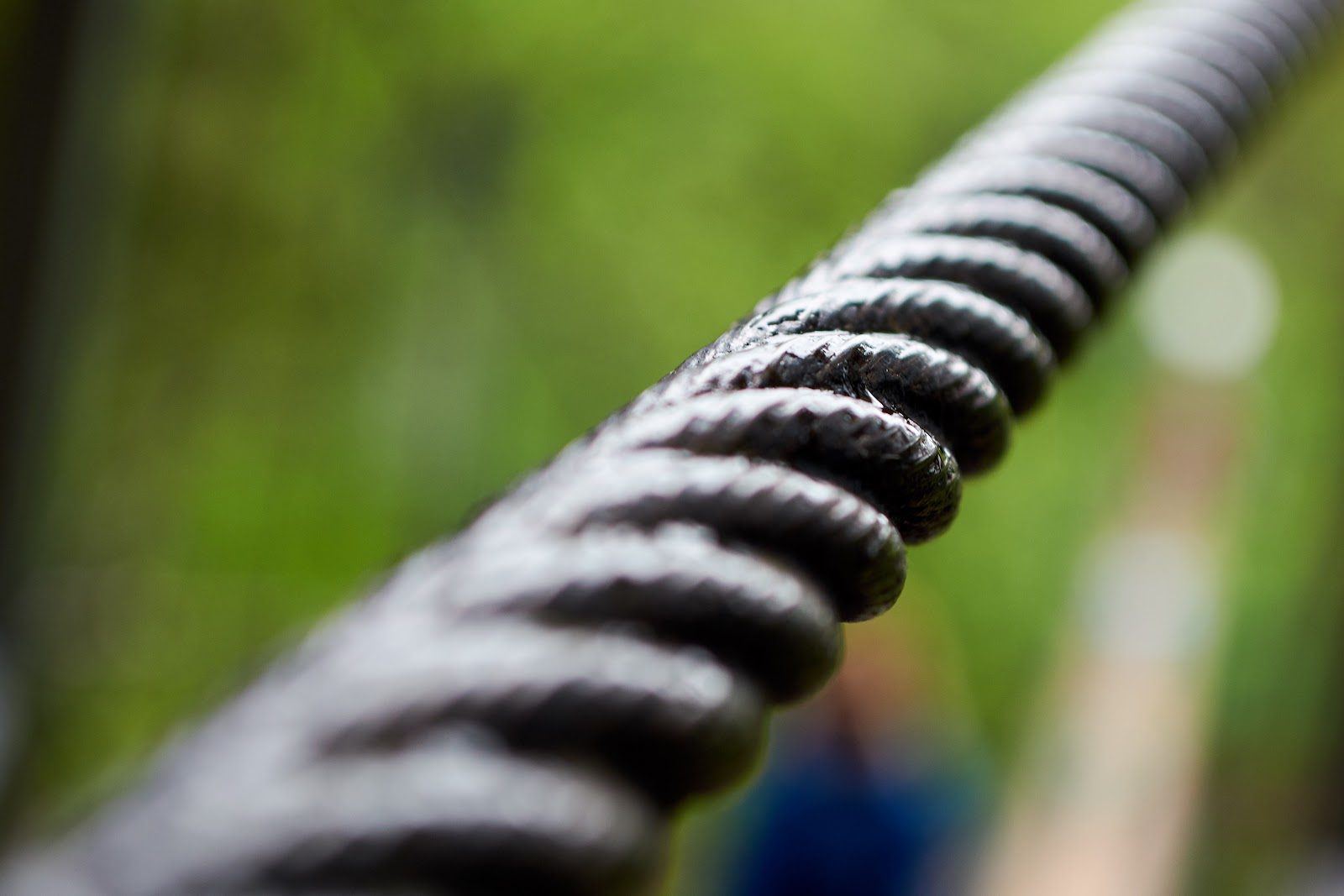
A mooring tail can look like a simple short length of rope between the line and the shipboard fitting. In service, it is an engineered energy-management component. This mooring tail selection guide focuses on the decisions that affect line behavior, crew safety, inspection control, and dependable berthing performance.
A tail that is incompatible with the primary mooring line can alter the stiffness of the whole system, concentrate load in particular lines, and reduce the predictability of line behavior during surge, swell, passing traffic, or changing tide. Selection should therefore be made against the vessel’s approved mooring arrangement, line-maker guidance, and operating profile – not by diameter or breaking strength alone.
Start with the mooring system, not the tail
The first question is what the tail must work with. Identify the primary line material, its minimum breaking load, its elongation characteristics, its construction, and its approved termination arrangement. A tail used with a steel wire mooring line will have a different role from one paired with polyester, nylon, blended synthetic, or high-modulus synthetic lines.
The tail and main line act as one load path. A tail with too little elongation may transfer shock load into the line, fittings, and ship structure. A tail with excessive elongation may allow unwanted vessel movement and make line tension harder to manage. The correct balance depends on the berth exposure, vessel type, line layout, winch performance, and the tension-management practices used by the crew.
Do not assume that a stronger tail is automatically safer. Minimum breaking load, elongation at stated load, diameter, and construction all need to be considered together. The approved mooring equipment plan and the line manufacturer’s data should set the acceptance criteria.
Mooring tail selection guide: the key technical checks
Strength must be matched to the designed system
Use certified breaking strength data and confirm how the tail’s minimum breaking load relates to the main line and the vessel’s mooring design basis. The objective is controlled, known performance throughout the system, not selecting the largest available tail.
A mismatch can create an unintended weak point or move the highest load concentration elsewhere. This matters particularly where lines have been replaced at different times, where multiple rope types are in use, or where a vessel has been modified from its original mooring configuration.
Procurement teams should request traceable documentation for every tail, including material specification, construction, minimum breaking load, serial identification where applicable, test records, and certification required by the operator or class-related procedures. Records must be retained with the vessel’s rope management documentation rather than filed only with the purchase order.
Elongation is the tail’s working function
Mooring tails are commonly selected to provide controlled stretch and reduce peak loading caused by dynamic vessel movement. Polyester is widely used where consistent handling, good resistance to wet conditions, and controlled elongation are required. However, material selection should not be reduced to a generic rule. The required elongation behavior depends on the primary rope and operational conditions.
Ask for elongation values at defined percentages of minimum breaking load, not broad descriptions such as “high stretch” or “low stretch.” Two tails of similar diameter can behave very differently under load because of fiber type, rope construction, finishing, and splice design.
For vessels operating at exposed berths, terminals with strong current, or locations affected by regular vessel wash, the system may need greater capacity to manage cyclic movement. At sheltered berths, excessive stretch can create its own operational issue by allowing more surge before the lines stabilize. The answer is application-specific.
Construction affects handling and durability
A tail must be practical for deck crews to handle, connect, inspect, and stow. Construction influences abrasion resistance, flexibility, fatigue performance, and how readily the tail can be examined for damage.
The connection arrangement also deserves close attention. Tails may be supplied with purpose-designed eyes, thimbles, protected splices, or other specified end configurations. The eye size, protection, and interface with connecting hardware must suit the actual onboard fitting. A poorly matched eye can suffer localized wear, poor seating, or damage during line movement.
Where a chafe sleeve or protective cover is required, specify its location and purpose. Protection at a known contact point can extend service life. Covering the entire tail without considering inspection access, heat buildup, or water retention may make condition assessment more difficult.
Check environmental and berth conditions
Tail selection should reflect where and how the vessel operates. UV exposure, saltwater, sand contamination, chemical contact, hot surfaces, sharp edges, and repeated abrasion can all reduce usable life. A tail that performs well in controlled harbor use may not be suitable for offshore support work or a berth with persistent line contact at a rough fairlead.
Review the vessel’s history. If tails are repeatedly damaged in the same area, replacement alone is not a corrective action. Inspect fairleads, chocks, rollers, bollards, connecting links, and storage arrangements for burrs, corrosion, misalignment, or poor lead angles. The root cause may be equipment condition or line routing rather than the tail specification.
Specify the connection and installation details
A technically correct tail can still underperform when supplied with the wrong connection details. Confirm the required length, eye dimensions, splice type, chafe protection, identification marking, and any hardware interface before fabrication begins.
Length should be controlled to the vessel’s approved arrangement. Changing it without engineering review changes the elastic behavior of the mooring line assembly. It can also affect how the tail sits on a winch drum, how it reaches the designated connection point, and whether crews can maintain the intended lead.
If the tail is connected to wire rope, inspect the complete termination system. Wire sockets, thimbles, shackles, joining links, and other components must be compatible in capacity and geometry. Avoid side loading, pinching, or direct contact between synthetic fibers and sharp metal edges. Hardware markings and certificates should be checked against the required capacity and specification.
For newbuild, retrofit, or fleet-standardization work, provide the supplier with the vessel’s line data and connection drawings. C&C International can support supply configured to specification, with documentation and technical processing aligned to the project requirement. Clear information before production reduces onboard rework and avoids delays at delivery.
Inspection, retirement, and replacement control
Mooring tails need a documented inspection regime. Visual checks before use are essential, but periodic detailed inspections should also assess the full length, eyes, splices, protective sleeves, and contact zones. Dirt and salt deposits can conceal abrasion and fiber damage, so cleaning may be necessary before a meaningful examination.
Remove a tail from service when there is evidence of significant abrasion, melted or glazed fibers, cuts, broken yarns, hardening, chemical attack, splice deterioration, deformation, or overload exposure. Do not rely on an external sleeve to indicate the condition of the rope beneath it. If the internal condition cannot be verified, the tail should be assessed by a competent person under the operator’s procedures.
Retirement criteria should follow the rope manufacturer’s instructions and the vessel’s safety management system. A tail involved in an abnormal loading event deserves specific attention even when visible damage appears limited. Shock loading can cause internal damage that is not obvious during a quick deck inspection.
Maintain replacement discipline. Mixing tail types, lengths, or specifications across one vessel without review can produce inconsistent line behavior. Labeling, serial tracking, issue records, and inspection logs help marine superintendents identify recurring defects and plan replacement before a critical berth call.
Make selection part of mooring risk control
A mooring tail is not an accessory added after the main lines have been selected. It is part of the vessel’s energy-absorption and load-control system. The right choice is based on certified data, compatibility with the primary line, the actual connection arrangement, and the conditions the vessel will face.
Before placing the next order, compare the proposed tail specification against the approved mooring plan and recent inspection findings. That short technical review can prevent a routine replacement from becoming an avoidable weak point during the next demanding berthing operation.