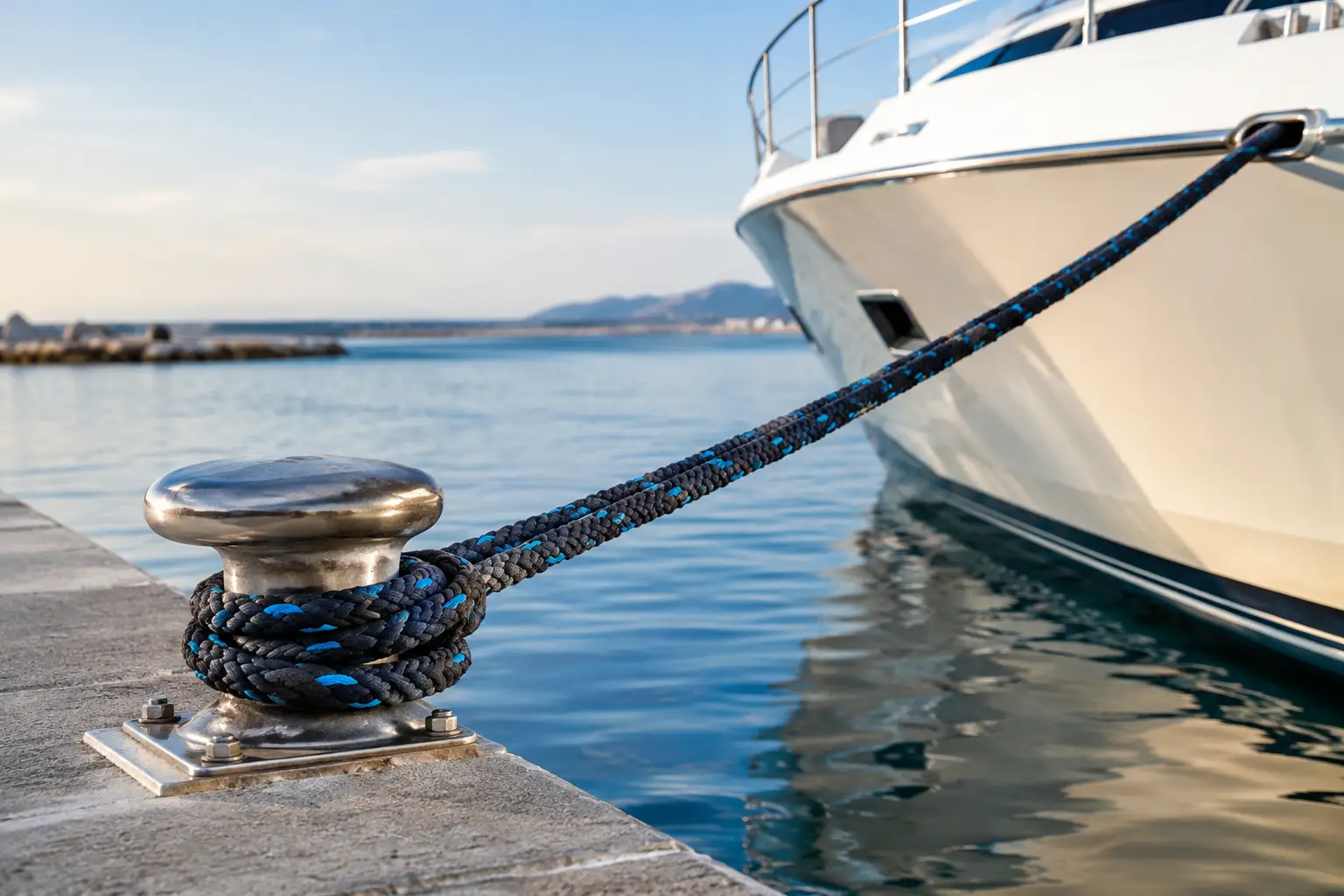
A mooring line rarely fails without giving a warning first. The warning may be glazed fibers near a fairlead, a flattened section where a line has ridden over a drum, corrosion bleeding from a wire rope core, or an eye that no longer holds its intended shape. This marine rope maintenance guide sets out a practical inspection and care routine for vessel crews, marine operators, and project teams responsible for keeping rope systems safe, traceable, and ready for service.
Rope maintenance is not only a housekeeping task. It directly affects line strength, handling behavior, service life, and the ability to make defensible replacement decisions. The right routine depends on rope construction, duty cycle, environmental exposure, and whether the rope is used for mooring, towing, lifting, access, or cargo work.
Start With the Rope’s Actual Duty
Do not apply one inspection standard to every rope on board. A synthetic mooring line working through chocks and rollers sees abrasion, heat, cyclic loading, and contamination. A steel wire rope on a winch or crane faces broken wires, corrosion, crushing, poor spooling, and fatigue. Natural-fiber ropes require particular attention to moisture, mildew, and internal degradation.
Before setting an inspection interval, identify the rope type, diameter, construction, safe working load or minimum breaking load, end termination, and the equipment it runs through. Record its installation date and intended use. A line that is occasionally used as a breast line will not age like a high-cycle tugger line, just as a wire rope on a rarely used davit will not deteriorate at the same rate as a crane hoist rope.
The operating environment matters. Salt spray, tropical heat, UV exposure, abrasive quay structures, chemicals, sand, and prolonged wet storage can shorten rope life quickly. When operating conditions change, the maintenance plan should change with them.
Inspection Before, During, and After Use
A quick visual check before use is necessary, but it is not enough for critical rope systems. Crews should inspect the full accessible length at planned intervals and after any overload, shock loading, snag, contact with chemicals, or abnormal winch event. Rotate the rope where practical to inspect the areas normally hidden on drums, in sheaves, or beneath protective sleeves.
For synthetic ropes, look for abrasion, broken or pulled yarns, cuts, melted or glazed fibers, hard spots, flattening, discoloration, embedded grit, and stiffness that differs from the surrounding rope. Pay close attention to the first few meters from the eye, spliced sections, chafe points, and sections that pass through fairleads. Localized damage can be more serious than its appearance suggests because it may affect a concentrated load-bearing area.
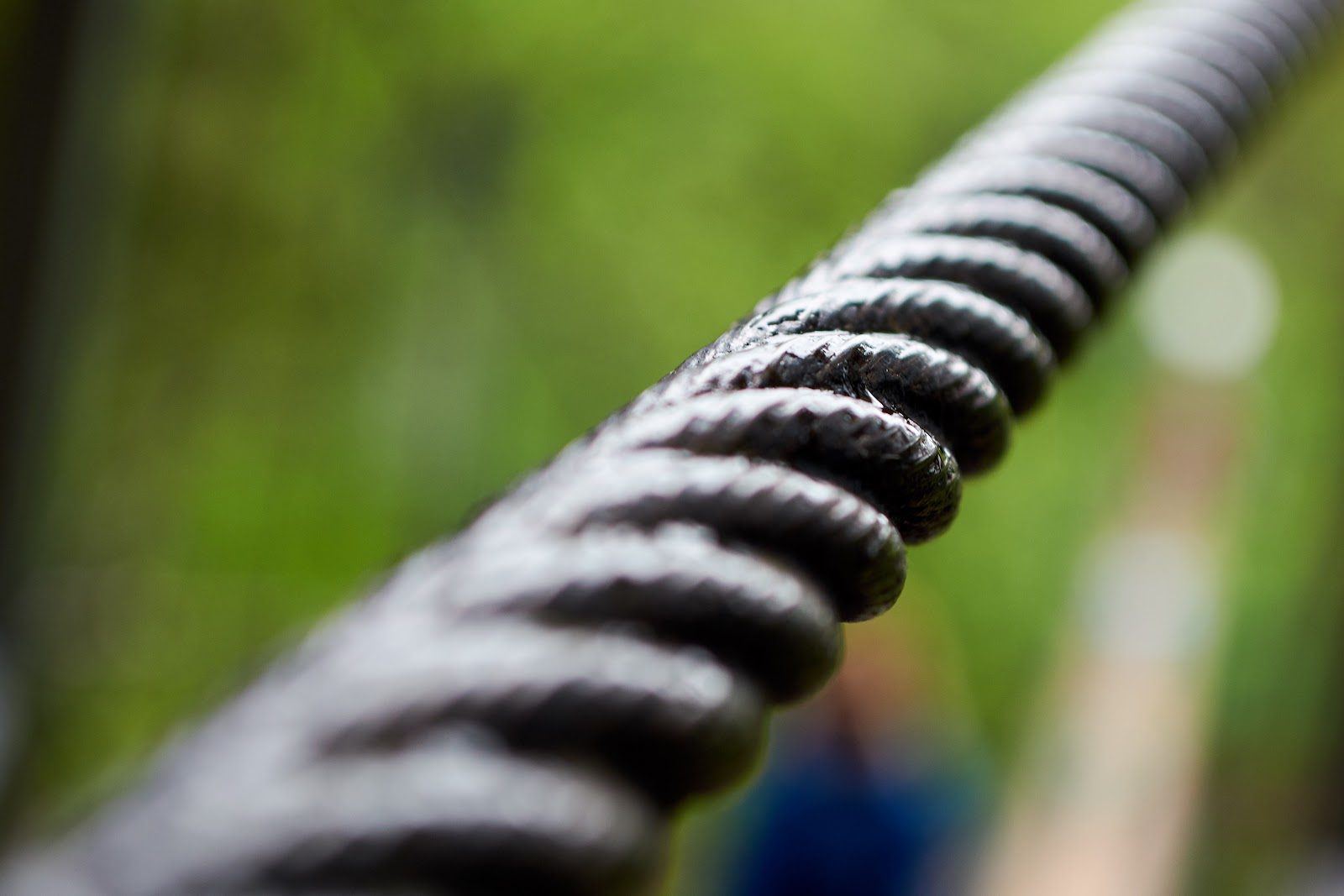
For wire rope, inspect for broken wires, corrosion, diameter reduction, kinks, birdcaging, flattened strands, crushing, heat damage, and disturbed strand geometry. Check lubrication condition and examine the rope where it passes over sheaves, around drums, and through termination areas. A wire rope that is poorly spooled can develop crushing and distortion even when its external surface appears acceptable from a distance.
Check fittings at the same time. Thimbles, sockets, swaged terminals, shackles, hooks, links, and connecting hardware must be free from deformation, excessive wear, cracking, seized pins, and unauthorized modification. The rope and its termination form one working system. A sound line connected to unsuitable or damaged hardware is not a safe assembly.
Treat Splices and Eyes as Critical Zones
An eye splice, soft eye, or protected eye often receives the highest local stress and the most abrasive contact. Remove chafe covers where the design allows and inspect beneath them. Covers protect the rope, but they can also hide damage, moisture, and contamination if they are never opened for examination.
Do not assume a splice is acceptable because it looks neat. Confirm that its configuration matches the rope manufacturer’s instructions and the application requirements. For lifting and safety-critical assemblies, retain the relevant certification, test records, and identification with the equipment.
Clean Rope Without Creating New Damage
Salt, mud, oil, grit, and chemical residue accelerate deterioration. Cleaning should remove contaminants without attacking the rope material or forcing abrasive particles deeper into the construction.
For synthetic rope, rinse with fresh water after saltwater exposure where operationally practical. Use a mild, rope-compatible cleaning agent only when needed, then rinse thoroughly. Avoid aggressive solvents, bleach, high-pressure washing at close range, and harsh brushes. These can damage fibers, strip protective finishes, or drive dirt into the rope.
Wire rope should be cleaned with a suitable method that removes old lubricant, dirt, and corrosion products without damaging wires. After cleaning and drying, apply a wire-rope lubricant compatible with the rope construction and service conditions. Proper lubrication reduces internal friction and helps protect the core, but excessive lubricant can attract dirt or make handling difficult. Apply enough to penetrate rather than simply coat the outer surface.
Natural-fiber rope should be dried thoroughly after cleaning. Persistent dampness encourages rot and mold, especially where a coil is packed tightly or stored against a cold, wet deck surface.
Storage and Handling Determine Service Life
Many ropes are damaged between jobs, not during them. Store rope clean, dry, ventilated, and protected from direct sunlight, chemicals, welding spatter, sharp edges, and vehicle traffic. Keep coils or reels off the deck and away from standing water. For long-term storage, use a rack, pallet, or reel stand that prevents contact with dirt and allows air circulation.
Synthetic rope should not be dragged over concrete, steel edges, or contaminated decks. Use chafe protection at known contact points, but select it carefully. A cover that traps water or moves independently can create abrasion rather than prevent it.
Wire rope must be wound under controlled tension and stored to prevent kinks. Never pull a coil from the side or allow loops to form while paying out rope. Once a wire rope is kinked, its strength and serviceability may be permanently compromised. The same discipline applies when reeving a new rope onto a drum: correct fleet angle, drum condition, and tight, even spooling are essential.
Establish Clear Removal Criteria
The most difficult maintenance decision is often whether a rope can remain in service. Do not base that decision on age alone. Some ropes see light, protected service for years; others encounter enough abrasion or cyclic loading to require early retirement.
Remove a rope from service when inspection finds damage beyond the applicable manufacturer, class, company, or regulatory criteria. This can include significant cuts or melted areas in synthetic rope; severe abrasion, stiffness, or contamination; unacceptable broken-wire counts, corrosion, diameter loss, deformation, or kinks in wire rope; or damaged terminations and identification that cannot be verified.
When there is doubt about a line involved in shock loading, a near miss, or an overload, quarantine it. Tag it clearly, prevent accidental reuse, and arrange a competent assessment. Cutting costs by returning a questionable rope to service is rarely defensible when the consequence may be snap-back exposure, a dropped load, vessel damage, or operational delay.
Make Documentation Part of the Work
A rope register turns observations into maintenance control. Each entry should identify the rope, its specification, location, service date, inspection dates, findings, maintenance performed, repairs or alterations, and retirement decision. Retain certificates, load-test records where applicable, and documentation for spliced, swaged, or custom-configured assemblies.
Photographs are useful for tracking progressive damage at known wear points. They also give shore management, superintendents, and technical suppliers a clearer basis for advice when a rope cannot be physically reviewed immediately.
For lifting, mooring, and custom rigging assemblies, traceability matters as much as physical condition. Equipment should be selected, cut and swaged to specification where required, inspected under the relevant criteria, and supplied with full documentation appropriate to the application. C&C International supports these requirements through technical processing, certified load testing, and project-specific rigging support.
Train Crews to Recognize Change
The strongest maintenance system is one that gives deck crews authority to report abnormal rope behavior early. A line that suddenly becomes difficult to handle, slips differently on a drum, shows new noise through a sheave, or develops an unfamiliar hard spot should be checked before the next operation.
Build rope inspection into routine work permits, pre-use checks, and post-operation housekeeping. Keep damaged equipment physically separated from serviceable stock, and ensure replacement ropes are correctly specified rather than selected only by diameter or availability. Similar-looking ropes can have very different strength, elongation, abrasion resistance, and suitability for marine exposure.
A disciplined rope program protects more than the asset. It gives crews a clearer basis for stopping unsafe work, gives managers traceable evidence of control, and gives operations a better chance of completing the next critical movement without an avoidable failure.