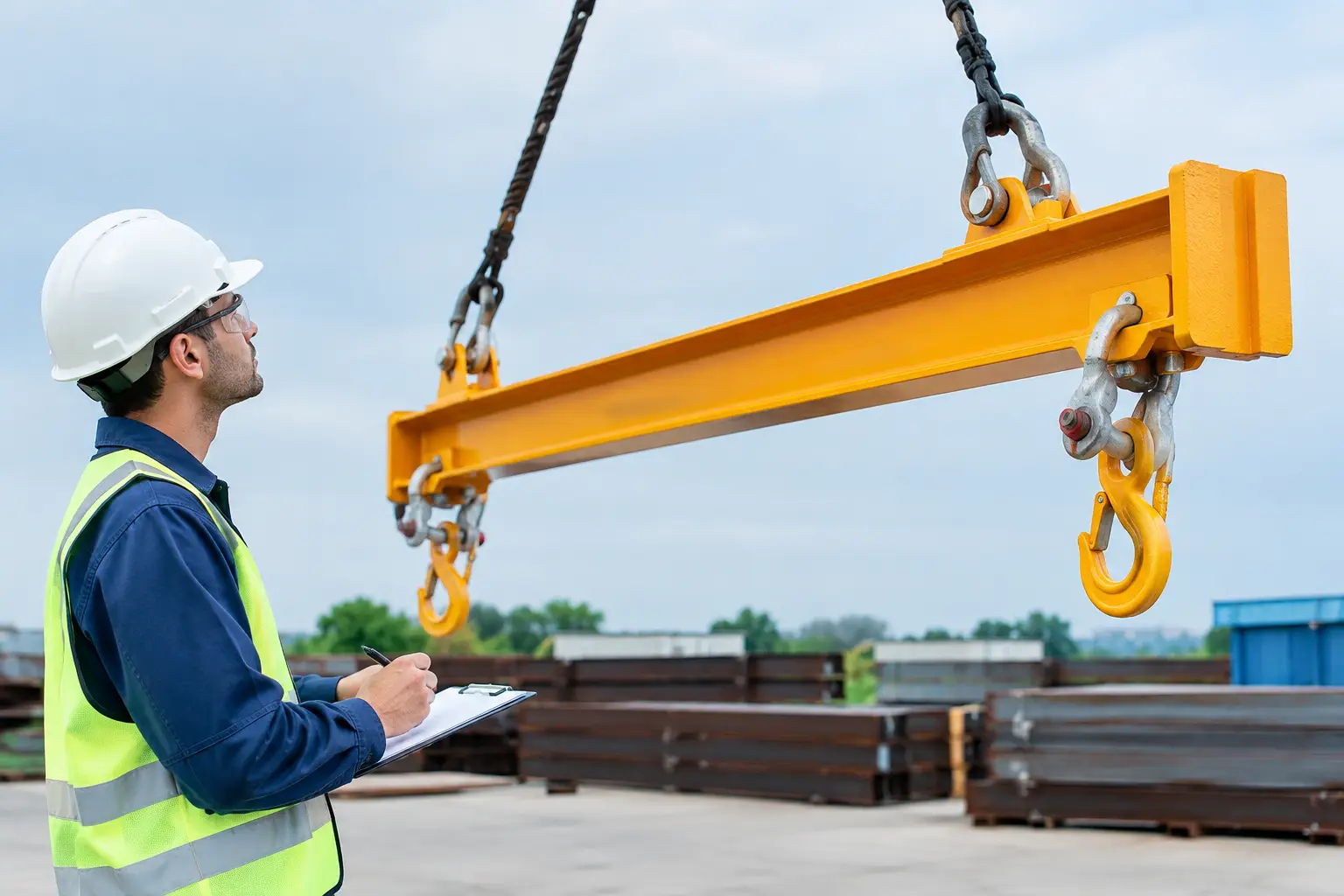
In Singapore’s shipyards, offshore terminals, and heavy lifting environments, load testing is widely used to verify lifting equipment before operational use. However, passing a load test does not automatically guarantee lifting safety. In real operations, failures often occur because of poor rigging setup, incompatible hardware, uneven load distribution, or operational stress rather than the tested component itself.
At C&C International Trading, lifting systems are approached as complete operational setups rather than isolated products, helping operators achieve safer and more reliable lifting performance across marine and industrial environments.
What Load Testing Actually Verifies
Why Load Testing Is Used in Lifting Operations
The purpose of load testing is to verify that lifting equipment can withstand a specified force under controlled conditions before being placed into service. This helps identify structural weaknesses, instability, or visible deformation before the equipment is exposed to operational lifting conditions.
In marine and industrial environments, load testing is commonly carried out on complete lifting assemblies involving:
- Wire rope sling systems
- Lifting hook assemblies
- D shackle connections
- Bow shackle hardware
- Chain block lifting systems
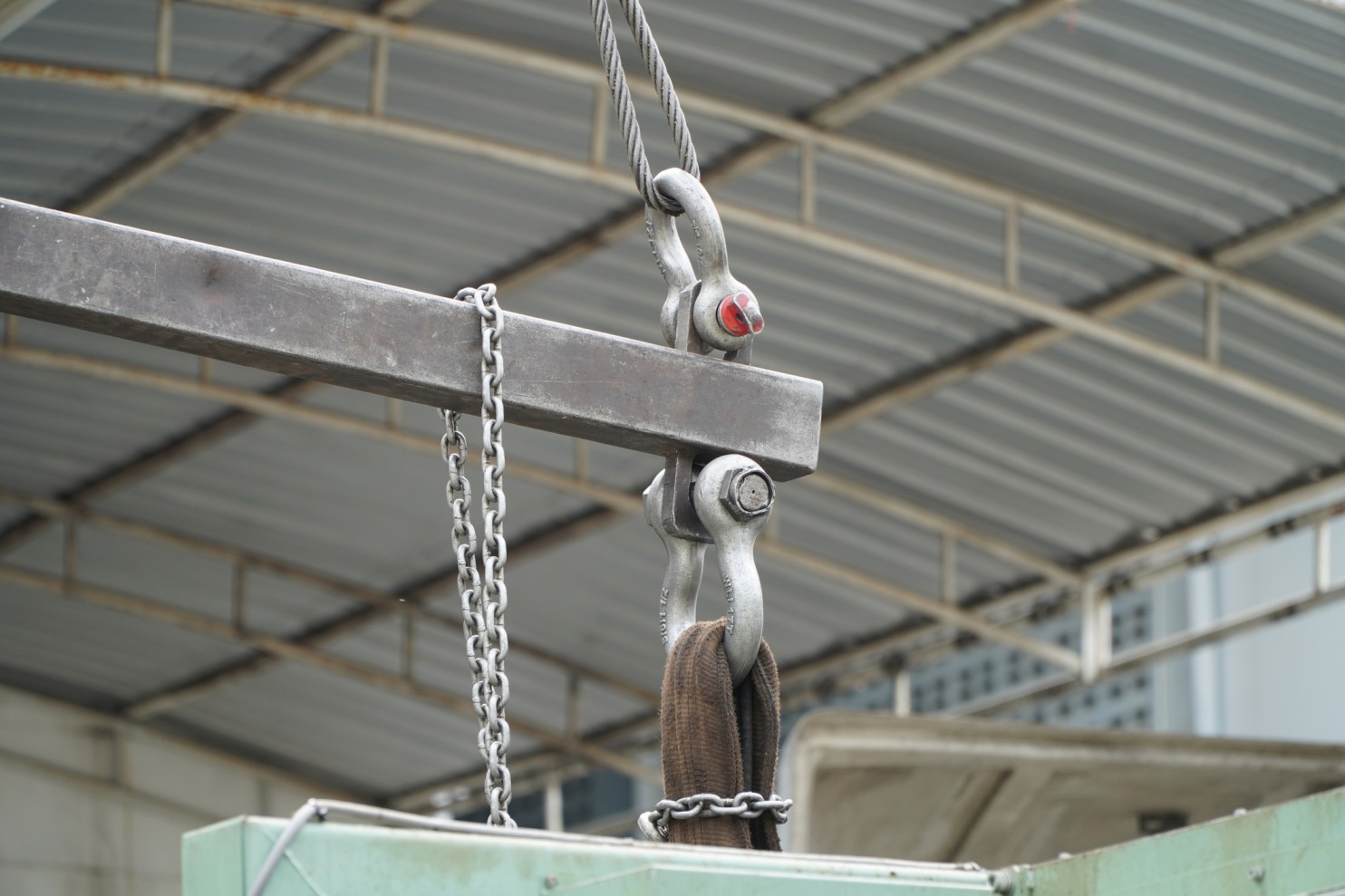
In practice, these components do not operate independently. A lifting system behaves as a connected structure where force transfers across multiple hardware points simultaneously. This is why testing a single component alone does not fully verify how the entire lifting setup will behave during actual operations.
Why Passing Load Testing Does Not Eliminate Risk
One of the biggest misunderstandings in lifting operations is assuming that passing load testing guarantees long-term operational safety.
Real lifting environments are rarely controlled. Offshore vessel movement, crane acceleration, shifting cargo weight, and uneven load transfer create dynamic loading conditions that standard testing procedures cannot fully reproduce. A lifting assembly may technically remain within its Safe Working Load while still developing dangerous stress concentration at the connection points.
This is especially important when using a wire rope sling together with shackles and lifting hooks. Most lifting failures begin where force transfers between hardware components, not necessarily within the sling itself.
For a deeper understanding of rigging setup and load behaviour, refer to this wire rope sling safety guide which explains how lifting systems behave under operational stress.
How Load Testing Works in Real Lifting Systems
Controlled Testing vs Operational Conditions
During a standard load testing procedure, a controlled force is applied to the lifting assembly while inspectors monitor structural response, deformation, and mechanical stability. After testing, the equipment is inspected again to confirm there are no visible signs of damage.
This process is useful because it verifies whether the equipment can tolerate a specified force under stable conditions. However, actual lifting operations introduce variables that cannot always be replicated during testing.
In Singapore’s marine and offshore sectors, lifting systems are continuously affected by:
- Vessel movement
- Shock loading
- Sudden crane movement
- Uneven load distribution
- Changing rigging angles
These conditions create stress patterns that differ significantly from static testing environments.
Why Hardware Compatibility Still Matters
A lifting system is only as reliable as the compatibility between its components. This becomes critical when combining the wire rope sling, lifting hook, d shackle, and bow shackle within the same setup.
For example, a d shackle is typically intended for straight-line loading, while a bow shackle allows more flexibility under multi-directional force. Selecting the wrong configuration changes how stress transfers across the lifting system and increases side-loading risk. Choosing suitable hardware from the Shackles helps ensure better compatibility across lifting applications.
The same issue applies to lifting hooks. Incorrect throat opening, poor latch engagement, or incompatible hook geometry can create instability even when the equipment has already passed load testing successfully.
In practice, many failures occur because operators focus on component capacity individually rather than how the full lifting arrangement behaves under operational movement.
Load Testing vs Non Destructive Testing
Why Both Testing Methods Are Important
Many operators confuse load testing with non destructive testing, even though they serve different purposes.
Load testing evaluates whether lifting equipment can tolerate force under controlled loading conditions. Non destructive testing focuses on identifying hidden material defects that may not be visible during normal inspection.
This includes:
- Fatigue cracking
- Internal flaws
- Corrosion damage
- Material deterioration
A lifting component may pass load testing while still containing internal fatigue conditions that worsen gradually over time. Likewise, equipment without material defects may still fail operationally because of incorrect rigging setup or incompatible hardware selection.
This is why experienced lifting operators often rely on both testing methods together, especially for critical marine and offshore lifting operations.
| Testing Method | Main Purpose | Limitation |
| Load Testing | Verifies load-bearing performance | Does not fully simulate operational conditions |
| Non Destructive Testing | Detects hidden material defects | Does not verify load behaviour |
Why Testing Alone Cannot Prevent Failures
One of the most dangerous assumptions in lifting operations is believing that certification alone prevents failure.
In reality, operational discipline remains one of the biggest factors affecting lifting safety. Many lifting incidents still originate from:
- Incorrect rigging setup
- Poor load planning
- Skipped inspections
- Improper hardware installation
- Uncontrolled load movement
These are operational issues rather than structural ones. Controlled testing cannot fully account for environmental changes or human error during lifting operations.
Why Inspection Still Matters After Load Testing
Equipment Condition Changes Over Time
Successful load testing does not act as a permanent guarantee of equipment condition. Repeated operational stress gradually changes how lifting equipment performs over time.
A wire rope sling exposed to repeated load cycles may develop internal fatigue. Shackles experience wear at the connection points, while lifting hooks can slowly deform under repeated stress concentration.
These changes often develop gradually rather than immediately after testing.
Post-Test Inspection Remains Essential
Even after certification, lifting equipment should continue to be monitored for:
- Deformation
- Corrosion
- Wire fatigue
- Hardware wear
- Connection instability
Load testing verifies a specific moment under controlled conditions. Inspection verifies whether the equipment remains suitable for continued operational use.
Choosing a Reliable Load Testing Partner in Singapore
Why Technical Experience Matters
Effective load testing requires more than simply applying force to equipment. It requires understanding how lifting systems behave under real operational conditions across marine, offshore, construction, and industrial environments.
Different lifting applications create different stress behaviours. Offshore cargo transfer does not behave the same way as construction lifting or port handling operations. This is why testing procedures should always consider:
- Load behaviour
- Rigging configuration
- Environmental conditions
- Hardware compatibility
- Operational application
At C&C International Trading, lifting systems are approached with practical operational understanding rather than specification matching alone. The focus is not just equipment strength, but how the complete lifting arrangement performs safely under real working conditions.
For project-specific support or lifting equipment enquiries, refer to the Contact Us page to speak with an experienced marine and industrial supply specialist.
Load Testing Is Only One Part of Lifting Safety
Load testing remains an essential part of lifting equipment verification, but safe lifting depends on more than passing a controlled test. Reliable operations require compatible hardware, proper rigging setup, inspection discipline, and a clear understanding of how lifting systems behave under real conditions.
When lifting systems are treated as complete operational structures rather than isolated components, lifting safety becomes more controlled, predictable, and reliable across marine and industrial environments.