A sling can look serviceable at the start of a shift and become unsuitable after a single bad lift. What affects sling service life is not simply its age or the number of jobs completed. Load condition, handling practice, environmental exposure, compatibility with the load, and inspection discipline all determine whether a sling remains fit for service.
For lifting supervisors, vessel operators, and maintenance teams, service life should never be treated as a fixed calendar period. A correctly selected sling used within its rated capacity in controlled conditions may provide long service. The same sling used around sharp steel, corrosive washdown areas, or repeated shock loading may need to be removed much sooner.
What Affects Sling Service Life Most?
The primary factors are the sling type, load weight and geometry, sling angle, contact points, working environment, storage condition, and the quality of pre-use and periodic inspections. These factors interact. A polyester web sling may tolerate moisture well but suffer quickly from cuts and abrasion. A wire rope sling can withstand rougher contact in many applications, yet corrosion, broken wires, crushing, and kinking can reduce its capacity and safe usability.
The correct question is not, “How long should this sling last?” It is, “Has this sling remained in a condition that supports the intended lift within its marked working load limit?” That decision must be based on manufacturer guidance, applicable site procedures, and competent inspection.
Sling Material and Construction
Different sling materials fail in different ways. Synthetic web and round slings are lightweight and practical for finished surfaces or loads that require broad bearing contact. Their fibers can be damaged by sharp corners, dragging, welding spatter, ultraviolet exposure, chemical attack, and excessive heat.
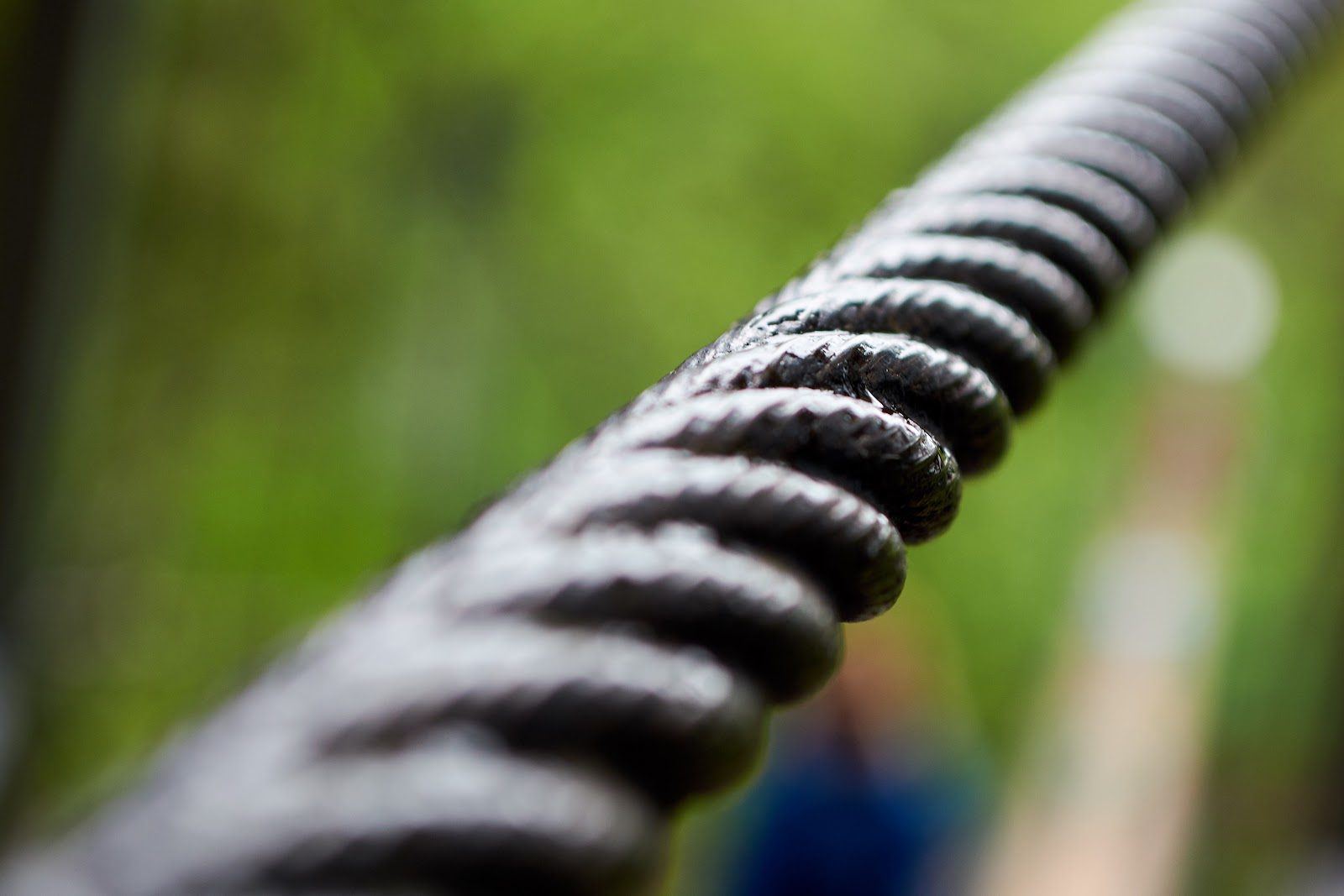
Wire rope slings are widely used in marine, construction, and industrial lifting because they provide strength and abrasion resistance. Their service condition is affected by wire breaks, corrosion, abrasion, birdcaging, flattening, heat damage, and deformation at eyes, thimbles, ferrules, and fittings. A wire rope sling that has been kinked or crushed should not be assumed safe simply because its rated tag remains attached.
Alloy chain slings are suitable for demanding applications where sharp edges, heat, and rugged handling are expected. However, chain can be damaged by overloading, side loading, stretching, gouging, corrosion, and unauthorized welding or modification. Hooks, master links, shortening clutches, and connectors must be inspected as carefully as the chain legs themselves.
The material must match the work. Selecting a sling solely on nominal capacity, without considering the load surface and job environment, often shortens service life from the first lift.
Load Weight, Angles, and Dynamic Forces
A sling is only as durable as the forces applied to it. Exceeding the marked working load limit can cause immediate damage or introduce deformation that is not obvious during a quick visual check. Even a lift below the stated load limit can become unsafe when sling angles are too shallow, the load is unbalanced, or legs are not equally loaded.
As the horizontal angle of a multi-leg sling decreases, tension in each sling leg increases. This is a common source of overload in field lifting. Teams should plan the rigging arrangement before the lift, confirm the center of gravity, and use the correct angle factors rather than assuming that two or four legs automatically share the weight equally.
Shock loading is equally damaging. Sudden hoist movement, snagged loads, rapid lowering, or a load settling unexpectedly can create forces well above the static weight. Repeated shock loading can fatigue wire rope components, stretch chain, and stress synthetic fibers. Controlled lifting and clear communication between the lifting team help protect both equipment and personnel.
Load Edges and Contact Damage
Sharp or abrasive load edges are among the fastest ways to damage a sling. Steel plate, fabricated frames, pipe ends, concrete corners, and cargo with exposed fittings can cut webbing, crush wire rope, or gouge chain links. A sling protector is not optional when the edge condition requires one.
Protection must suit the hazard. Soft wear pads may reduce surface abrasion but may not provide adequate resistance against a sharp edge. Corner protectors, sleeves, engineered edge guards, or an alternative rigging method may be needed. The protection should be secured so it stays in position as the load takes weight.
Do not drag slings beneath loads or pull them out while under tension. These practices create abrasion and can damage stitching, eyes, rope strands, or protective covers. Where practical, rig the lift so the sling can be removed without being forced across rough surfaces.
Environmental Exposure and Storage Conditions
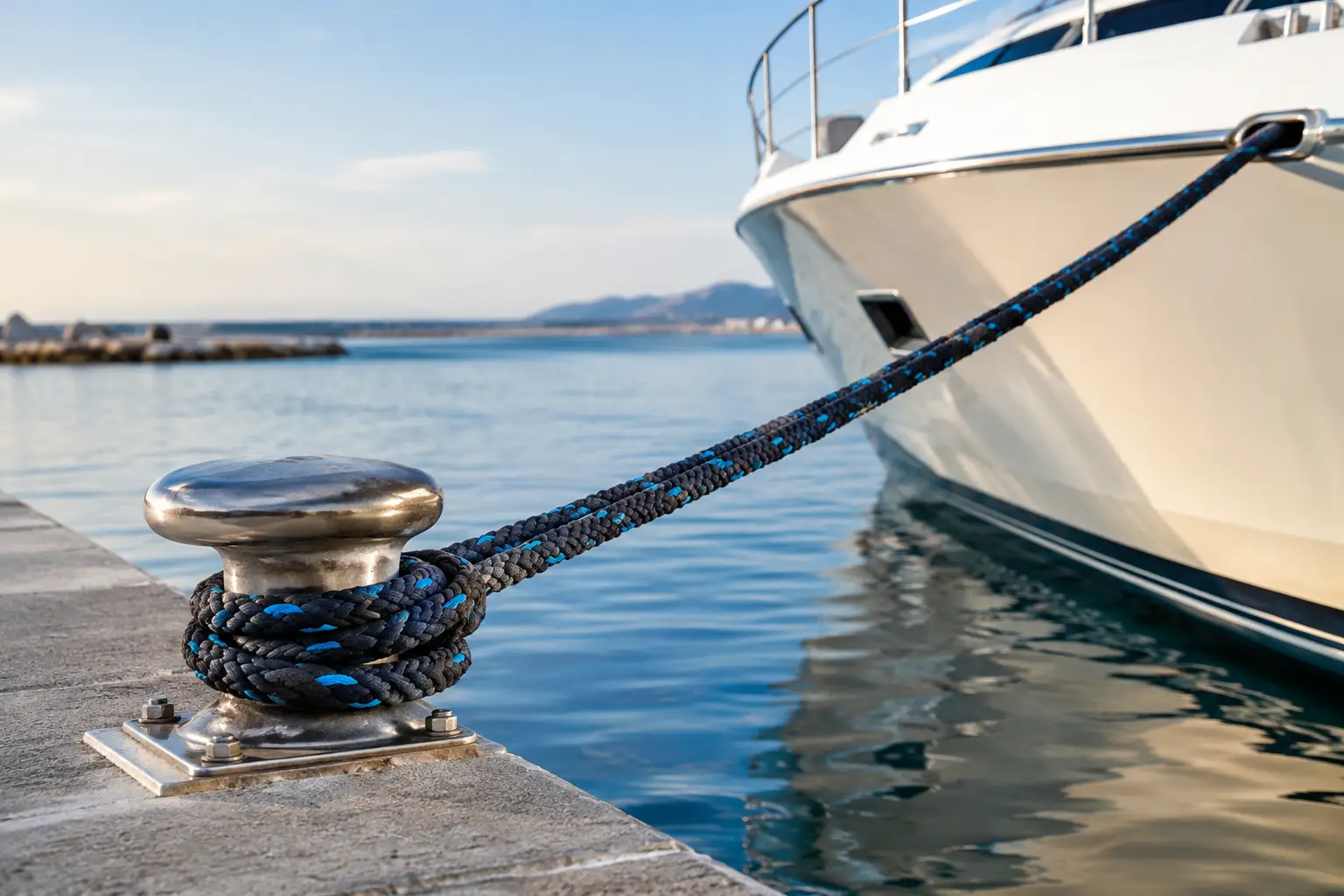
Marine and offshore environments place additional demands on lifting gear. Salt spray, high humidity, standing water, and temperature changes accelerate corrosion on wire rope and chain assemblies. Corrosion may develop inside rope construction or around terminations where it is harder to detect. Regular cleaning, lubrication where applicable, drying, and protected storage help slow deterioration.
Synthetic slings require protection from conditions that degrade fibers. Exposure to acids, alkalis, solvents, paint chemicals, and petroleum products can reduce strength depending on the sling material. Heat from hot work, exhaust systems, steam lines, or recently fabricated steel can also damage fibers without producing obvious external cuts. If the chemical or temperature exposure is uncertain, remove the sling from service until a competent person confirms its condition and suitability.
Storage matters after the lift is complete. Slings should be kept off the ground, away from direct sunlight where possible, and protected from water, dirt, chemicals, welding activity, and vehicle traffic. A designated rack or dry equipment store prevents many avoidable failures. Throwing slings into a cargo box with shackles, chains, and loose steel hardware invites abrasion, contamination, and missing identification tags.
Inspection Quality Determines Safe Service Life
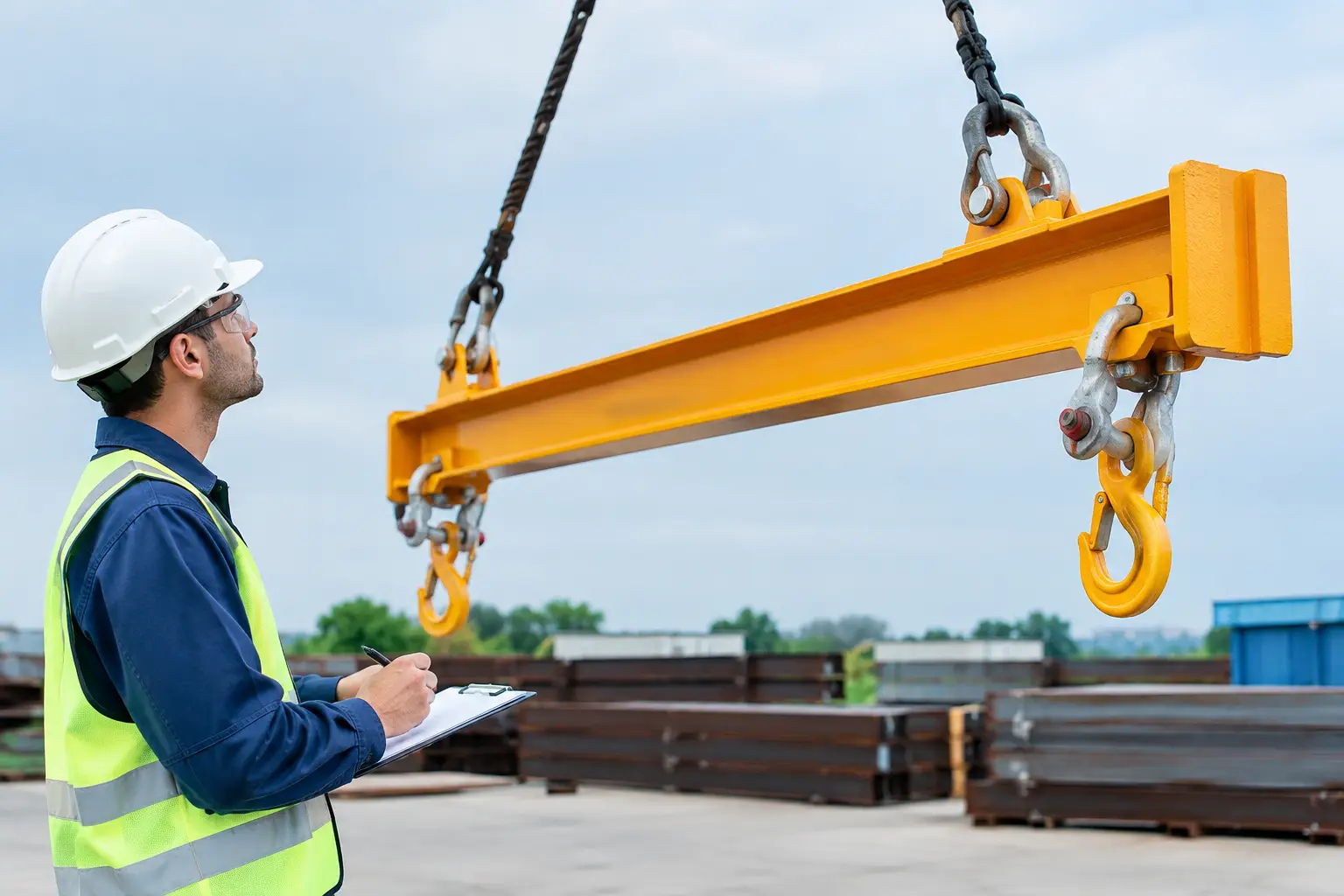
Inspection does not extend a damaged sling’s life. It identifies damage before the sling is used in a lift. Every user should conduct a pre-use check, while formal periodic inspections should be completed at intervals set by the manufacturer, governing standards, risk assessment, and site requirements.
A proper check starts with identification. The sling must have legible marking or a durable tag showing its working load limit, length, configuration, and other required information. If the identification is missing or unreadable, the sling cannot be reliably selected for a lift and should be removed from service pending evaluation.
For synthetic slings, inspectors look for cuts, holes, broken stitching, melted or glazed fibers, heavy abrasion, damaged protective covers, knots, chemical contamination, and distorted fittings. For wire rope slings, checks include broken wires, corrosion, wear, reduction in diameter, kinks, crushing, birdcaging, damaged eyes, loose ferrules, and compromised hooks or shackles. Chain sling inspections focus on stretch, bent links, gouges, cracks, heat damage, wear, and distorted components.
Any uncertain condition should be escalated, not rationalized. A sling that is questionable at ground level will not become safer once a load is suspended.
Traceability and Competent Repair
Traceable records support safer decisions. They confirm what was supplied, its rated capacity, material specification, test status where required, inspection history, and any restrictions on use. This is particularly valuable on projects involving multiple shifts, marine operations, heavy lifts, and contractor interfaces.
Repairs must only be carried out by authorized, competent parties using approved methods. A damaged synthetic sling is generally removed rather than field-repaired. Wire rope sling re-termination, chain sling component replacement, and proof testing may be possible where permitted, but only when the work is completed to specification and supported by the required documentation. Improvised repairs, homemade tags, welded chain links, or substituted components remove the assurance that the original assembly was designed to provide.
C&C International supports job-ready lifting assemblies through correct selection, cut-and-swaged wire rope processing, load-test certification, and documentation aligned to project requirements. For urgent site work, having a capable technical partner helps prevent rushed substitutions that can compromise the lift plan.
Make Sling Life a Controlled Operating Condition
The best way to improve sling service life is to make preservation part of the lifting process, not an afterthought. Select the correct sling and configuration, protect it from edges, control sling angles, avoid shock loading, inspect it before use, and return it to proper storage after the job. These steps take less time than investigating a failed lift or replacing equipment after preventable damage.
When a lift presents unusual load geometry, aggressive environmental exposure, or uncertain contact conditions, pause before proceeding. A revised rigging arrangement, suitable protection, or a different sling type is often the practical decision that keeps the job moving safely.