A lift can be correctly engineered on paper and still become the weak point in an offshore campaign when sea state, corrosion, restricted deck space, or incomplete records enter the picture. That is why offshore lifting technology trends are moving beyond bigger cranes and higher capacities. The practical changes are centered on better lift intelligence, traceable equipment histories, reduced exposure for personnel, and equipment configured for the conditions it will actually face.
For vessel operators, offshore contractors, lifting supervisors, and procurement teams, the question is not whether new technology is available. It is whether it improves control over risk, uptime, and compliance without adding complexity that the crew cannot support offshore.
Offshore Lifting Technology Trends Reshaping Lift Planning
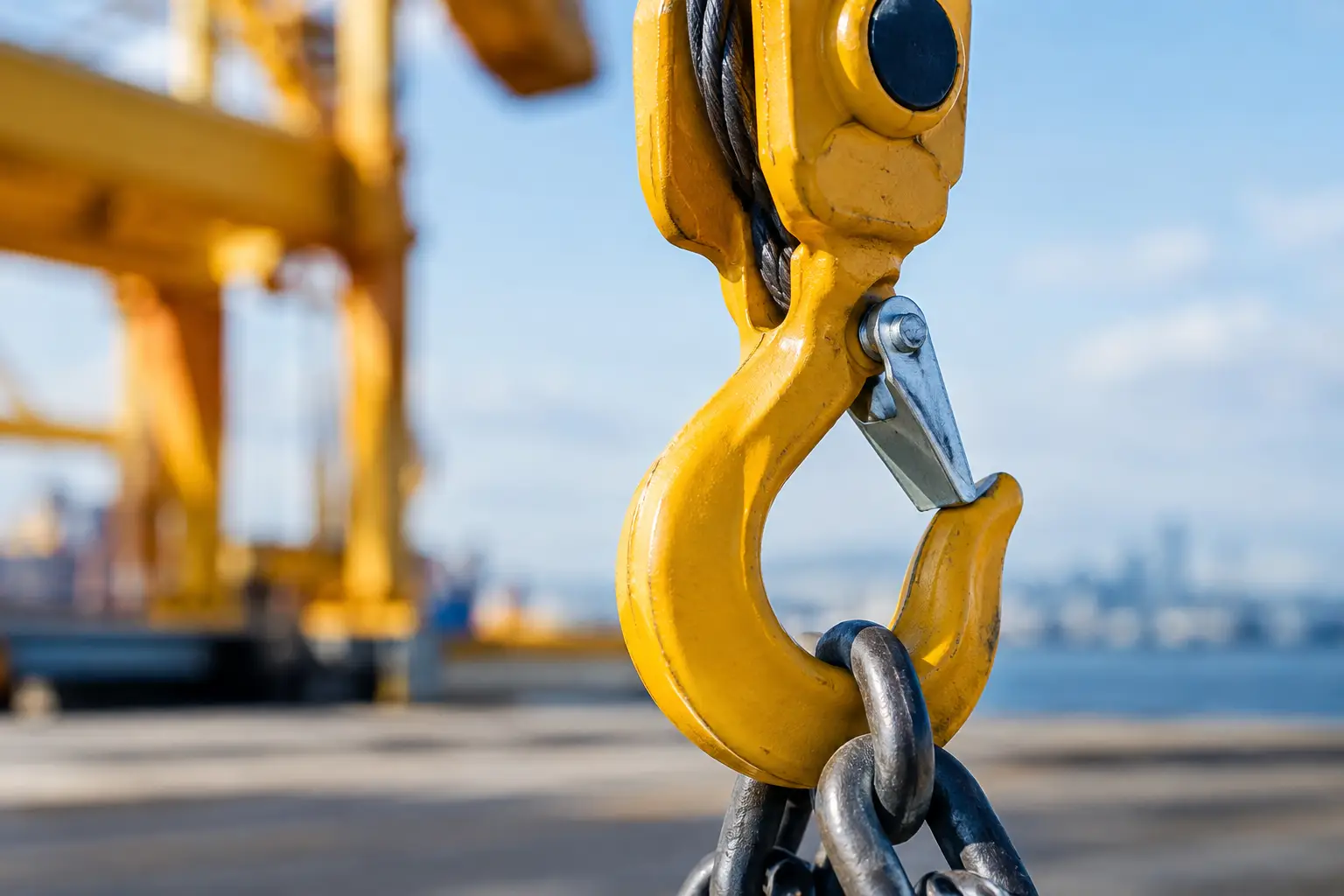
The strongest trend is the shift from equipment selection to lift-system planning. A crane, hoist, sling, shackle, hook, and lifting point must work as a verified system, with clear load paths and compatible capacities. This has always been good lifting practice, but projects now expect more complete evidence before equipment reaches the vessel or worksite.
Digital lift planning tools are helping teams model geometry, sling angles, crane reach, clearance, and likely load movement before the lift begins. Their value is not that they replace competent lifting supervision. Their value is that they expose assumptions earlier. A poorly chosen sling length, an unfavorable center of gravity, or a conflict between a crane boom and deck obstruction can be identified during planning instead of during a weather-sensitive operation.
For complex lifts, the planning record should connect directly to the equipment pack. The lifting supervisor needs to see the required working load limits, sling configuration, hardware identification, inspection status, and lift-specific controls in one controlled set of documents. A generic certificate folder is not enough when several similar shackles, slings, and rigging assemblies are operating on the same project.
Digital Traceability Is Becoming a Field Requirement
QR codes, RFID tags, and digital asset registers are increasingly used to maintain an accessible record for lifting gear. When applied properly, a scan can confirm the item identity, working load limit, material specification, inspection history, test certificate, and retirement status. This reduces time spent searching through paper files and helps prevent uncertified or out-of-date equipment from being returned to service.
The technology is only as reliable as the process behind it. Tags can be damaged, records can be entered incorrectly, and temporary project equipment can be missed during mobilization. Physical markings, periodic inspection, and a controlled quarantine process remain necessary. Digital records should support the inspection regime, not become a reason to relax it.
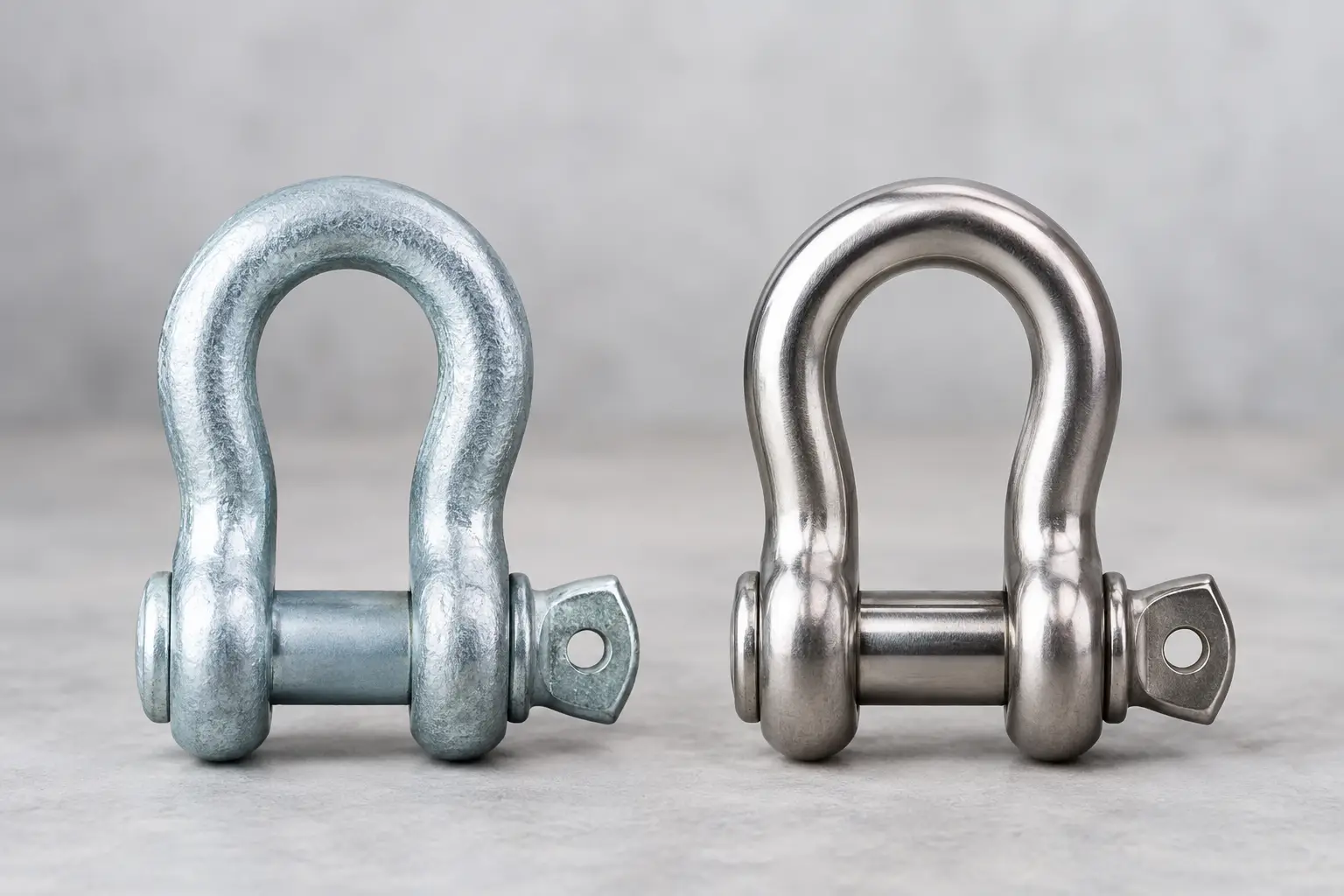
For procurement teams, traceability should be specified at the point of purchase. Ask how each item will be marked, what documentation will be supplied, whether certificates can be matched to unique serial numbers, and how assemblies will be recorded after fabrication. This matters particularly for wire rope slings, chain slings, spreader arrangements, and other items built for a specific lift plan.
Smarter Monitoring, Not Unattended Lifting
Load monitoring is becoming more common in offshore lifting operations. Load cells, dynamometers, and crane monitoring systems can provide real-time information on lifted weight, line pull, overload events, and load distribution. This is especially useful where the actual load is uncertain, where multiple lifting points share a load, or where a subsea or marine lift can introduce dynamic effects.
The benefit is early warning. A changing load reading may indicate snagging, water retention, unexpected friction, or an uneven share between sling legs. On a tandem lift, monitored load distribution can help the lift team identify when the planned balance is not being achieved. It does not give permission to proceed outside the approved plan. It gives the team better information to stop, assess, and correct the situation.
Remote monitoring also has limits offshore. Sensors require calibration, batteries, protection from impact, and reliable communication. A display in a control room cannot fully show deck conditions, line behavior, or personnel positioning. Competent banksmen, riggers, crane operators, and lifting supervisors remain central to safe execution.
Automation Focuses on Repeatability and Exposure Reduction
Offshore cranes are incorporating more automation features, including anti-sway functions, active heave compensation, assisted positioning, collision avoidance, and remote-control capability. These systems can improve precision when handling loads between a vessel and platform, lowering equipment to a moving deck, or placing components in congested work areas.
Active heave compensation is particularly significant for offshore transfer and subsea work. By counteracting vessel movement, it can reduce shock loading and improve control over suspended loads. However, the system must be selected for the actual operating envelope. Sea state, crane configuration, payload, vessel motion characteristics, and the nature of the load all affect its usefulness.
Automation is most effective on repeatable tasks with defined boundaries. It is less reliable when the load is irregular, visibility is poor, the deck layout changes frequently, or the lift depends on judgment gained from years of field experience. The sensible approach is to automate predictable movement while keeping trained personnel in control of lift decisions and abnormal conditions.
Lighter Rigging Materials Bring Different Decisions
The growth of synthetic lifting slings and fiber-based handling solutions reflects a clear operational need: lower weight, easier handling, and reduced risk of surface damage to sensitive loads. Compared with steel assemblies, properly selected synthetic slings can reduce manual handling demands and simplify rigging in restricted spaces.
That advantage comes with different inspection priorities. Synthetic materials can be vulnerable to cutting, abrasion, heat, chemicals, ultraviolet exposure, and hidden internal damage. Edge protection, correct storage, clean working surfaces, and routine inspection are not optional accessories. They are part of the lifting arrangement.
Steel wire rope and alloy chain remain essential where abrasion resistance, heat resistance, compactness, or high-duty-cycle performance are needed. There is no universal material upgrade. The right choice depends on load characteristics, connection geometry, environmental exposure, handling frequency, and the consequences of damage. In many offshore applications, mixed systems remain the practical answer, using steel hardware and purpose-selected slings or softeners where they offer a genuine benefit.
Condition-Based Inspection Is Gaining Ground
Traditional inspection intervals remain necessary, but operators are placing more value on condition data between scheduled examinations. Visual checks, dimensional measurement, magnetic inspection methods for appropriate wire rope applications, and usage records can help identify equipment that needs attention before its next planned interval.
This approach is valuable in corrosive marine environments, where deterioration can advance quickly around sockets, terminations, pins, and areas that retain moisture. It also helps fleets distinguish between equipment that has been stored correctly and equipment that has seen repeated heavy use, shock loading, or exposure to poor deck conditions.
Condition-based inspection should not be treated as a shortcut around mandatory inspection requirements. Instead, it allows maintenance teams to prioritize attention based on actual service conditions. A sling used once in a controlled lift does not present the same inspection profile as one used daily in salt spray around abrasive cargo.
What Procurement Teams Should Specify Now
The best technology investments fail if the equipment arrives with incomplete certification, unsuitable end fittings, or no plan for inspection after mobilization. Procurement specifications should describe the application, not just the item name and nominal capacity. A request for a wire rope sling or shackle should state the load, intended configuration, connection details, environmental conditions, required standard, identification method, and documentation expectations.
For custom assemblies, confirm the fabrication process, proof-load testing requirements, certificate format, and whether PE endorsement is required for the project. Where timing is tight, suppliers that can cut and swage wire rope to specification, fabricate assemblies, load test equipment, and provide full documentation can reduce handoffs and avoid late-stage compatibility issues.
It is also worth planning for replacement and rental requirements before the campaign starts. Offshore work rarely follows an ideal schedule. Having an approved route for urgent replacement gear, inspection support, or temporary lifting equipment can protect the critical path without compromising control.
The Trend That Matters Most: Better Execution
The most useful offshore lifting technology is the kind that makes a lift easier to verify, easier to supervise, and harder to get wrong. Digital records, connected monitoring, automated crane functions, and advanced materials all have a role, but none replaces sound rigging practice and disciplined equipment control.
For offshore teams, the practical next step is to review where information is lost between procurement, mobilization, inspection, and the lift itself. C&C International supports that process with job-ready lifting equipment, custom processing, certified load testing, and documentation aligned to project requirements. Better technology delivers value when it reaches the deck as a correctly configured, clearly documented, and properly maintained lifting system.