A failed line rarely starts with a dramatic event. More often, it begins with the wrong rope selected for the duty cycle, end termination, environment, or inspection regime. The fiber rope versus steel rope decision should therefore be made around the actual operation: mooring, towing, lifting, winching, cargo handling, or temporary restraint. Breaking strength matters, but it is only one part of safe line selection.
For marine and industrial teams, the correct rope must work with the available winch or drum, expected loading pattern, crew handling requirements, hardware geometry, and applicable safety rules. It must also arrive with the right certificates, identification, and processing completed to specification. A rope that is suitable on paper can still be unsuitable once it is exposed to abrasion, side loading, heat, sharp edges, corrosion, or frequent shock loads.
Fiber Rope Versus Steel Rope: Start With the Application
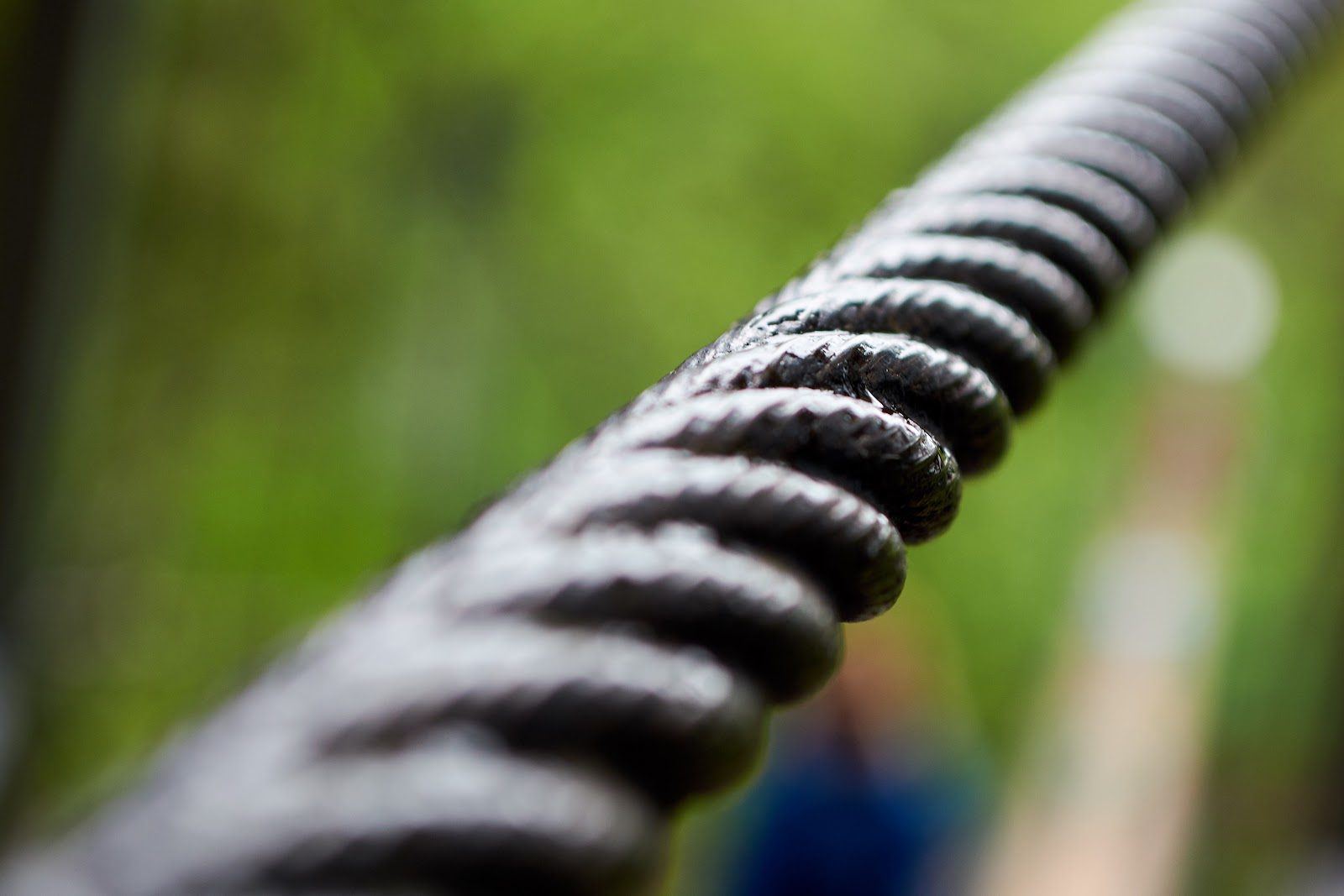
Steel wire rope and fiber rope solve different problems. Steel wire rope provides high strength in a comparatively compact diameter, good resistance to cutting and surface abrasion, and dependable performance in many lifting, hoisting, guying, and winching applications. It is a familiar choice where precise movement, limited elongation, and compatibility with existing machinery are priorities.
Fiber rope, particularly modern synthetic rope, offers very low weight, easier manual handling, corrosion resistance, and safer recovery characteristics when correctly selected and maintained. It is common in mooring, towing, marine handling, utility work, and applications where crews must move long lengths of line without mechanical assistance. Natural-fiber ropes still have niche uses, but they are not a direct substitute for engineered synthetic mooring or lifting products.
The question is not whether one material is universally better. The right choice depends on what the line has to do, what can damage it, and how the team will inspect and retire it.
Choose steel wire rope when control and abrasion resistance lead
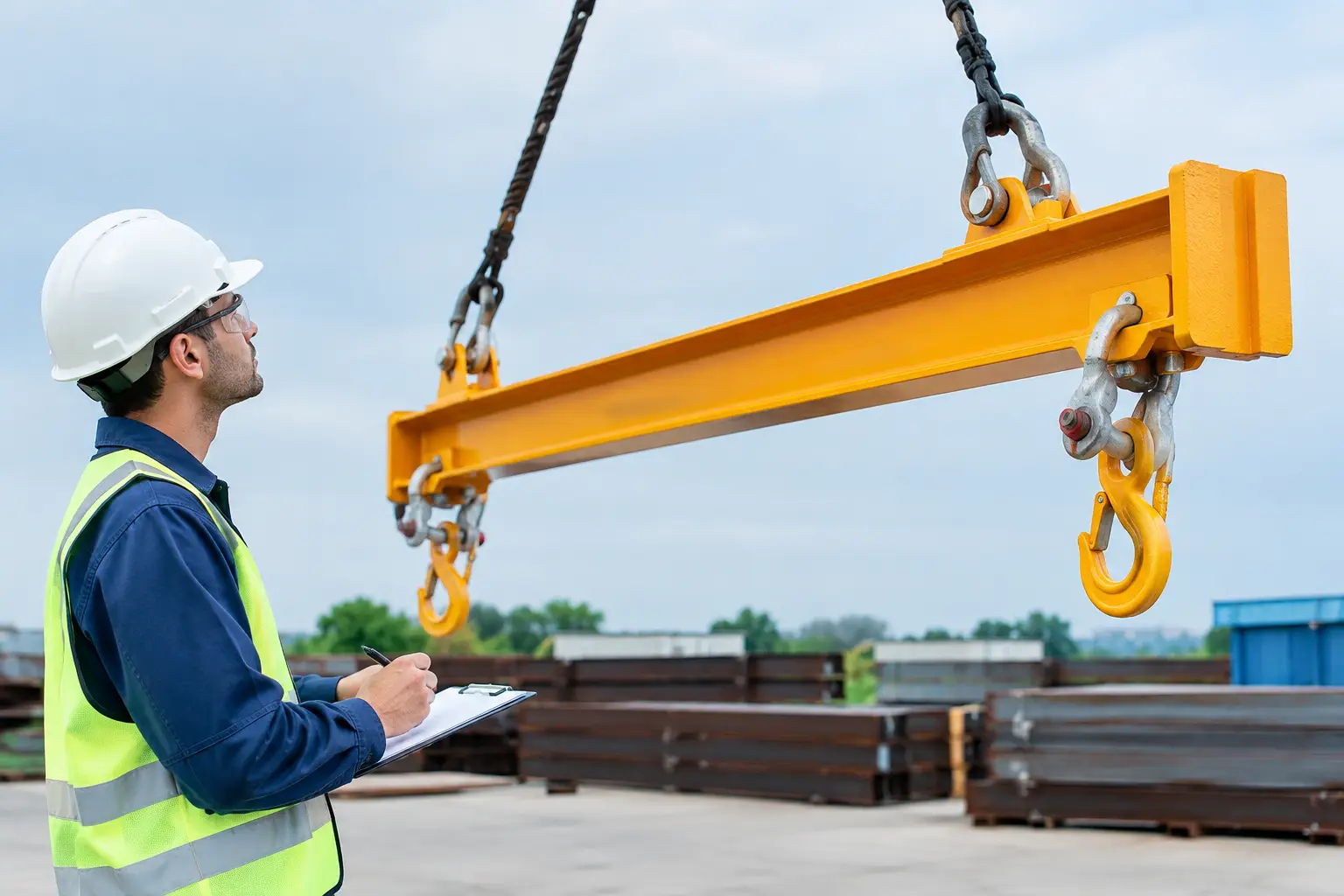
Steel wire rope is often the practical choice for crane hoists, winches, lifting appliances, wire pendants, choker slings, and permanent or semi-permanent rigging. Its high strength-to-diameter ratio can be decisive where sheave grooves, drum capacity, or space constraints limit rope size.
Its lower elongation also supports controlled load movement. In a lifting operation, excess stretch can complicate positioning and make it harder to judge load response. Properly selected wire rope construction can be matched to the equipment: rotation-resistant ropes for suitable lifting applications, more flexible constructions for repeated bending over sheaves, or galvanized and lubricated ropes for exposed service.
Steel is not maintenance-free. In marine service, internal and external corrosion can reduce capacity before the rope looks severely degraded at a glance. Broken wires, flattening, birdcaging, diameter reduction, kinks, damaged sockets, and crushed sections require competent inspection. A wire rope that has jumped a sheave or suffered a shock event should not simply be put back into service without assessment.
Choose fiber rope when weight, handling, and corrosion matter
Synthetic fiber ropes can significantly reduce handling effort. This has direct value when crews must deploy, recover, coil, or reposition lines during vessel operations, towing preparation, and general marine work. A lighter line may also reduce deck damage and lower the consequences of a dropped coil or accidental contact during handling.
Unlike steel, synthetic rope does not rust. That makes it attractive in saltwater environments, provided the rope is selected for UV exposure, abrasion, chemicals, and the intended service temperature. Polyester, nylon, polypropylene, and high-modulus fibers all behave differently. A specification that simply states “synthetic rope” leaves too much open to interpretation.
Nylon provides useful energy absorption and is often considered for lines exposed to shock loading, but that elongation must be managed. Polyester offers lower stretch and good UV performance. Polypropylene floats and is lightweight, but it generally has lower strength and different durability limits. High-modulus polyethylene rope can achieve very high strength at low weight, but it needs careful protection from heat, abrasion, and poor hardware interfaces.
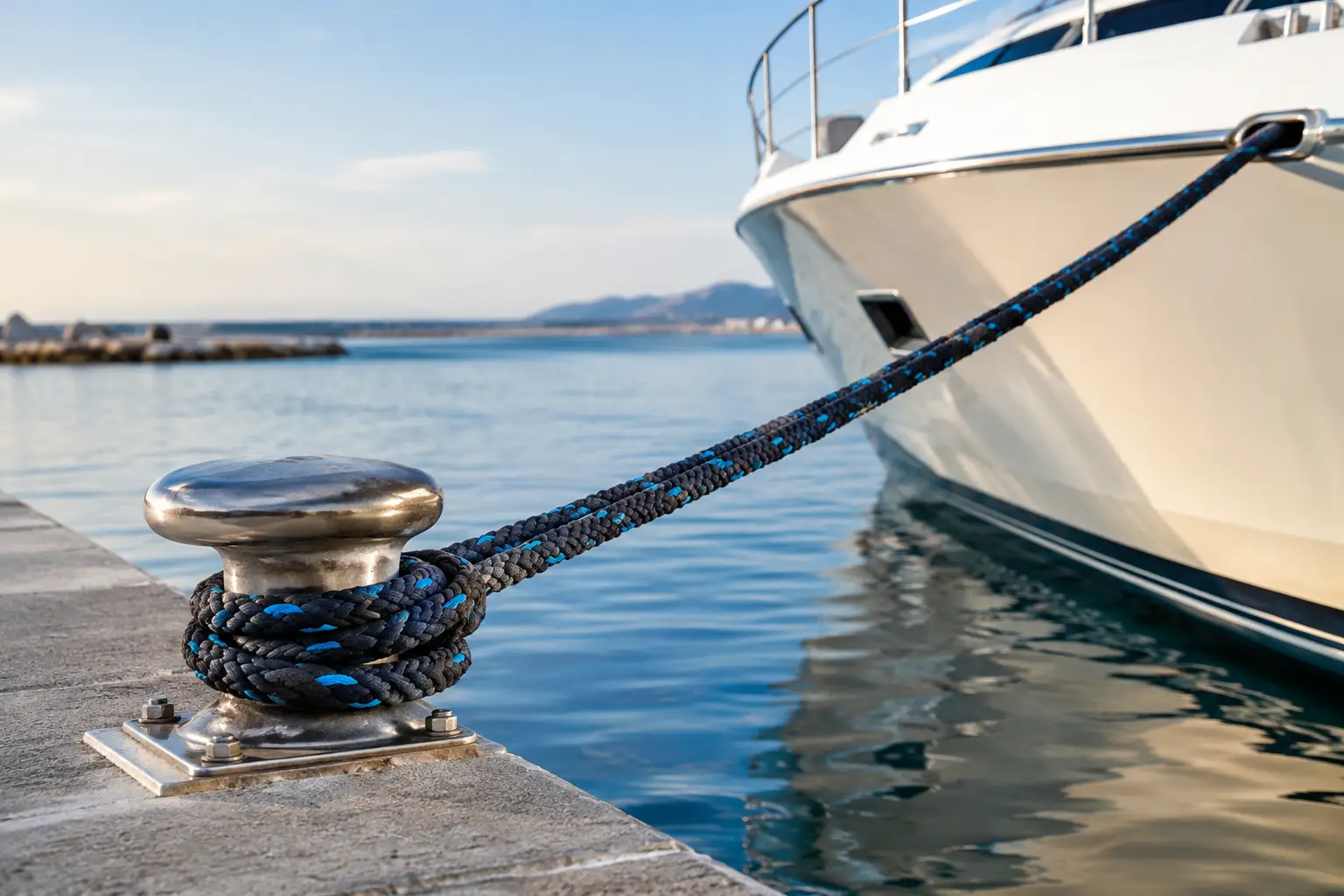
For a mooring or towing line, the construction, cover, eye protection, chafe gear, splice design, and compatibility with bitts, fairleads, chocks, and winches are as important as the fiber itself.
Strength Does Not Equal Working Suitability
Procurement specifications often focus first on minimum breaking load. This is necessary, but it does not define a safe working system. The applied design factor, service category, dynamic loading, termination efficiency, and hardware rating must all be considered.
Steel wire rope can lose efficiency at poorly made terminations or when bent over undersized sheaves. Fiber rope can lose capacity through abrasion, internal heat, contamination, cuts, or compression damage that is difficult to identify from the surface. In either case, the weakest component governs the system. A certified rope connected to an undersized shackle, worn hook, unapproved thimble, or mismatched socket does not create a certified assembly.
Dynamic effects deserve particular attention. A steady suspended load and a line that snatches under vessel movement do not impose the same forces. Fiber rope may store and release substantial energy, especially when stretched under load. Steel wire rope also presents serious snap-back and recoil hazards if it fails. Safe zones, controlled line leads, exclusion areas, and crew training remain essential regardless of material.
Inspection and Maintenance Set the Real Service Life
A rope’s expected service life should be based on use and condition, not calendar age alone. Both rope types need documented inspection criteria and personnel who know what they are looking for.
For steel wire rope, routine checks should address broken-wire concentration, corrosion, lubrication condition, abrasion, diameter changes, distortion, drum spooling, and termination condition. Internal deterioration is a concern, especially where the rope runs through sheaves or remains exposed to water and contaminants. Correct lubrication supports corrosion protection and reduces internal friction, but excessive or unsuitable lubricant can also conceal defects.
For fiber rope, inspect for glazing, melted or hardened areas, yarn rupture, cuts, pulled strands, flattening, discoloration, chemical exposure, embedded grit, and damage at eyes and contact points. Synthetic fibers can be weakened by heat generated from friction even when there is no obvious external cut. Protective sleeves and chafe guards help, but they must be removed or moved during inspection where practical. A cover that looks intact does not always confirm that the load-bearing core is sound.
Storage conditions matter. Keep rope clean, dry where possible, protected from unnecessary sunlight, chemicals, welding spatter, and hot surfaces. Avoid dragging fiber rope over abrasive ground or sharp steelwork. Avoid allowing wire rope to form loops that can be pulled tight into permanent kinks.
Hardware, Terminations, and Compatibility Cannot Be an Afterthought
Many rope failures begin at interfaces. Wire rope needs correct sheave and drum groove profiles, adequate drum winding, suitable fleet angle, and properly selected sockets, clips, wedges, or swaged fittings. The chosen termination method must suit the rope construction and the intended loading direction. Improper wire-rope clips, incorrect saddle orientation, or unverified swaging can reduce performance significantly.
Fiber rope needs fair leads with smooth radii, surfaces free from burrs, and hardware sized to avoid severe bending or localized compression. Spliced eyes should be made to the rope manufacturer’s requirements and protected where they bear against metal. Knots are generally a poor substitute for designed terminations in load-bearing work because they can materially reduce rope strength and are difficult to assess consistently.
For critical lifting and rigging assemblies, request the complete deliverable: rope cut and swaged to spec where applicable, tagged identification, load-test certification when required, and full documentation for the job file. This is especially valuable where equipment must pass client review, vessel inspection, or site safety verification before use.
Selecting the Right Rope for Common Duties
For crane hoisting, mechanical winching, and applications with repeated bending over sheaves, steel wire rope is commonly the baseline selection. For vessel mooring, the decision may involve polyester, nylon, mixed-fiber construction, or steel depending on vessel design, line-management procedures, and the required handling characteristics. Towing requires a detailed look at dynamic loading, line length, tow configuration, chafe exposure, and recovery arrangements.
For general-purpose site restraint or noncritical handling, a fiber rope may offer a practical, corrosion-resistant solution. That does not make it suitable for overhead lifting. Any rope used in a lifting arrangement must be specifically selected, configured, rated, and inspected for that duty, with the full assembly considered rather than the rope alone.
C&C International can support this selection process with rope processing, certified load testing, PE-endorsed documentation, and job-ready rigging assemblies. Providing the load, equipment details, line path, environment, end fittings, and operating frequency at the enquiry stage leads to a more accurate recommendation and avoids late changes onsite.
Before issuing a purchase order, ask the team that will use the rope where it will bend, rub, heat up, sit wet, and see shock loading. Those answers usually identify the right material faster than a breaking-strength figure alone.