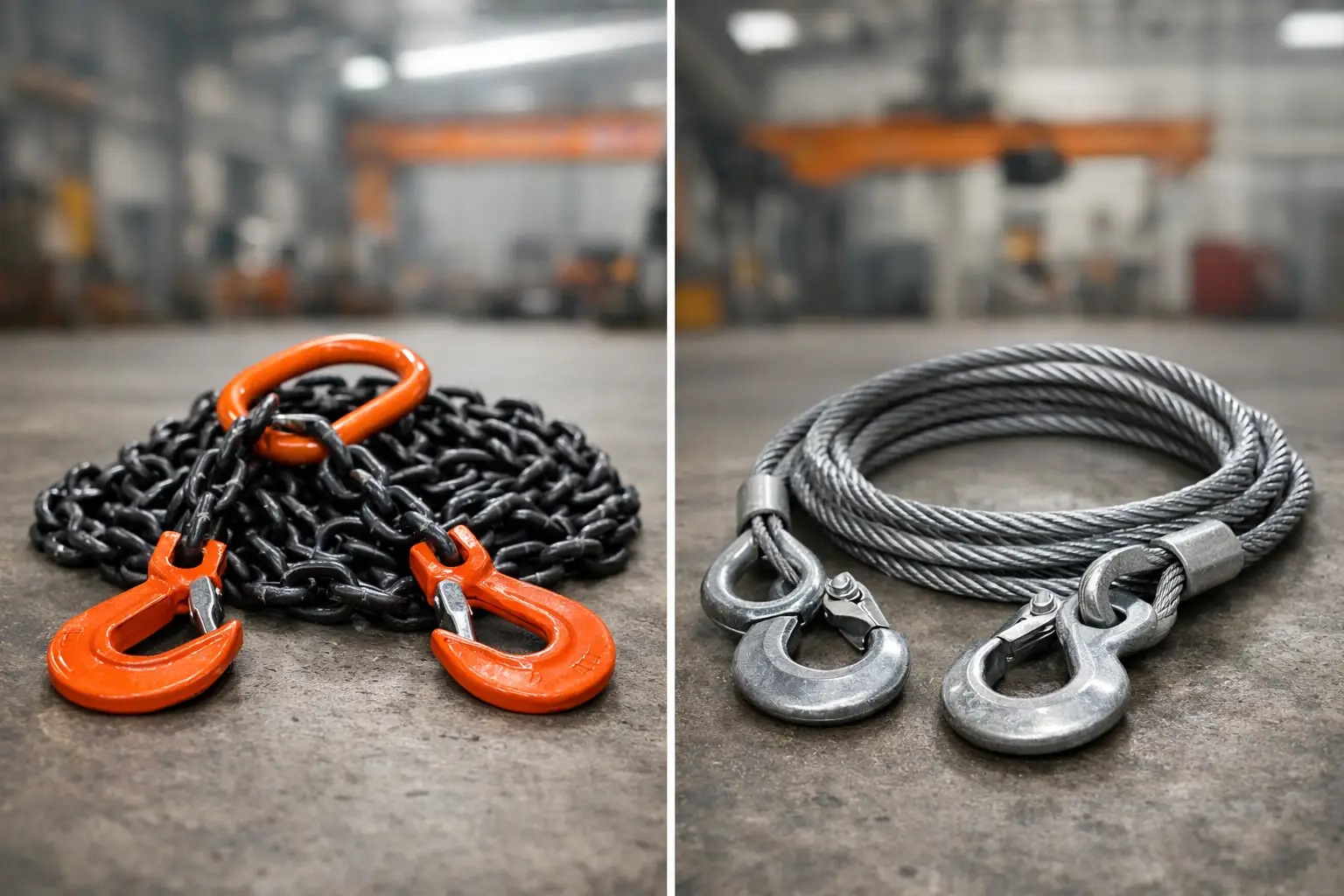
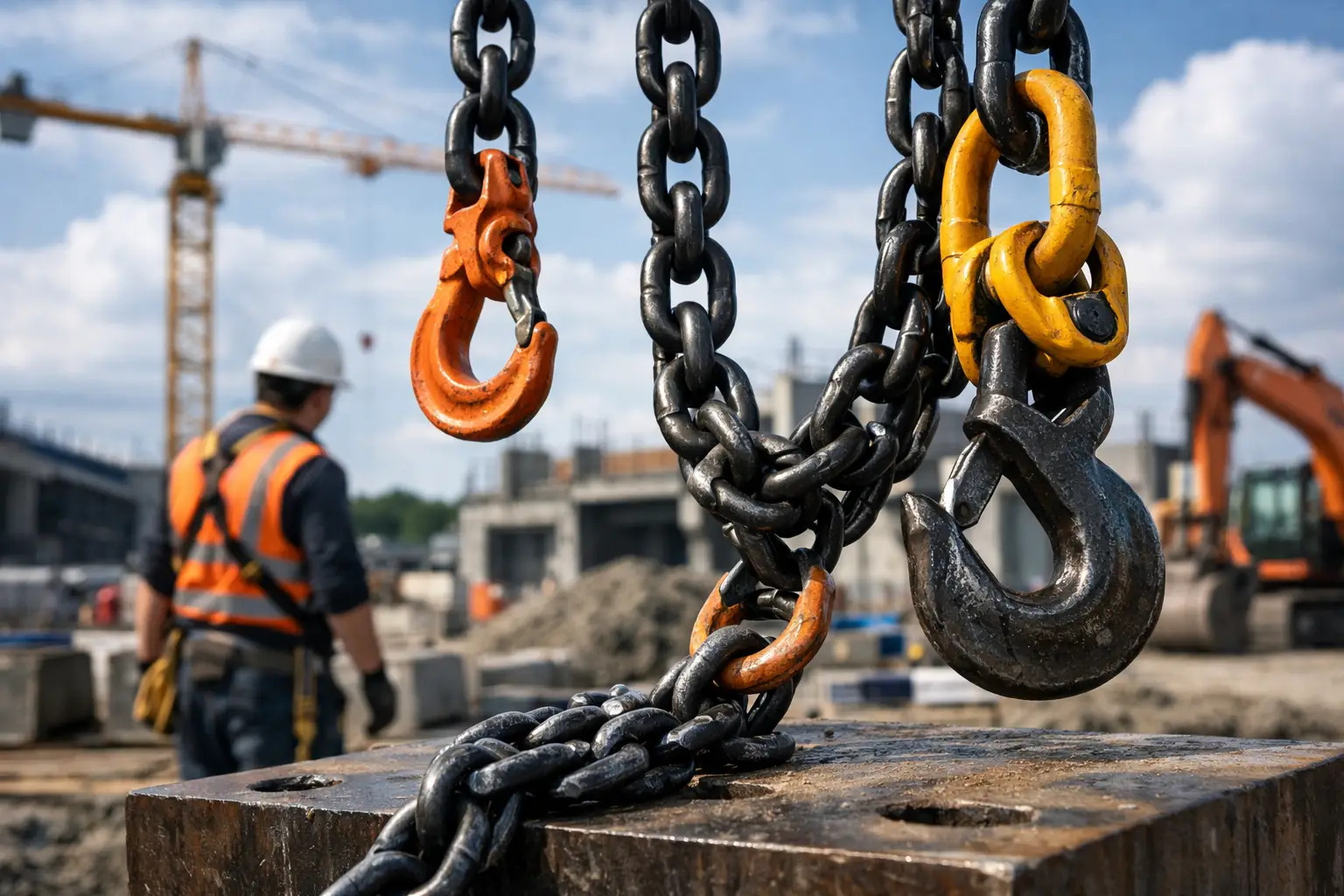
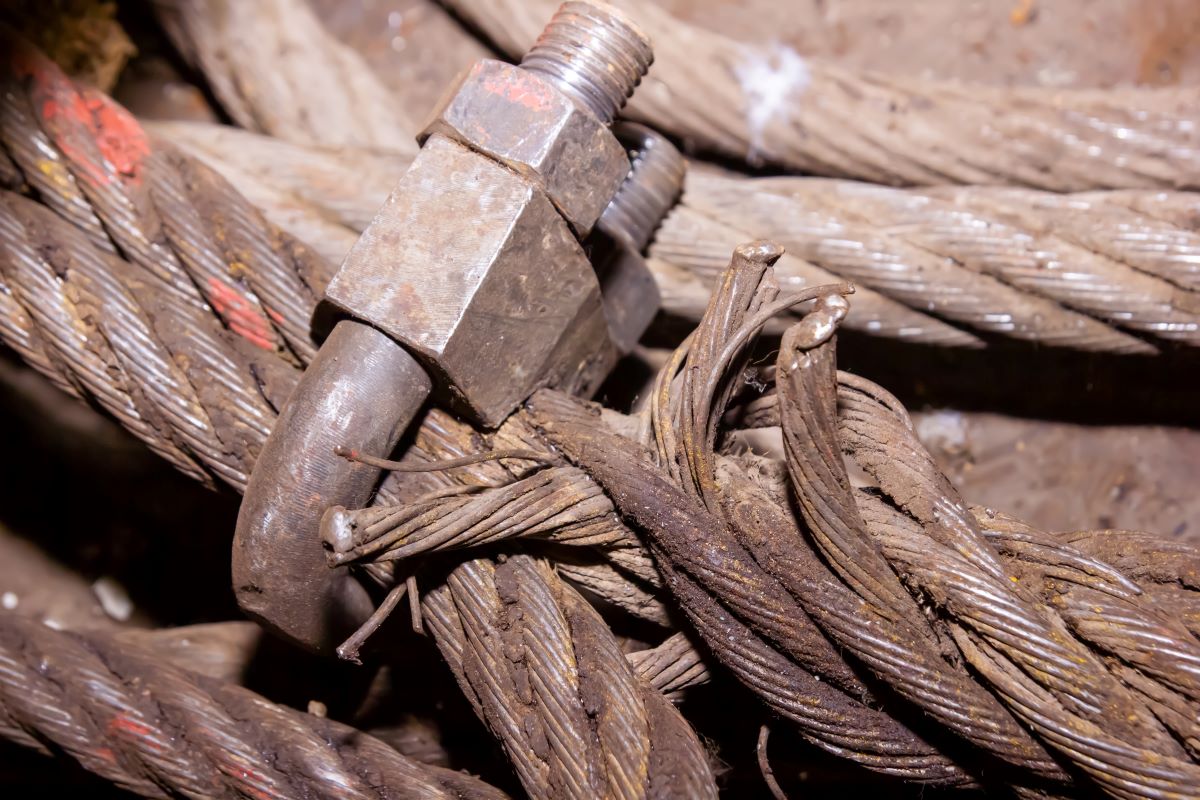
A lever hoist for rigging is often selected for a task that looks simple on the lift plan: pull a load into line, tension a sling arrangement, position machinery, or recover a component in a restricted space. The equipment may be compact, but the operating conditions are rarely forgiving. A hoist that is incorrectly rated, poorly anchored, or used outside its intended line of pull can introduce shock loading, side loading, and loss-of-control risks within minutes.
For marine, offshore, construction, and industrial maintenance teams, the right choice is not simply the highest-capacity unit available. It is a hoist matched to the actual load, travel requirement, rigging geometry, environment, and documentation standard required for the job.
Where a Lever Hoist for Rigging Adds Value
A lever hoist uses a hand lever and ratchet mechanism to lift, lower, tension, or pull a load through a calibrated load chain. Unlike an electric chain hoist, it does not require a power source. Unlike a chain block, it can be operated horizontally or at an angle when the manufacturer permits that application and the rigging arrangement is properly controlled.
This makes it particularly useful where access is limited or precise adjustment is needed. Typical applications include aligning pipe spools, positioning machinery during installation, tensioning cargo-securing arrangements, adjusting lifting slings before a final lift, pulling structural members into position, and handling maintenance components onboard vessels.
The advantage is control. A skilled rigger can make small, deliberate adjustments while monitoring clearances, sling angles, and load movement. That control does not remove the need for a lift plan. It makes correct planning more important, because lever hoists are frequently used in complex, close-quarter work where personnel may be working near the load.
Start With the Actual Working Load
The rated capacity of the hoist must exceed the maximum load it will be expected to handle, including any foreseeable effects from rigging geometry. This point is straightforward in a direct vertical lift. It becomes more involved when the hoist is used for pulling, tensioning, or load positioning.
A diagonal pull creates higher force in the hoist line than the weight of the load alone may suggest. Friction, a load caught on a support, uneven surfaces, snatch effects, and changing angles can all increase line tension. A 1-ton component being pulled across a deck is not automatically a 1-ton hoist application.
The hoist is only one part of the system. The anchor point, shackle, sling, lifting lug, beam clamp, chain, and connecting hardware must all be suitable for the calculated load and direction of force. The weakest rated component governs the working load limit of the arrangement.
Avoid using a lever hoist as an informal substitute for engineered pulling equipment when the actual force is unknown. For controlled alignment work, the load can often be assessed. For stuck loads, recovery work, or loads affected by significant friction, the force may need to be measured or engineered before work begins.
Do Not Plan Around Overload Protection
Some lever hoists are fitted with overload protection, but this is not permission to test a load by force. The feature is intended as a safeguard against unintended overload, not as a routine operating method. If the hoist will not move the load under normal effort, stop and reassess the load path, obstructions, rating, and rigging configuration.
Select Chain Length for the Full Travel
Chain length is a practical selection issue that is often missed during urgent jobs. Measure the required operating travel, then allow for the rigging arrangement, connection points, and the position of the hoist body at the start and end of the movement.
A hoist with insufficient lift may force the team to stop midway and re-rig under load. That adds time and creates unnecessary exposure. Excess chain is usually manageable, provided it is kept clear of moving equipment, sharp edges, and trip hazards. Insufficient chain is not.
For vertical lifting, consider the headroom available once the hoist, top connection, lower hook, and load connection are assembled. In machinery rooms, pump rooms, vessel compartments, and confined industrial areas, the loss of even a small amount of headroom can determine whether the proposed arrangement will work.
Confirm Hooks, Latches, and Load Chain Condition
A lever hoist should arrive with marked identification, a legible working load limit, and hooks that match the intended connection hardware. Hook safety latches should close properly and should never be altered to fit an unsuitable shackle, sling eye, or pad eye.
Do not force a hook onto a connection that loads the hook tip, latch, or point. The load must sit correctly in the hook bowl. If the connection is too large, too narrow, or wrongly oriented, select compatible hardware rather than improvising.
Before each use, inspect the load chain for twists, kinks, corrosion, elongation, heat damage, nicks, and weld spatter. A twisted chain can bind in the hoist and may indicate that the lower hook block has been turned through the chain. It should be corrected before loading. The hand chain or lever mechanism should also be checked for smooth travel, positive braking, and visible damage.
For offshore and marine work, corrosion deserves particular attention. Salt exposure can affect chain links, hooks, latches, pins, and internal mechanisms even when the hoist has been stored between jobs. Equipment built tough for offshore and marine use still requires planned inspection and appropriate storage.
Rig the Hoist in Line With the Load
A lever hoist performs best when the hoist body, chain, and load are aligned with the intended direction of pull. Side loading the hooks, twisting the hoist body, or allowing the chain to run over an edge can damage equipment and make load movement unpredictable.
The anchor point must be capable of taking the load in the applied direction. A lifting point rated for vertical loading may not be suitable for an angled pull. Similarly, a beam clamp must be selected and installed for the beam profile, flange range, and loading direction. The connection should be reviewed as a complete load path, not as a collection of individually rated items.
Where a change in direction is required, use correctly selected sheaves, snatch blocks, or engineered redirect hardware. Do not run the hoist chain around a beam, through a shackle body, or over a sharp structure to create an improvised lead. This can damage the chain and introduce forces that the arrangement was not designed to carry.
Operate With Controlled, Exclusion-Zone Discipline
Before tensioning the hoist, remove slack carefully and check that all connections are seated. Apply load gradually. Watch for movement at the anchor point, shifting of the load, sling bunching, chain twist, or an unexpected increase in lever effort.
No one should stand beneath a suspended load or in the line of tension. This is especially relevant during horizontal pulling, where personnel may instinctively stand alongside the hoist or directly behind the load to guide it. Establish an exclusion zone and use tag lines, spotters, or clear hand signals where needed.
Do not extend the lever handle with a pipe or other improvised device. The handle length is part of the hoist design. Extending it can overload the mechanism or encourage the operator to apply excessive force without recognizing that the load condition has changed.
Lowering requires the same attention as lifting. Maintain control of the lever, lower in small increments where precision matters, and ensure the load is landed on a stable, prepared surface before slack is introduced into the rigging.
Documentation Supports Safe Deployment
For safety-critical work, traceability is part of equipment readiness. Procurement teams and lifting supervisors should confirm that the lever hoist is supplied with clear identification and the documentation required by the project, vessel, client, or site procedure.
Depending on the application, this may include a certificate of conformity, test certification, inspection records, and traceable equipment marking. For project packages involving multiple rigging components, matching the hoist with certified shackles, slings, hooks, and connection hardware simplifies verification at the work front.
C&C International supports rigging requirements with equipment supplied to specification, certified load testing, and documentation for planned maintenance, marine, and project work. Where the hoist is part of a wider arrangement, selecting all components through one accountable technical supplier helps prevent mismatched hardware from reaching the site.
When a Lever Hoist Is Not the Right Tool
A lever hoist is not the answer to every lifting or pulling requirement. Repetitive lifting over significant height may be better served by an electric or pneumatic hoist. Long-distance pulling may require a winch. High-capacity or critical lifts may need purpose-designed lifting systems, engineered lifting beams, or hydraulic equipment.
The decision depends on capacity, duty cycle, travel, operating environment, required precision, and the consequences of a failure. A compact manual hoist is valuable because it gives riggers controlled force where larger equipment cannot easily reach. It should be selected for that purpose, inspected before use, and rigged as part of a complete, rated system.
When the job calls for fine positioning under real field constraints, take the time to confirm the load path before the first lever stroke. That is where a properly selected hoist earns its place in the rigging kit.