A vessel alongside with a failed mooring line, an overdue lifting gear replacement, or a cargo-securing shortfall does not have time for fragmented purchasing. The best ship supply Singapore partner is not simply the supplier with the longest catalog. It is the partner that can confirm the specification, prepare equipment for use, provide the required documentation, and deliver a clear answer before vessel operations are affected.
For marine superintendents, port captains, procurement teams, and offshore project leaders, ship supply decisions carry operational consequences. A shackle without traceability, a wire rope cut without the correct termination, or a ladder fabricated without suitable design details can create delays far beyond the initial purchase price. The right supplier reduces those risks by combining product availability with technical processing, inspection, certification, and responsive support.
How to assess the best ship supply Singapore partner
Start with the actual job, not the product name. A request for wire rope, chain, webbing sling, or mooring rope should lead to questions about load, configuration, environment, connection points, inspection requirements, and intended service life. Those details determine whether the supplied equipment is suitable for the work and whether its documentation will stand up to owner, class, client, or site scrutiny.
A capable ship supplier should be able to support both planned procurement and short-notice replacement needs. Planned work allows time for detailed review, custom fabrication, load testing, and delivery coordination. Urgent requirements demand disciplined stock control, fast technical clarification, and the ability to process equipment without compromising specification or records.
The following factors separate a basic distributor from an accountable operational partner.
Technical fit must come before availability
Stock availability matters, especially during port calls and shutdown work. However, equipment that arrives quickly but does not match the required working load limit, diameter, grade, end fitting, or length is not a solution. It may create rework, additional inspection, or a last-minute replacement order.
For wire rope applications, confirm the construction, diameter, lay, finish, minimum breaking force, and required termination. A marine towing application, a crane hoist line, and a general-purpose lashing requirement may all use wire rope, but their operating conditions are very different. Where a rope must be supplied with sockets, thimbles, ferrules, or other end terminations, it should be cut and swaged to specification rather than treated as a generic coil of material.
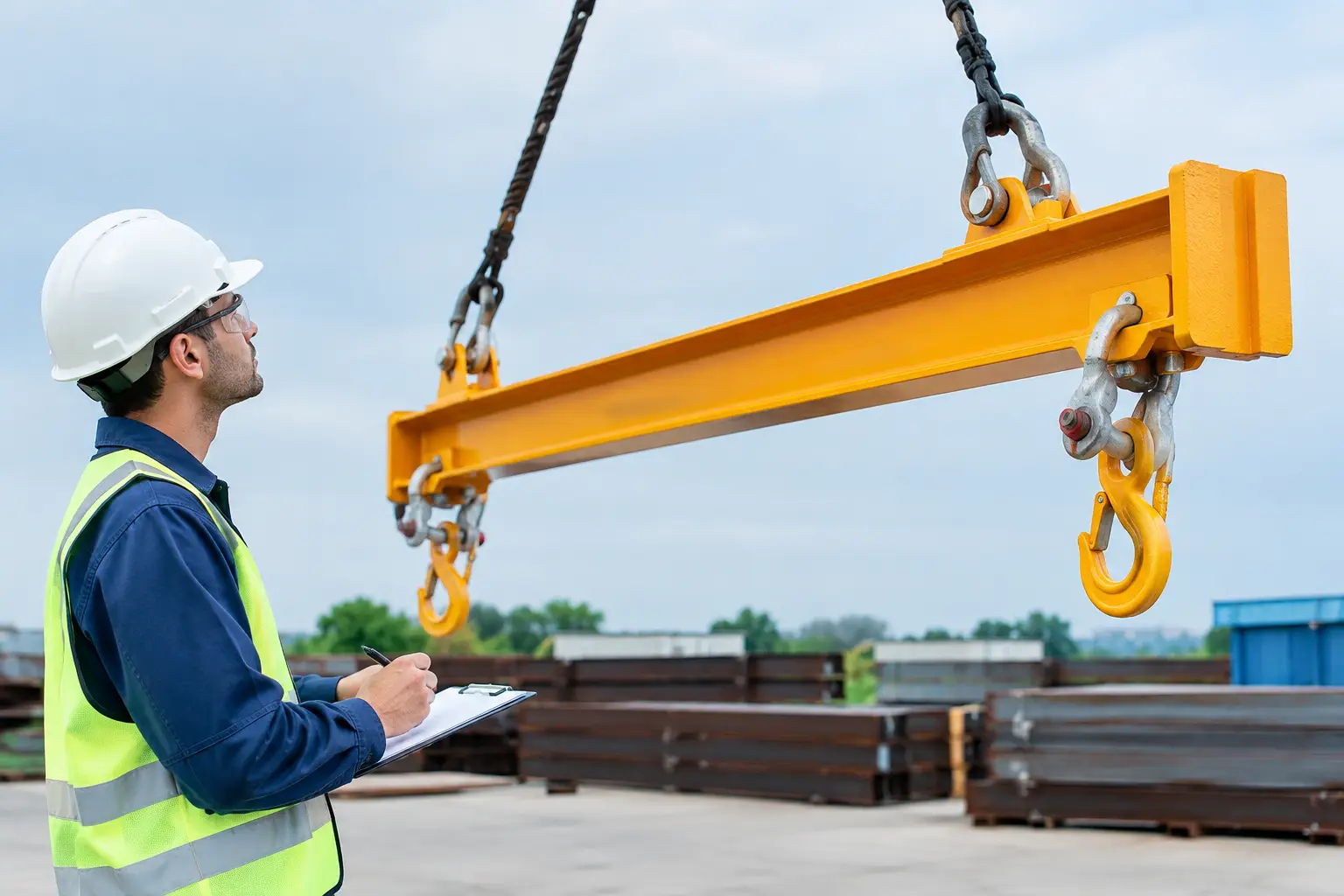
The same principle applies to lifting hardware. Shackles, hooks, turnbuckles, chain slings, lifting clamps, and hoists must be selected as part of a working assembly. Pin type, bow or D configuration, alloy grade, connection geometry, and working load limit all affect whether components can be safely used together. A supplier should identify incompatibilities before equipment reaches the deck, workshop, or job site.
Documentation is part of the delivery
For safety-critical marine equipment, paperwork is not an administrative extra. Certificates, test records, inspection information, and traceability documents provide evidence that the equipment supplied matches the requirement. They also give the vessel or project team a basis for future inspection and replacement planning.
The required document set depends on the item and application. A routine hardware purchase may require product identification and manufacturer documentation, while a custom lifting sling or wire-rope assembly may require load-test certification and detailed assembly records. Some projects also require PE-endorsed documentation, particularly where engineered design, installation, or site acceptance is involved.
Procurement teams should clarify documentation requirements at the quotation stage. Waiting until goods are ready for collection can lead to avoidable delays, particularly if testing, endorsement, or additional inspection must be arranged. The best suppliers make the deliverables clear: what will be tested, what certificates will be issued, what markings will be provided, and what lead time applies.
Ship supply is strongest when processing is in-house
A broad product range is useful, but operational value often comes from what happens after an item is selected. In-house processing gives a ship supply provider greater control over turnaround, quality checks, and configuration accuracy.
For example, wire-rope spooling, cutting, and swaging allow assemblies to be supplied at the required length with the correct end treatment. Custom fabrication can produce access nets, safety nets, pilot ladders, cargo nets, and other job-specific items to agreed dimensions. Load testing confirms that selected equipment or assemblies have been tested before deployment, rather than leaving critical preparation to the vessel crew or an unrelated third party.
This integrated approach is especially valuable for offshore and marine maintenance work. A project may require a combination of slings, shackles, chain, snatch blocks, rope accessories, and temporary lifting equipment. If each component comes from a separate source, the operations team must manage multiple delivery schedules, certificates, and technical queries. One accountable supplier can simplify coordination while ensuring that the equipment package is configured for the intended task.
There is a trade-off. Custom work and certification take time, and they should not be assumed to be available instantly for every product or configuration. The practical approach is to identify recurring requirements early, establish approved specifications, and keep a replacement plan for high-use equipment. That preparation makes urgent response faster when it is genuinely needed.
Look beyond deck stores and consumables
Ship supply is often associated with routine vessel stores. Those items remain necessary, but many operational risks sit in more specialized equipment categories. Mooring systems, lifting tackle, cargo-securing gear, access equipment, and stainless-steel hardware require a higher level of technical review because failure can affect people, vessel schedules, and cargo integrity.
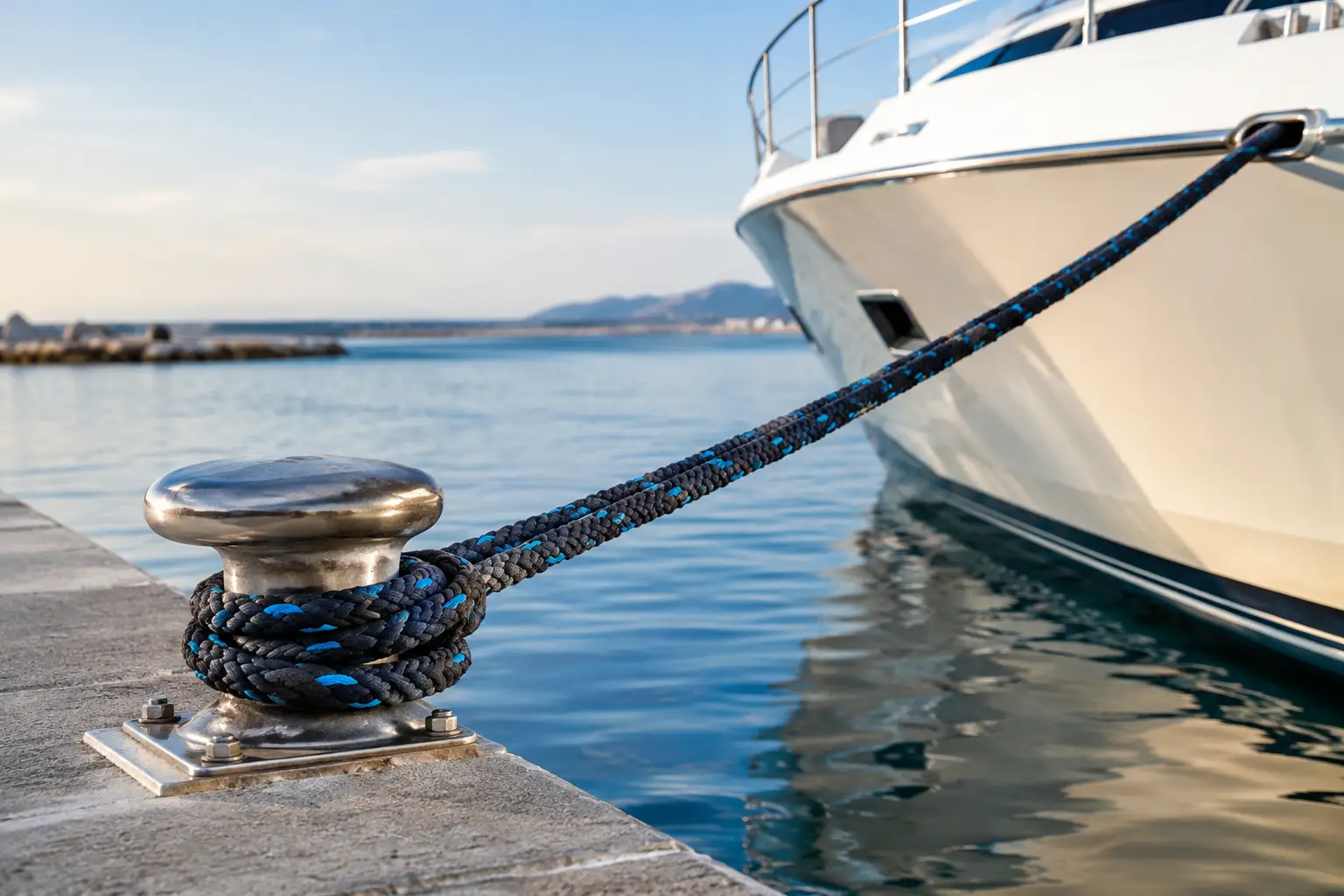
Mooring rope selection is a clear example. Steel wire rope, synthetic rope, and natural-fiber rope each have different characteristics in handling, abrasion resistance, elongation, weight, and environmental exposure. The appropriate choice depends on the vessel arrangement, operating method, line handling equipment, and duty cycle. A low upfront price can be misleading if a rope is poorly matched to its service conditions and requires premature replacement.
Cargo-securing equipment must also be treated as a system. Lashing chains, turnbuckles, tensioners, wire lashings, clamps, and related fittings need compatible ratings and correct application. Using a higher-rated component alongside a lower-rated connection does not increase the capacity of the assembly. The lowest-rated suitable component and the installation arrangement determine the working limit.
For access equipment, details such as material selection, attachment points, rung or step construction, net mesh, and intended loading should be confirmed before fabrication. Marine conditions are unforgiving of assumptions. Salt exposure, motion, frequent handling, and limited storage space all influence the design and expected service life of ladders and nets.
Field support can prevent a small issue from becoming downtime
Some requirements cannot be fully resolved from a purchase order or a photograph. An onsite assessment may be needed to verify measurements, installation points, reeving arrangements, or the condition of existing equipment. This is where field support and experienced rigging personnel add real value.
Onsite installation is useful when new wire ropes must be fitted, lifting assemblies need to be positioned, or access equipment must be installed to suit the actual work area. It also provides an opportunity to identify issues that may not be visible during remote planning, such as restricted access, unsuitable connection points, or incompatible existing hardware.
Equipment rental can be equally practical for short-duration lifting, maintenance, and recovery work. Renting hoists, lifting gear, or related equipment may be more economical than purchasing equipment that will sit idle after a project. The decision depends on duration, utilization, certification requirements, and whether the equipment is likely to become part of recurring maintenance activity.
Build a supplier relationship before the emergency call
The strongest ship supply arrangements are built before an urgent requirement arises. Share recurring vessel specifications, approved equipment preferences, documentation standards, and typical port-call constraints with the supplier. This gives them a better basis to prepare quotations accurately and propose suitable alternatives when an exact item is unavailable.
It is also worth reviewing frequently replaced equipment. Wire ropes, mooring lines, slings, shackles, cargo lashings, and access nets should not be ordered only after visible deterioration or failure. Planned inspection intervals, replacement triggers, and standard configurations can reduce rushed purchasing and improve consistency across vessels or project sites.
C&C International Trading supports this approach by combining marine and industrial supply with wire-rope processing, load testing, custom fabrication, certification support, and onsite rigging services. The objective is straightforward: provide equipment that is ready for the actual job, with the records and technical support needed to put it into service responsibly.
When selecting a ship supply partner, ask whether they can do more than deliver a box. The supplier that understands the load, the environment, the paperwork, and the operational deadline is better positioned to keep work moving safely when the next requirement arrives.