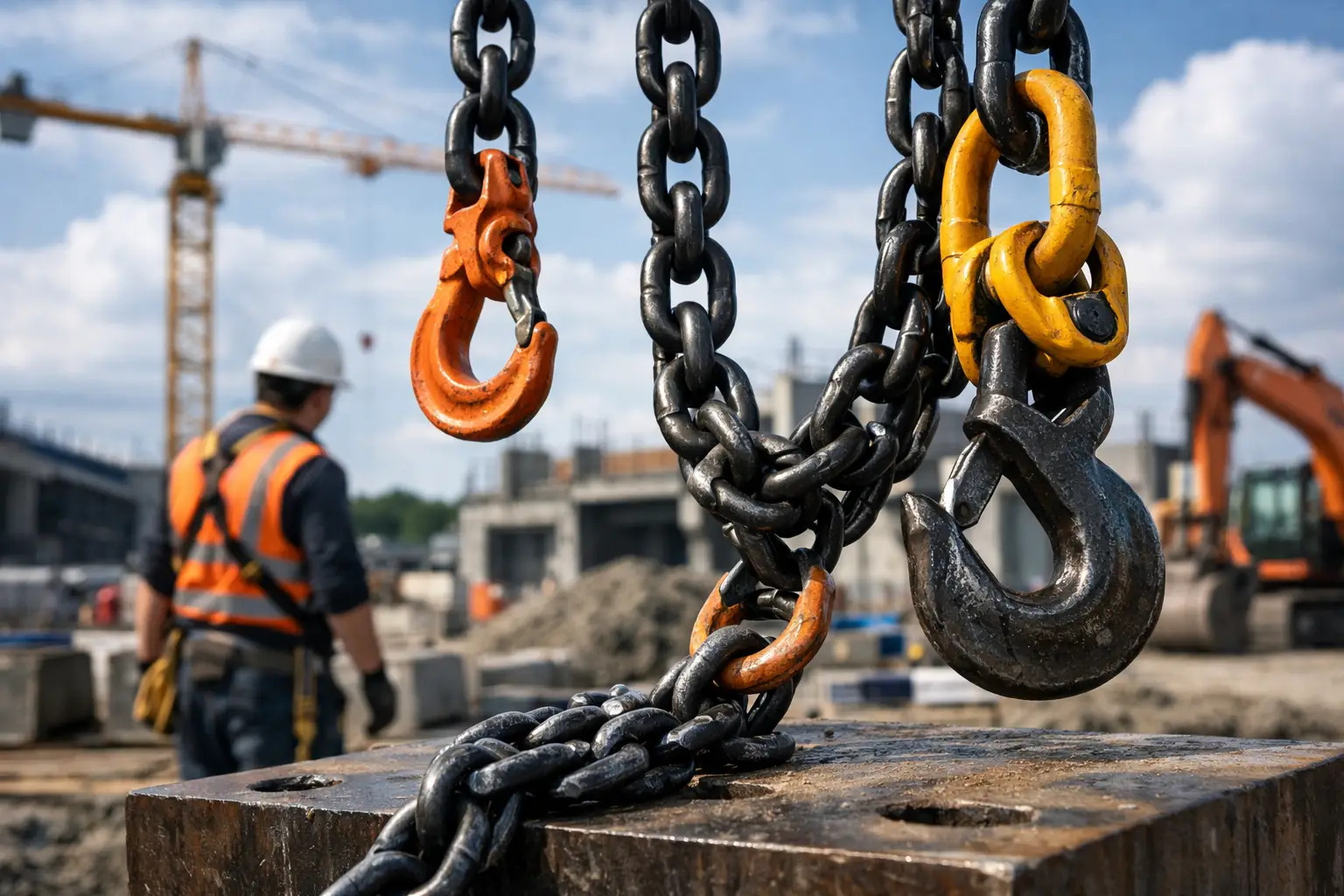
A shackle can be a small component in a heavy-lift arrangement, but it is often the connection that determines whether the rigging is correctly configured. Knowing how to choose lifting shackles means looking beyond size and nominal capacity. The shackle must suit the load path, sling geometry, connection hardware, environmental exposure, and documentation requirements of the specific lift.
A correctly selected shackle supports a controlled lift. A wrongly selected one can introduce side loading, pin interference, reduced capacity, or an undocumented substitution that stops work at inspection. For marine, offshore, construction, and cargo-handling operations, selection should begin with the approved lifting plan, not with what happens to be available in the rigging store.
Start With the Load and the Rigging Configuration
The first figure to establish is the maximum load the individual shackle will carry in the actual arrangement. This is not always the total weight of the item being lifted. In a two-leg or multi-leg sling assembly, leg angles, load distribution, center-of-gravity position, and unequal leg lengths can significantly increase the force on each connection point.
Use the working load limit, or WLL, marked on the shackle as the governing rated capacity. Never use breaking strength, proof-load values, or an assumed safety factor as a substitute for WLL. The selected shackle must have a WLL equal to or greater than the calculated load imposed on it, including any applicable dynamic effects identified in the lift plan.
For routine lifts, the calculation may be straightforward. For offshore transfer, vessel movement, lifting from a crane barge, or recovering equipment under tension, the loading can be less predictable. Those conditions may require additional engineering review, a higher-capacity configuration, or equipment selected specifically for dynamic service.
Choose the Right Shackle Body Shape
The two common lifting shackle profiles are bow shackles and D shackles, also called chain shackles. Their shapes affect how they accept connected components and how forces travel through the body.
Bow shackles for multiple connections
A bow shackle has a wider, rounded body. It is generally the better choice where several components must connect at one point, such as two sling eyes to a master link, a lifting lug, or a hook. The larger internal area provides room for properly seated sling eyes and can better accommodate multiple-leg arrangements.
That wider body does not permit uncontrolled loading. The sling eyes, hook, or link must sit naturally in the shackle bowl without crowding the pin, bearing against the shackle sides, or forcing the body out of alignment. A bow shackle is commonly used for angled loading configurations, but only within the manufacturer’s stated limitations.
D shackles for straight-line loading
A D shackle has a narrower body and is intended primarily for in-line loading. It can be a practical choice for connecting a single sling, chain, or wire rope termination where the load is direct and there is no need to accommodate several components.
Do not select a D shackle simply because it is compact. If two sling eyes are forced into a narrow body, they may pinch, load the pin incorrectly, or create side loading. Where connection geometry is uncertain, verify the actual dimensions of each rigging component before issuing the equipment.
Select the Pin Type for the Job
Pin selection is a working-control decision as much as a hardware decision. The two common options serve different operating conditions.
A screw-pin shackle is suitable for temporary, non-permanent connections where the pin can be inspected regularly and the shackle is not expected to rotate under load. It allows fast assembly and disassembly, which is useful during routine lifting, maintenance, and controlled site work. The pin must be fully engaged, hand-tightened, and secured in accordance with the manufacturer’s instructions. It should not be backed off to align the hole or improve fit.
A bolt-type shackle uses a bolt, nut, and retaining cotter pin or similar positive locking arrangement. It is generally preferred for long-term installations, applications exposed to vibration, or lifts where pin rotation could be a concern. Marine and offshore operations often favor this configuration when the connection will remain assembled for an extended period or be subject to movement and repeated handling.
Do not replace an original shackle pin with a bolt, rod, or pin from another shackle. The pin is part of the certified assembly. A mismatched replacement can alter fit, material properties, and rated performance.
Check Fit, Orientation, and Side-Load Limits
A shackle can have adequate WLL and still be wrong for the connection. Check the pin diameter, jaw opening, body width, and internal dimensions against the sling eyes, padeye, master link, hook, or chain link it will connect.
The load should be centered in the shackle body. A lifting lug should bear on the pin rather than wedge against the shackle ears. A sling eye should not be so tight around the pin that it cannot align under load. Hooks should not tip or point-load the shackle body. If a connection requires force to assemble, it is likely not the right combination.
Side loading deserves particular attention. Shackles are generally rated for in-line loading, and capacity may reduce when the load is applied at an angle. Permitted side loading and reduction factors vary by manufacturer and shackle design. Use the manufacturer’s load-angle guidance and the project lifting procedure rather than applying a generic rule across different products.
When two sling legs are connected to a shackle, ensure they are arranged symmetrically and the resultant force acts through the shackle centerline. An offset load can twist the body, bend the pin, or shift force onto one ear. If the arrangement cannot be centered, a different connection method, spreader beam, master link, or engineered lifting point may be required.
Match Material and Finish to the Environment
For general lifting, alloy steel shackles are widely used because they provide high strength in a compact component. For corrosive marine environments, material selection and protective finish require closer attention. Galvanized or coated steel may suit many exposed applications, while stainless steel hardware can be appropriate for certain corrosion-sensitive uses.
Material alone does not establish lifting suitability. A stainless-steel shackle is not automatically a rated lifting shackle, and a corrosion-resistant finish does not remove the need for inspection. Confirm the item’s WLL, markings, standard of manufacture, and intended service before it enters a lifting assembly.
Consider the full exposure profile: salt spray, chemical contact, temperature, abrasive cargo, submerged service, and storage practices. Corrosion can hide in thread areas, under pins, and around bearing surfaces. For equipment used at sea, cleaning, lubrication where permitted, and controlled storage are part of maintaining serviceability.
Verify Markings, Certification, and Traceability
A lifting shackle should be permanently marked with information that supports identification and inspection. Depending on the product and applicable standard, this can include the WLL, size, manufacturer identification, traceability code, and product designation.
For safety-critical work, procurement should specify the documentation required before delivery. This may include a certificate of conformity, material or test certificates, load-test records where specified, and traceable identification matched to the supplied hardware. Requirements differ by client, flag state, class, site rules, and local regulations, so documentation should be confirmed before the equipment is needed at the work front.
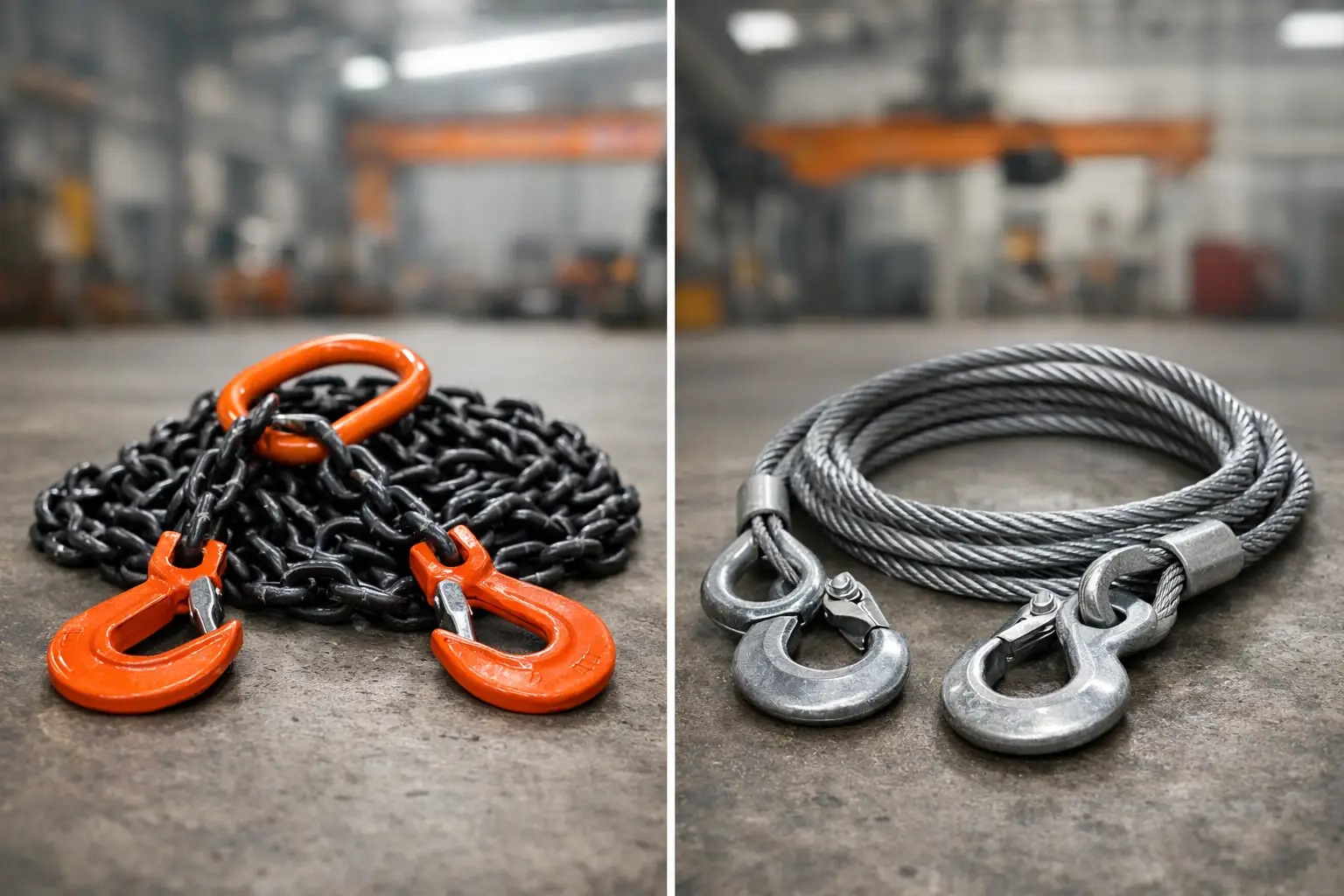
C&C International can supply lifting hardware configured to project requirements, with certified load testing and full documentation, including PE-endorsed records where required. This is especially useful when a lift requires more than standard off-the-shelf hardware, such as matched slings, swaged wire-rope assemblies, and certified connection components delivered as one controlled package.
Inspect Before Every Use
Selection does not end when the shackle arrives on site. The appointed person or competent inspector should confirm that the marking is legible, the pin is original and fully engaged, and the body is free from distortion, cracking, excessive wear, gouging, corrosion, heat damage, or unauthorized weld repair.
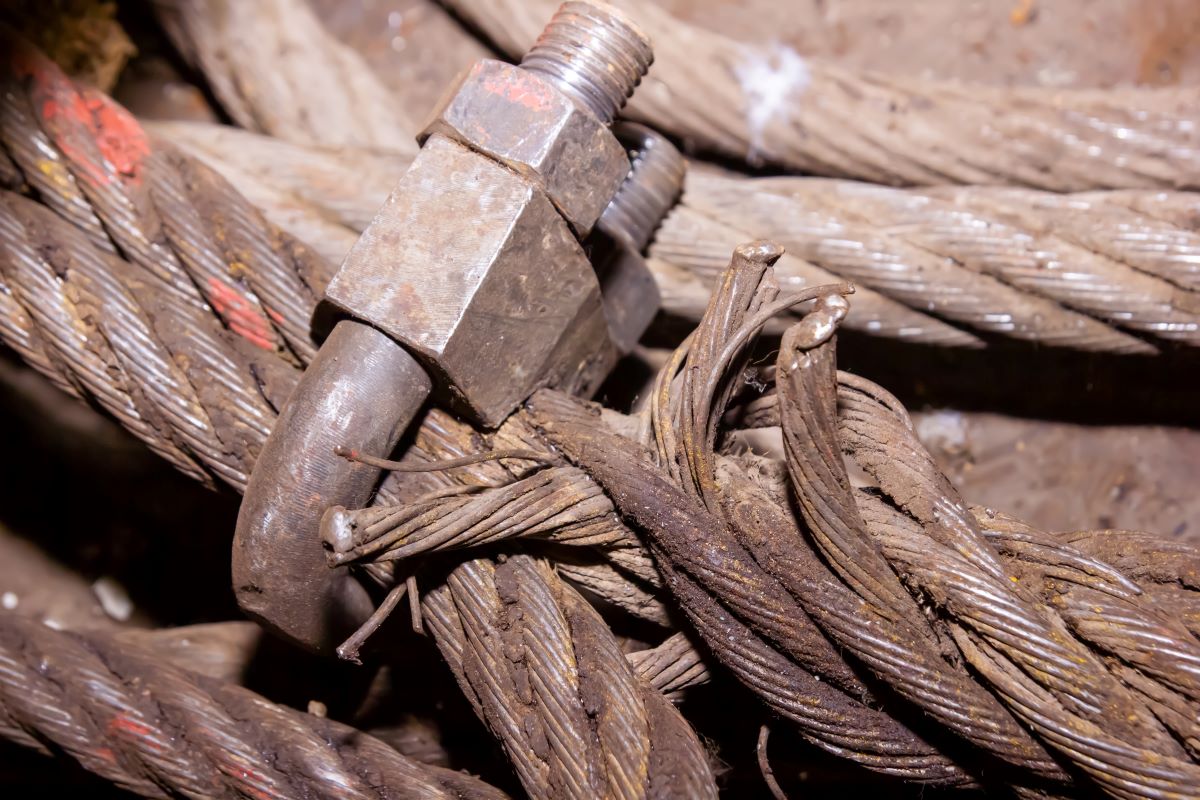
Remove a shackle from service if it shows bent ears, a spread jaw, damaged threads, a bent pin, significant wear, or unreadable identification. Do not attempt to straighten, weld, machine, or repair lifting shackles in the field unless a manufacturer-approved process and competent authority specifically permit it.
Routine pre-use checks should sit alongside formal periodic inspection. The exact interval depends on use frequency, operating environment, company procedures, and applicable regulations. A shackle used daily in saltwater exposure needs more scrutiny than one stored indoors for occasional maintenance lifting.
Make the Shackle Part of the Lift Plan
The best way to choose lifting shackles is to treat them as engineered links in a complete system, not interchangeable accessories. Review the lifted weight, lifting points, sling angles, connection clearances, WLL, pin retention, environmental exposure, and required certification together.
When the connection is difficult to assess from a catalog dimension alone, provide the rigging layout, component sizes, and operating conditions for technical review before mobilization. A shackle that fits correctly, carries the calculated load within its rating, and arrives with the required records gives the lifting team something more valuable than a spare part: a connection they can trust when the load leaves the ground.