A chain sling can look serviceable right up to the point it is asked to carry an off-center load, work at an unfavorable sling angle, or operate in a corrosive marine environment. That is why alloy chains should be selected as a complete lifting system, not as a length of chain with fittings added afterward. Grade, diameter, configuration, working load limit, end components, traceability, and inspection requirements must all match the work being performed.
For lifting supervisors, vessel operators, and procurement teams, the objective is straightforward: specify chain assemblies that arrive ready for service, supported by clear certification and matched to the actual load path. Getting this right protects personnel, cargo, equipment, and project schedules.
Start With the Job, Not the Chain Grade
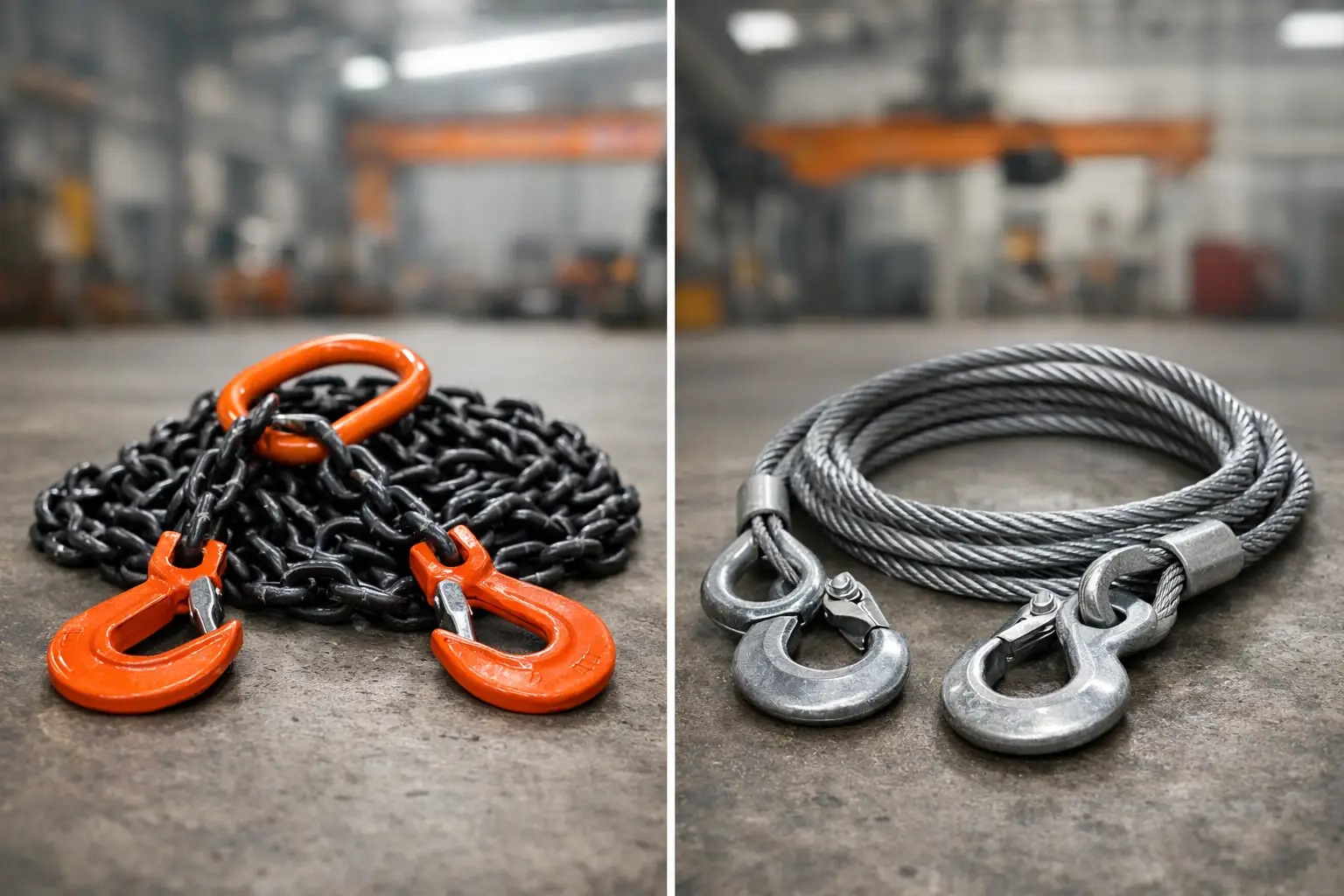
Alloy steel lifting chain is commonly used where a tough, compact, adjustable lifting solution is needed. It is widely applied in construction, fabrication yards, ports, cargo handling, offshore support, industrial maintenance, and marine supply. Compared with wire rope slings, chain slings tolerate abrasion and higher working temperatures better in many applications. They can also be shortened using approved shortening components when the load requires different leg lengths.
That does not make chain the answer to every lift. Chain is heavier to handle than many synthetic sling options and can damage finished surfaces if used without protection. It also requires disciplined inspection because damage to a single link, hook, or coupling can affect the capacity of the whole assembly.
The first questions should be operational. What is the maximum load? Is the lift vertical, choked, basketed, or multi-leg? Will the load have sharp edges? Is there a requirement to adjust leg length? Will the assembly be exposed to salt spray, chemicals, heat, or continuous outdoor storage? These details determine whether alloy chain is suitable and, if it is, what configuration is needed.
Alloy Chain Grades and What They Mean
For overhead lifting, Grade 80 and Grade 100 alloy chain are common selections. Grade 80 is a proven lifting-chain standard with broad use across industrial and marine applications. Grade 100 provides a higher working load limit for a given diameter, which can reduce sling weight or allow a more compact assembly where handling space is limited.
A higher grade is not automatically the better choice. Grade 100 components must be compatible with the chain and assembly design, and replacement parts must match the required grade and manufacturer specifications. Availability, fleet standardization, lead time, and the operating environment can all influence the practical selection.
Most importantly, chain grade is not the same as working load limit, or WLL. The WLL depends on the chain diameter and sling configuration. A single-leg sling, two-leg sling, three-leg sling, and four-leg sling do not carry the same rated load. Sling angle further changes the force imposed on each leg. As the angle from the horizontal becomes smaller, leg tension rises quickly.
This is a common point of failure in lift planning. A two-leg sling does not simply double the vertical capacity of one leg. The load must be evaluated using the applicable sling-angle factors and the manufacturer’s rated capacity chart. Where load distribution is uncertain, particularly with multi-leg slings connected to uneven lifting points, the assembly should be selected conservatively.
Configure the Assembly Around the Load Path
A chain sling is only as capable as its lowest-rated or incorrectly used component. The master link must suit the crane hook. Sling hooks must fit the load connection without point loading. Couplers, shortening clutches, connecting links, and load pins must be rated, correctly installed, and compatible with the chain size and grade.
Hooks deserve particular attention. A hook should not be forced over a pad eye, shackle bow, or lifting lug that is too large for its throat. Tip loading and side loading can reduce capacity and distort the hook. When a direct hook connection is unsuitable, a correctly rated shackle or other approved connecting component may be required.
For uneven or awkward loads, adjustable chain legs can provide valuable control. However, shortening must be done with purpose-designed shortening hooks or clutches. Never shorten a sling by tying knots, wrapping chain around a hook, or placing links in an unapproved position. Those practices change the load path and can introduce stresses the assembly was not designed to handle.
Separate Lifting Chain From Lashing Chain
Chain is also used for cargo securing, towing-related work, and restraint applications. These uses must not be confused with overhead lifting. A lashing chain may be suitable for securing cargo under transport loads but not rated or configured for lifting suspended loads.
The tag, markings, certificate, and accompanying documentation should make the intended use clear. Procurement teams should avoid generic descriptions such as “heavy-duty chain” when raising a purchase request. State whether the requirement is for lifting, lashing, mooring-related use, or another application, then specify the required capacity, length, fittings, and certification standard.
This distinction matters in port and vessel operations, where equipment may be moved between teams or stored in shared areas. Clear identification reduces the risk that a restraint assembly is picked up for a lifting task simply because it appears substantial.
Marine Exposure Requires More Than a Higher Capacity
Alloy chain is built for demanding work, but marine exposure changes the maintenance requirement. Saltwater, wet storage, coating damage, and contact with dissimilar metals can accelerate corrosion. Corrosion is not merely a cosmetic issue. Pitting and material loss can reduce section thickness and make inspection findings harder to assess.
For shipboard and offshore use, consider how the chain will be stored, cleaned, and inspected between jobs. Dry, ventilated storage and protection from standing water help preserve the assembly. Chain should not be left in contact with seawater-contaminated decks or chemical residues longer than necessary. After exposure, cleaning and drying are practical controls that reduce avoidable deterioration.
Do not assume stainless steel hardware and alloy lifting chain can be mixed freely because both are corrosion resistant in some settings. Material compatibility, ratings, and approved component combinations still apply. The appropriate answer depends on the duty cycle, exposure, required capacity, and the manufacturer’s recommendations.
Inspection Is Part of the Lifting Operation
A pre-use visual check should happen before every lifting operation. Formal periodic inspection should follow the applicable regulations, site procedures, and service conditions. Equipment used frequently, exposed to harsh environments, or subjected to severe loading may require more frequent examination than equipment held for occasional controlled use.
Remove a chain sling from service and arrange competent assessment if any of the following conditions are found:
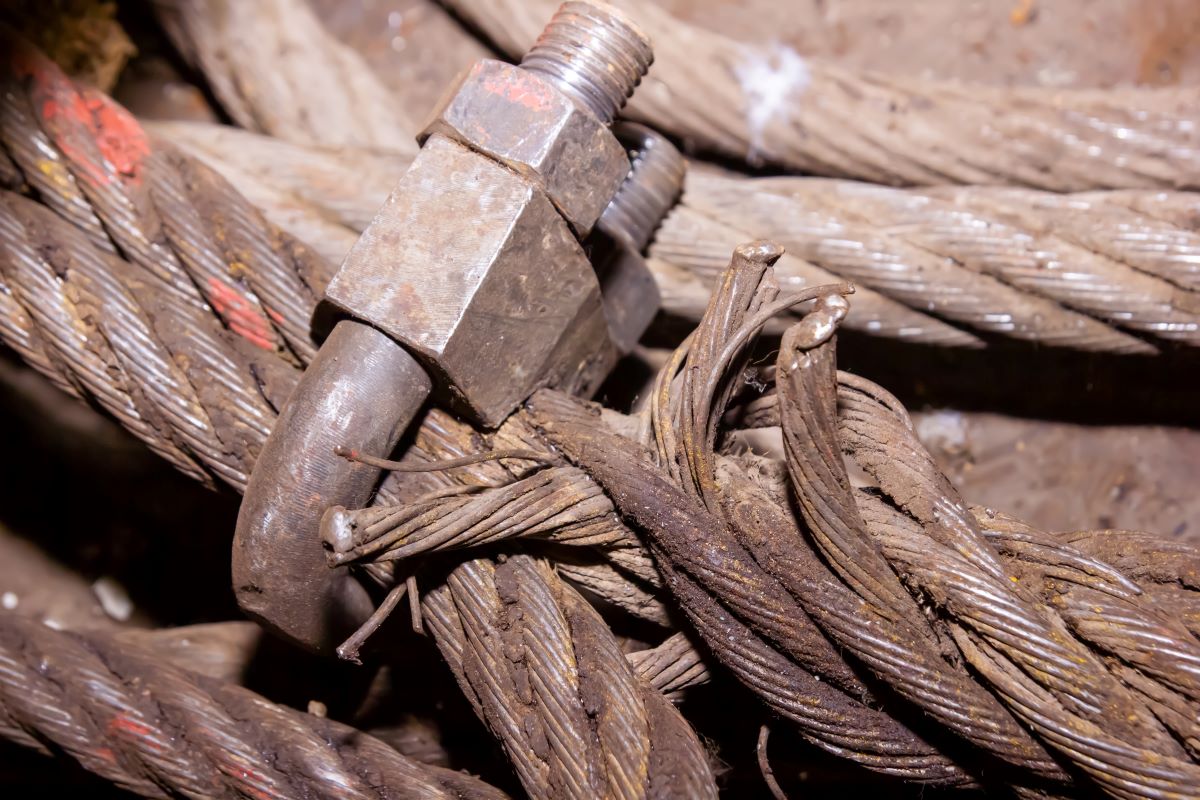
- Stretched, bent, twisted, cracked, gouged, or heavily worn chain links
- Excessive corrosion, pitting, heat damage, weld spatter, or unauthorized repair
- Hook throat opening, twisting, latch damage, or signs of point loading
- Damaged master links, couplers, shortening devices, or connecting hardware
- Missing identification tags, unreadable markings, or incomplete certification records
A tag is not paperwork for paperwork’s sake. It connects the physical sling to its WLL, configuration, serial identification, inspection history, and test documentation. If the tag is missing or illegible, the user cannot reliably confirm the assembly’s rated capacity or intended configuration. The safe response is to quarantine it until it can be identified and assessed.
Do Not Repair by Improvisation
Field repairs to alloy lifting chain should never be improvised. Welding, heating, straightening, or replacing components without an approved repair process can alter material properties and invalidate the chain’s rating. Repairs, if permitted, should be completed by a competent provider using approved parts and followed by the necessary inspection, testing, and documentation.
This is where a technical supplier adds operational value. A job-ready chain sling may require chain cut to length, fittings assembled to specification, proof-load testing where required, certification, and documentation reviewed for the client’s project or vessel records. C&C International Trading supports these requirements with certified load testing and traceable documentation for configured lifting equipment.
Specify Alloy Chains Clearly at Purchase Stage
A complete purchase specification avoids delays and unsuitable substitutions. State the chain grade and diameter, required sling type, number of legs, effective working length, end fittings, WLL at the intended sling angle, and the required documentation. Include operating conditions such as offshore exposure, elevated temperature, abrasive contact, or restricted crane-hook dimensions.
If the lift plan is still being developed, provide the load weight, lifting-point arrangement, dimensions, center of gravity information, and proposed lifting method. That gives the supplier and lifting team enough information to identify where a different configuration, larger hook, protective sleeve, or alternative sling type may be needed.
The right chain sling is not simply the one with the highest stated capacity. It is the assembly that fits the load, works within the planned lifting geometry, can be inspected in service, and reaches site with the records needed for safe release. Specify early, verify before use, and treat every link in the assembly as part of the safety system.