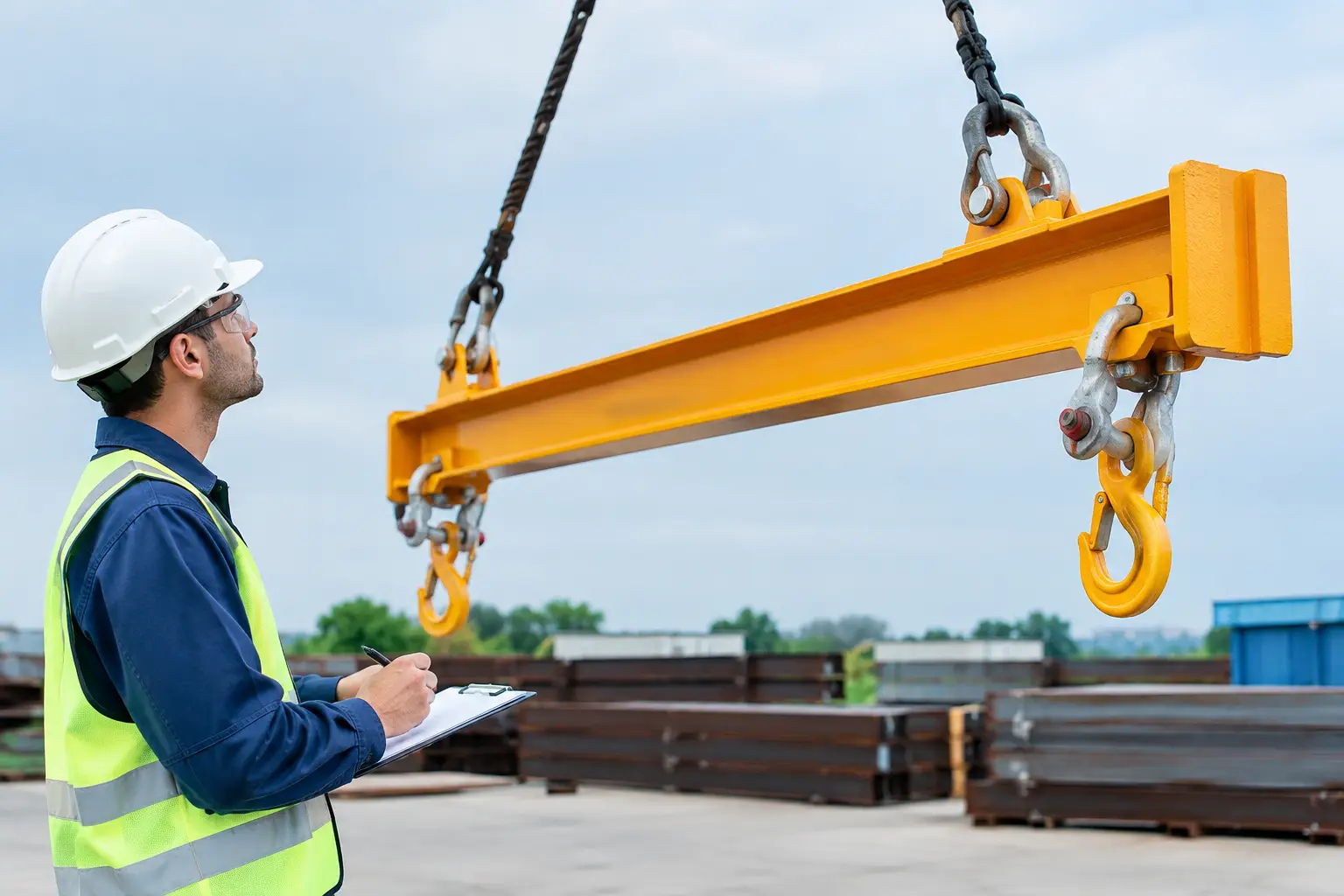
A delayed sling certificate, an incorrectly terminated wire rope, or a missing shackle pin can stop an offshore mobilization long before the vessel reaches the worksite. For project teams, the challenge is not simply sourcing equipment. It is receiving the correct equipment, configured for the actual lift, mooring, access, or cargo-securing task, with documentation that can be checked quickly and trusted in the field.
Offshore work compresses schedules, increases handling demands, and leaves little tolerance for substitutions. Equipment may move from a yard to a supply vessel, then to a platform or offshore construction site, often through multiple handovers. Each stage needs clear accountability. The most effective mobilizations treat lifting and marine hardware as a controlled package, not a collection of items purchased at the last minute.
What Offshore Mobilization Requires
Mobilization begins with a clear equipment schedule tied to the work scope. That schedule should identify the working load limit, dimensions, material grade, connection type, environmental exposure, certification requirement, and required delivery date for every critical item. For lifting gear, it should also reflect the planned rigging arrangement, sling angles, load characteristics, and whether the equipment will be used in a personnel exclusion zone or near sensitive assets.
This level of detail matters because equipment that appears similar may not be interchangeable. A shackle with the wrong bow size may not accept the specified sling eye. A wire rope sling may have adequate nominal capacity but the wrong length for the lift geometry. A chain assembly may require a specific master link to connect safely to the crane hook. These are field issues, not paperwork issues, and they are best resolved before dispatch.
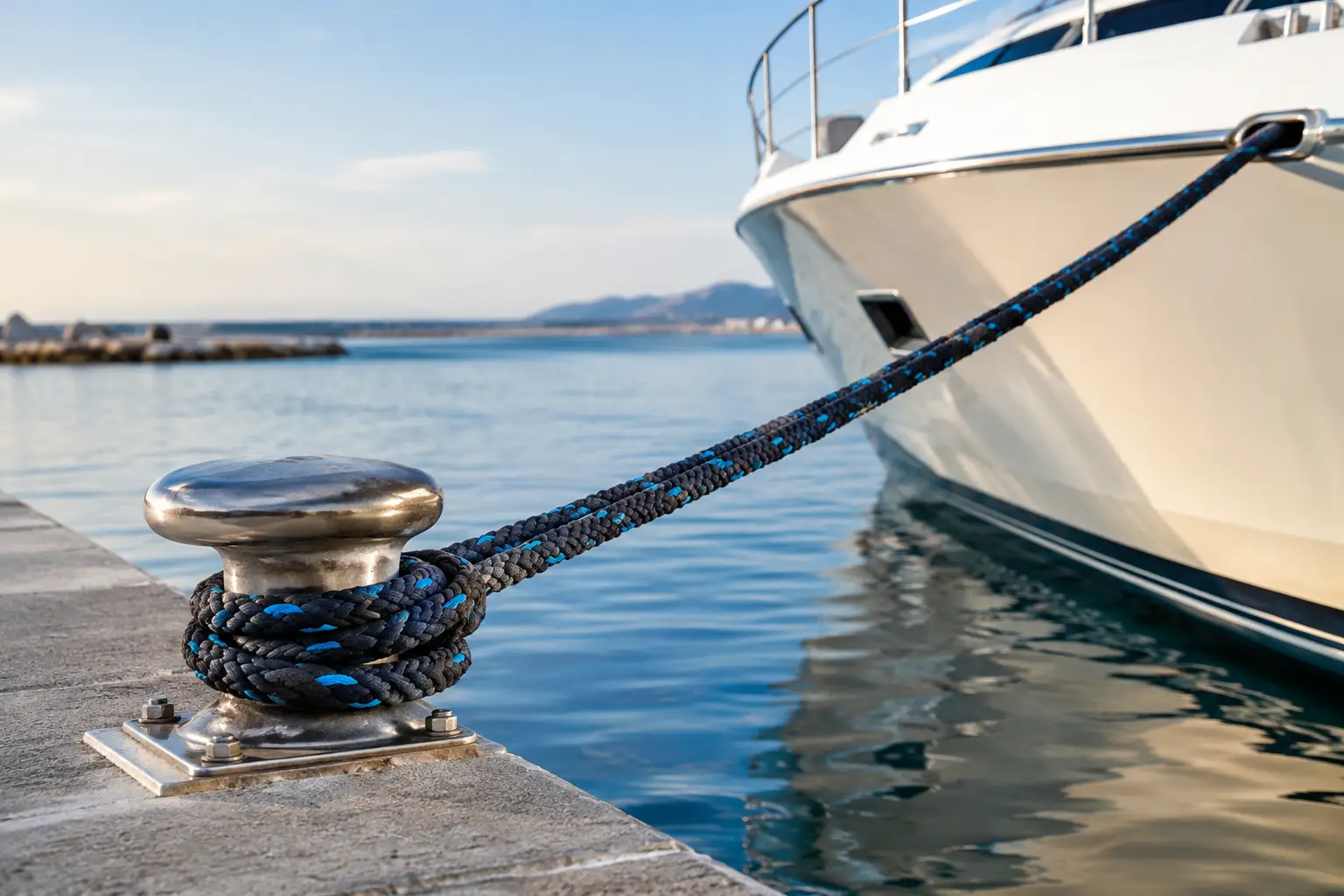
For marine and mooring applications, the same discipline applies. Rope construction, diameter, eye protection, chafe resistance, and splice configuration must match the intended connection and operating conditions. Synthetic mooring ropes require appropriate handling and inspection controls, while wire ropes need correct reeving, termination, and lubrication considerations. The selected product must suit the job, not merely meet a broad category description.
Start With the Lift and Connection Points
A sound mobilization package is built backward from the connection points. The project team should confirm what the lifting appliance, padeye, lifting lug, bollard, fairlead, or deck fitting will accept. Dimensions such as pin diameter, jaw width, eye internal diameter, and hook throat opening influence whether the rigging can be assembled as designed.
The lift plan should define the anticipated load and include relevant allowances for rigging weight, center of gravity, sling-angle reduction, dynamic effects, and environmental conditions where applicable. The rated capacity of an individual component is not automatically the capacity of the assembled rigging system. The lowest-rated component, connection limitation, or unfavorable sling angle can govern the entire arrangement.
This is where technical review adds practical value. A supplier that can cut and swage wire rope to specification, assemble chain slings, fit approved terminations, and load test completed assemblies helps prevent mismatched components from reaching the vessel. It also reduces the number of parties involved when a project requires a revised length, a different end fitting, or a replacement assembly under time pressure.
Avoid assuming certificates solve compatibility
Certificates confirm important information, but they do not prove that every item will connect correctly in the field. A complete pre-dispatch review should compare the equipment list with drawings, lift plans, and available connection details. When drawings are incomplete, physical measurements and photos from site can prevent costly assumptions.
The trade-off is time spent before mobilization versus time lost offshore. For routine, proven configurations, the review can be straightforward. For engineered lifts, restricted deck space, unusual loads, or unfamiliar interfaces, more detailed coordination is justified.
Certification Must Travel With the Equipment
Offshore crews need documents that are legible, traceable, and matched to the actual item being used. A certificate issued for a batch is not always sufficient when the project requires identification by serial number, sling tag, or test number. Documentation should be prepared to support the client’s inspection process and the applicable project, flag-state, class, or site requirements.
For lifting assemblies, records may include certificates of conformity, test certificates, material traceability where required, inspection reports, and identification details. Where a project specifies it, PE-endorsed documentation can provide the necessary level of technical accountability. The correct document set depends on the equipment type and contract requirements, so it should be agreed before fabrication or testing starts.
Documentation control is particularly important when equipment is modified. If a wire rope is cut, swaged, or re-terminated, the revised assembly needs its own identification and records. If a sling is repaired or components are changed, the original certificate should not be treated as proof of the new configuration. The field team needs a clear, current basis for accepting the equipment.
Package Equipment for Real Handling Conditions
A mobilization package should arrive ready to be loaded, checked, and deployed. That means identifying each item clearly, protecting it from transit damage, and organizing it in a sequence that supports the vessel or site loading plan. Loose hardware in mixed cartons creates delays and increases the chance of incorrect issue. Heavy items also need handling provisions that are safe for the people receiving them.
For wire rope slings and synthetic ropes, packaging should prevent kinking, crushing, abrasion, and contamination. Shackles, turnbuckles, hooks, and other accessories should be secured so pins, safety latches, and threads are protected. Cargo-securing equipment should be grouped by function and capacity, particularly where multiple deck cargos require separate securing arrangements.
Access equipment deserves the same attention. Rope ladders, pilot ladders, personnel nets, gangway-related components, and custom netting must be checked for configuration, dimensions, and secure attachment points before shipment. Offshore access systems are exposed to movement, weather, and repeated use. A last-minute alteration without proper verification is a poor substitute for fabrication to approved dimensions from the start.
Plan for Inspection, Quarantine, and Replacement
Mobilization does not end at delivery. Equipment needs a receiving inspection before it enters service, especially after extended storage, transport damage, or transfer between contractors. The receiving team should verify identification marks, quantity, visible condition, certificates, and any project-specific tagging requirement. Damaged, uncertified, or questionable equipment should be segregated immediately rather than left available for accidental use.
Projects should also identify likely replacement items before departure. Common examples include shackles in frequently used sizes, spare wire rope slings for repetitive lifts, chain connectors, protective sleeves, and cargo lashings. The right contingency stock depends on location, weather exposure, lead time, and the consequence of a failed component. Carrying every possible spare is inefficient, but carrying none can turn a minor defect into a shutdown.
Equipment rental can be useful when the requirement is temporary, specialized, or subject to scope changes. The key is to apply the same inspection and documentation standards used for purchased equipment. Rental gear should never become an informal substitute for a planned mobilization package.
Offshore Mobilization Works Best as One Controlled Scope
Procurement, operations, lifting supervision, and vessel crews each see different parts of the job. Problems develop when the equipment schedule, technical review, certification process, and dispatch plan are managed separately. A single accountable supply partner can coordinate these tasks and deliver equipment as a verified package rather than a series of partial shipments.
For more than 30 years, C&C International Trading has supported marine and industrial teams with wire rope processing, lifting gear supply, certified load testing, custom fabrication, and onsite rigging support. That combination is valuable when standard products need to become job-ready assemblies under a fixed offshore schedule.
The practical test is simple: before cargo reaches the quayside, every critical item should have a defined purpose, confirmed connection, readable identification, and supporting record. Build that control into the purchase and preparation process, and the offshore team can focus on executing the work rather than correcting avoidable equipment gaps.