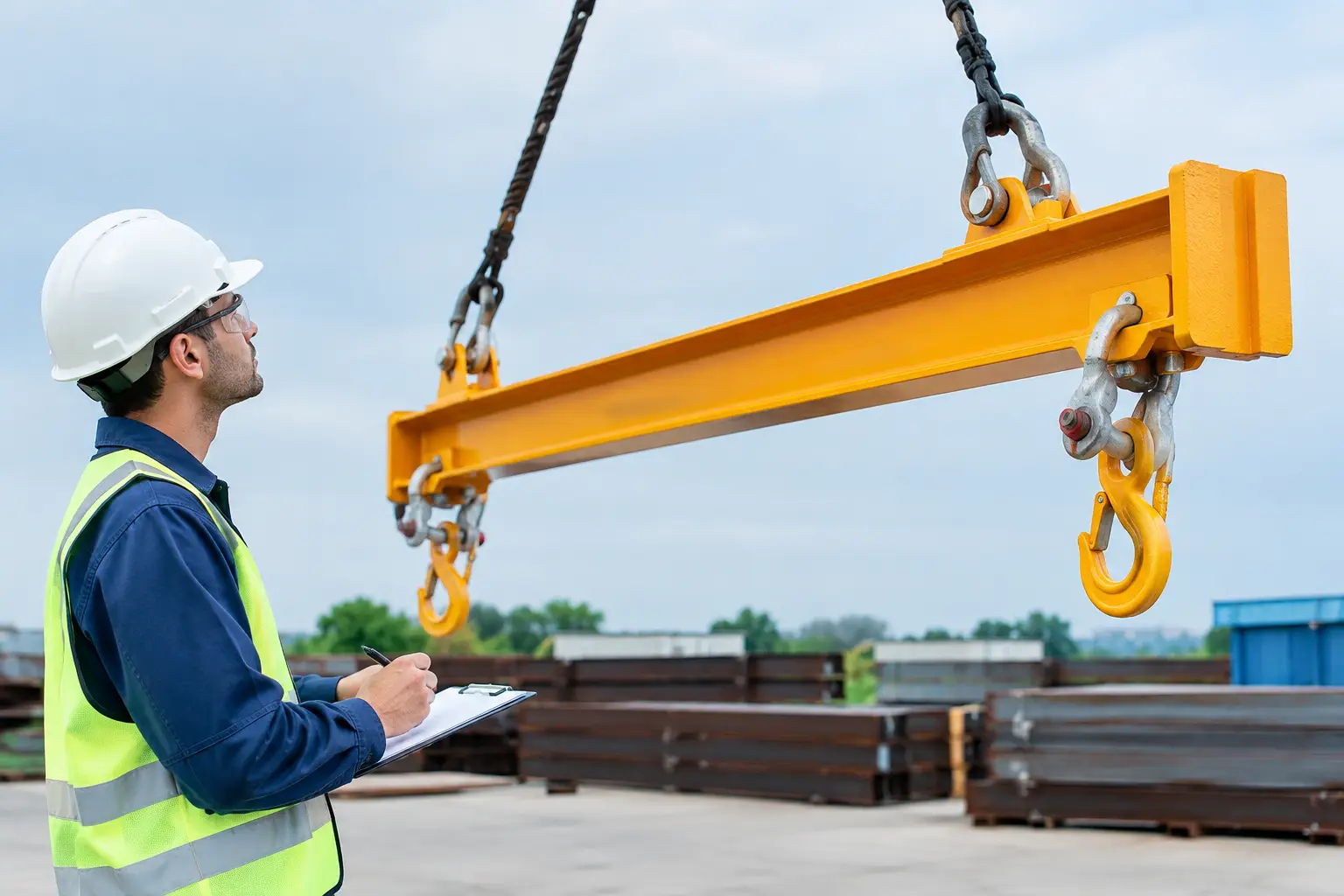
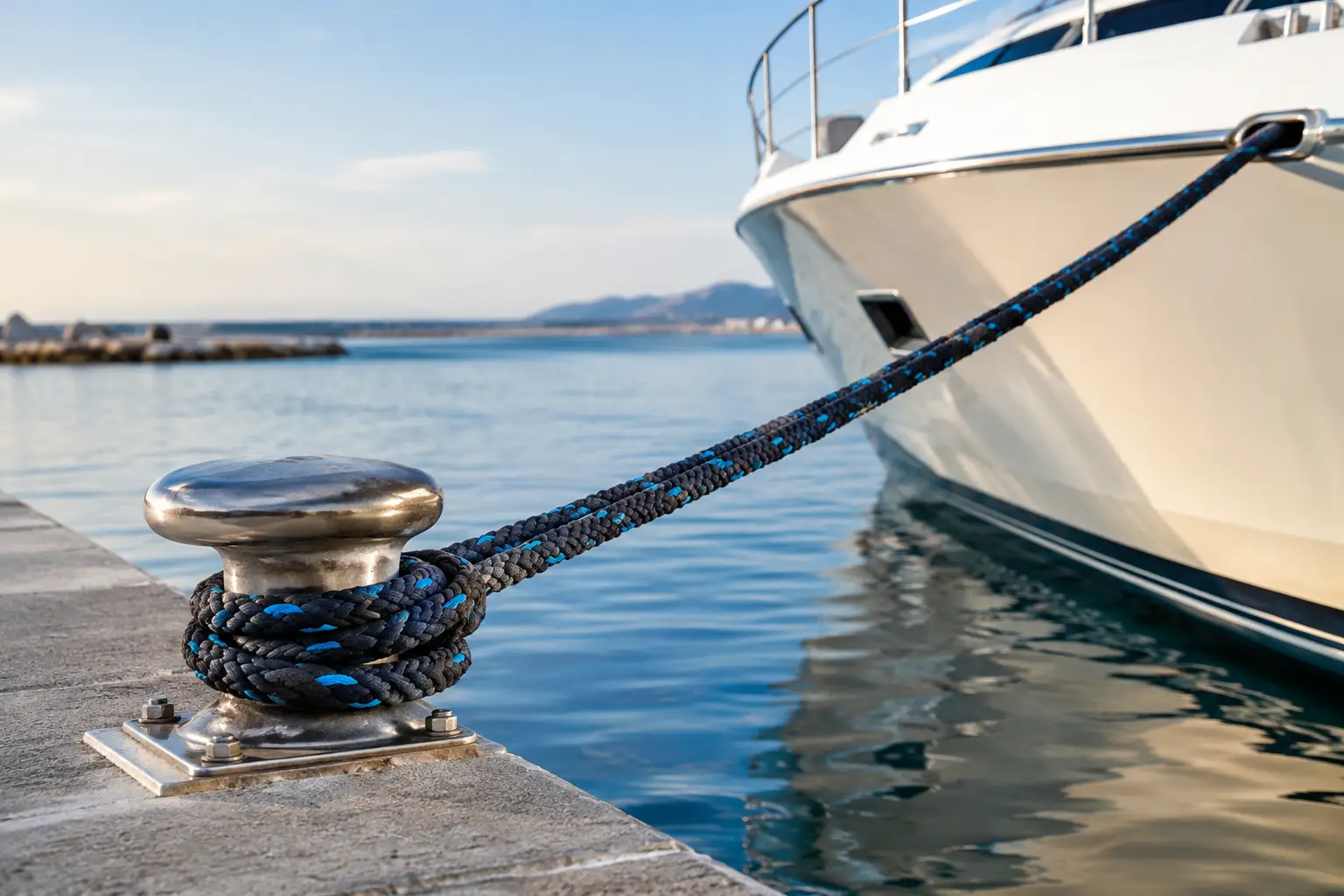
A wire sling can look serviceable from a distance and still be unsafe for the next lift. Broken wires may be concentrated in one short section, corrosion may be hidden under lubrication, and an intact-looking eye can conceal damage at the ferrule. Knowing when to replace wire slings is therefore not a judgment call made after a problem occurs. It is a controlled inspection and retirement decision based on the sling’s condition, identification, application, and applicable lifting requirements.
For lifting supervisors, vessel crews, and maintenance teams, the objective is straightforward: remove questionable equipment before it reaches a load. A replacement sling is less disruptive than a dropped load, damaged cargo, personnel injury, or an investigation that finds inspection records were incomplete.
When to Replace Wire Slings Immediately
Wire rope slings must be removed from service when inspection identifies damage that affects their strength, construction, or ability to connect safely. Do not attempt to compensate for visible defects by reducing the load, changing the sling angle, or assigning the sling to a “lighter-duty” lift unless a competent person and the manufacturer’s criteria specifically permit it. In many cases, retirement is the only correct action.
Immediate removal is generally required where there is a broken wire concentration, significant localized wear, crushing, kinking, birdcaging, heat damage, severe corrosion, or deformation of an end fitting. The sling should also be retired if its identification tag is missing or illegible and its capacity, construction, and traceability cannot be verified.
A damaged sling should be physically segregated from serviceable stock. Cutting the eyes, clearly marking it “DO NOT USE,” or placing it in a controlled quarantine area prevents it from being returned to the rack during a busy shift.
Broken Wires Are More Than a Cosmetic Defect
A single broken wire does not always mean the entire sling has reached its retirement point, but the location and concentration matter. A cluster of broken wires within a short rope length can indicate fatigue, abrasion, or bending stress that has reduced the rope’s remaining capacity.
Pay particular attention near eyes, sockets, swaged sleeves, thimbles, and points where the sling passes over sheaves or hardware. These are high-stress areas. Broken wires protruding from the rope are also a handling hazard, even before the sling reaches a formal discard threshold.
The correct evaluation depends on rope diameter, construction, service classification, and the governing inspection criteria. Field teams should avoid informal rules such as “a few broken wires are acceptable.” Use the applicable standard, manufacturer guidance, and competent-person assessment for that sling type.
Kinks, Crushing, and Birdcaging Require Retirement
Kinking permanently damages the rope’s internal structure. Once a rope has been kinked, its strands and core may no longer share load as designed, even if the outer shape appears partly restored. A kinked wire sling should not be straightened and returned to lifting service.
Crushing can flatten the rope, distort strands, and damage the core. Birdcaging, where strands separate and form a basket-like bulge, is another clear sign of internal displacement. These conditions often result from improper reeving, shock loading, pulling a sling through a tight opening, or allowing the rope to run under a load.
When any of these conditions are present, replace the sling. Repairing the rope body in the field is not an acceptable route back to service.
Check End Fittings, Eyes, and Hardware Closely
The rope body receives most of the attention during inspection, but end terminations are equally critical. A wire sling is only as reliable as its eye, thimble, ferrule, socket, or attached hardware.
Inspect swaged sleeves for cracks, excessive wear, slippage, distortion, or signs that the rope has pulled through the fitting. Check thimbles for deformation, cracking, sharp edges, or heavy wear at the bearing point. An eye that has opened up, flattened, or been pulled out of shape may have been overloaded or used with an incorrectly sized hook or shackle.
Hooks, master links, shackles, and other components attached to the sling must also be inspected. Replace or remove the assembly from service when there is throat opening, twisting, cracking, bent latches, damaged threads, excessive wear, or incompatible component substitution. A sound wire rope cannot make an unsafe fitting acceptable.
Corrosion and Heat Exposure Can Shorten Service Life
Marine, port, and offshore conditions accelerate wire rope deterioration. Salt spray, humidity, chemical exposure, and contaminated lubrication can create external rust and internal corrosion. Surface discoloration alone may not establish the full extent of the problem, but pitting, reduced rope diameter, stiffness, and dry reddish deposits are warning signs that demand closer examination.
Lubrication can slow corrosion and reduce internal friction, but it cannot restore lost metallic area or repair corroded wires. If corrosion has produced measurable diameter reduction, pitting, wire breaks, or stiff sections, the sling should be removed pending competent evaluation and likely replacement.
Heat damage is another non-negotiable concern. Wire rope exposed to welding spatter, arc strikes, extreme heat, or electrical contact may suffer changes in material properties or damage to its lubrication and core. Evidence of heat exposure, discoloration, fused wires, or weld spatter embedded in the rope warrants removal from service. Never weld on or near a loaded or installed wire sling.
Diameter Reduction Is a Practical Warning Sign
Measure wire rope diameter at regular intervals, particularly on slings used in repetitive lifting, abrasive handling, or marine cargo operations. Diameter loss can result from abrasion, internal wear, corrosion, or core failure. It provides useful evidence that the rope is no longer in the condition represented by its original rated capacity.
Measurements should be taken across the widest part of the rope, not across adjacent strand valleys. Compare the result with the nominal rope diameter and the applicable discard criteria. A sling that has become noticeably smaller, uneven in profile, or loose in its strands should not remain in service simply because no single dramatic defect is visible.
This is one area where records matter. A single measurement may be inconclusive. A documented trend of decreasing diameter can reveal deterioration before a sling reaches a critical condition.
Identification and Documentation Are Part of Safe Use
A wire sling without legible identification is an unknown lifting device. If the tag, marking, or certificate cannot establish the sling’s rated capacity, configuration, length, and traceable identity, remove it from use until the information can be verified through controlled documentation.
This is especially relevant for multi-leg slings and custom assemblies. Capacity changes with sling angle, hitch type, and the number of legs effectively carrying the load. A tag must match the actual assembly in service. Replacing a hook, shortening a leg, adding hardware, or modifying an eye can invalidate the original configuration and its documentation.
For planned work, maintain a sling register with unique identification, inspection dates, condition findings, retirement actions, and certification records. For urgent marine or industrial jobs, the same discipline applies: the equipment supplied to site should be correctly configured, load-tested where required, and accompanied by documentation appropriate to the scope of work.
Set Inspections Around Actual Service Conditions
Pre-use inspection should be completed by the user before each shift or lifting operation. It is a hands-on check for obvious damage, correct identification, and suitability for the intended connection. Formal periodic inspection is more detailed and should be performed by a designated competent person at intervals based on service severity and applicable requirements.
A sling used occasionally in clean indoor maintenance may have a different inspection frequency from one exposed daily to seawater, sharp cargo edges, high cycle counts, or offshore weather. Frequent use does not automatically mean immediate replacement, but it requires more frequent inspection and earlier intervention when wear trends appear.
Consider the actual lift as well. High consequence lifts, personnel exposure, dynamic loading, small bend radii, and repeated choke hitches all increase the demands placed on a sling. If the job changes, reassess whether the existing sling remains suitable before proceeding.
Do Not Repair a Sling Without Controlled Reprocessing
Field fixes create hidden risk. Do not clamp a damaged eye, tape over broken wires, weld hardware back into shape, or attempt to re-form a kinked rope. These actions can conceal defects while giving crews false confidence.
Where a sling can be legitimately re-terminated, altered, or replaced as part of a controlled process, it should be handled by a qualified provider with the correct equipment, verified materials, and documentation. Wire rope cut and swaged to specification, followed by required load testing and certification, provides a known configuration rather than an improvised repair.
C&C International supports this requirement with wire rope processing, swaging, certified load testing, and project-specific documentation for lifting applications where traceability cannot be left to chance.
Make Replacement a Planned Control, Not an Emergency
The best time to replace a wire sling is before it becomes the reason a lift stops. Keep critical sizes and configurations available for routine replacement, and identify long-lead custom assemblies before shutdowns, cargo campaigns, or offshore mobilizations begin.
When a defect is found, treat it as useful operational information. Review the sling’s service history, hitch method, hardware compatibility, storage practice, and load path. Repeated damage in the same area often points to a sharp edge, undersized connection point, poor handling method, or unsuitable sling selection. Correcting that cause protects the replacement sling and keeps the next lift moving safely.