A snatch block can turn a difficult pull into a controlled operation, but it also changes how force travels through the rope, attachment point, and supporting structure. A safe snatch block operation starts before the side plate is opened: the lifting supervisor or person in charge must understand the load path, confirm the working load limit of every component, and establish whether the block is being used for a directional change or a mechanical advantage.
This distinction matters. A block used only to redirect a winch line does not reduce the line tension required to move the load. It can, however, impose significant loading on the block and its anchor point. A moving block arrangement may reduce the winch line pull required, but friction, reeving losses, rope bending, and changing line angles mean the theoretical mechanical advantage is not the same as the actual result in the field.
For lifting, towing, vessel work, cargo handling, or controlled recovery, the objective is the same: build a rated system that remains predictable under load. The block is not an isolated item of hardware. It is one part of the complete rigging arrangement.
Start With the Load Path and Rated Capacity
Before selecting a snatch block, identify the anticipated line pull, the maximum load, the direction of travel, and the anchor arrangement. Confirm whether the operation involves a static lift, a controlled horizontal pull, or a changing load condition. Dynamic loading caused by sudden starts, snagged loads, vessel movement, or shock loading can exceed the rated capacity of otherwise suitable equipment.
The working load limit, or WLL, of the snatch block must be adequate for the actual force imposed on it, not simply the weight of the load being moved. For example, where a line is redirected through a block at close to 180 degrees, the force at the block attachment can approach twice the line tension. At smaller redirect angles, the force is lower, but it must still be calculated or assessed by a competent person.
The anchor point requires the same attention. A deck pad eye, lifting lug, shackle, chain sling, structural beam, or vehicle recovery point must be rated and positioned for the resulting load direction. A strong block connected to an unsuitable anchor does not create a safe system.
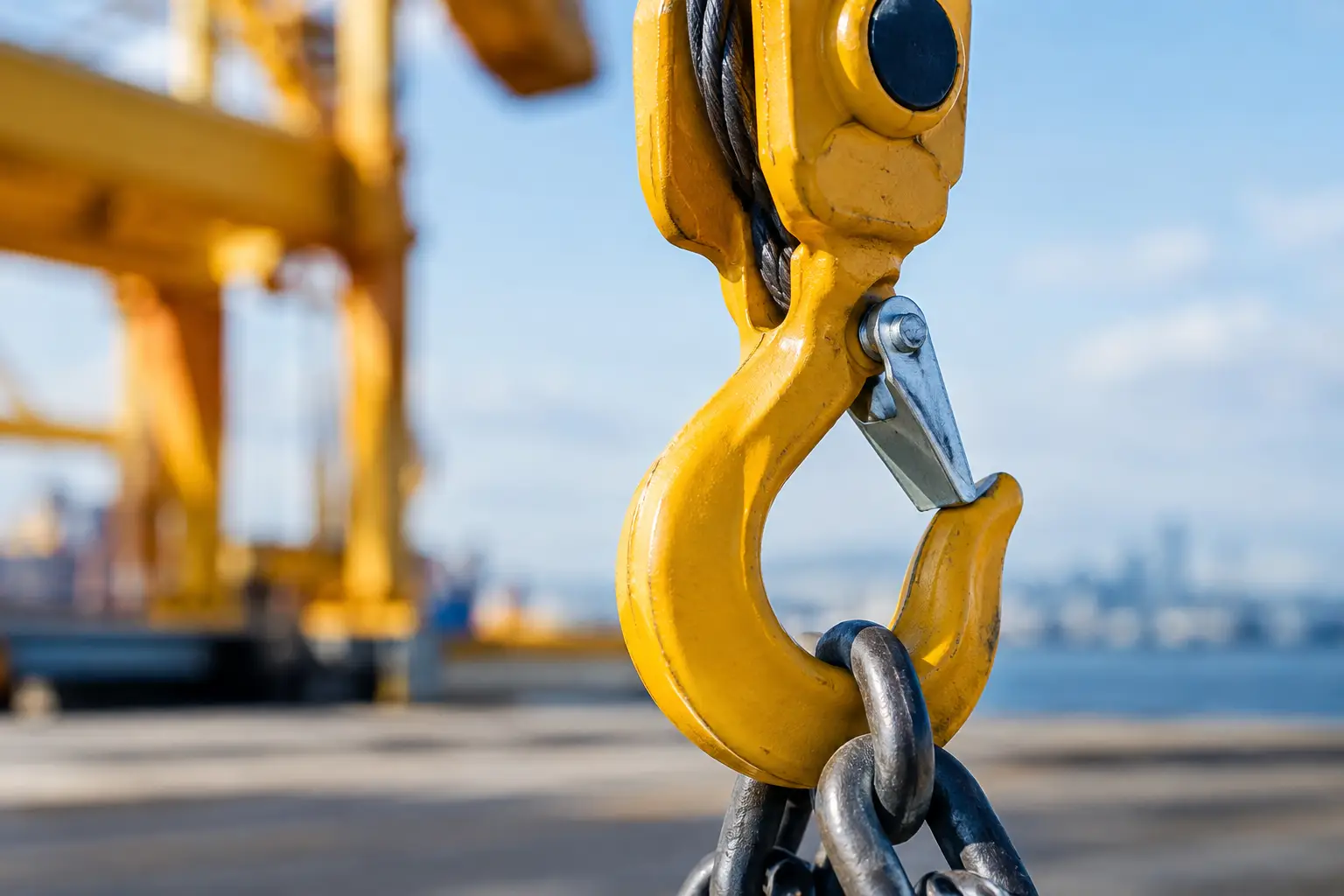
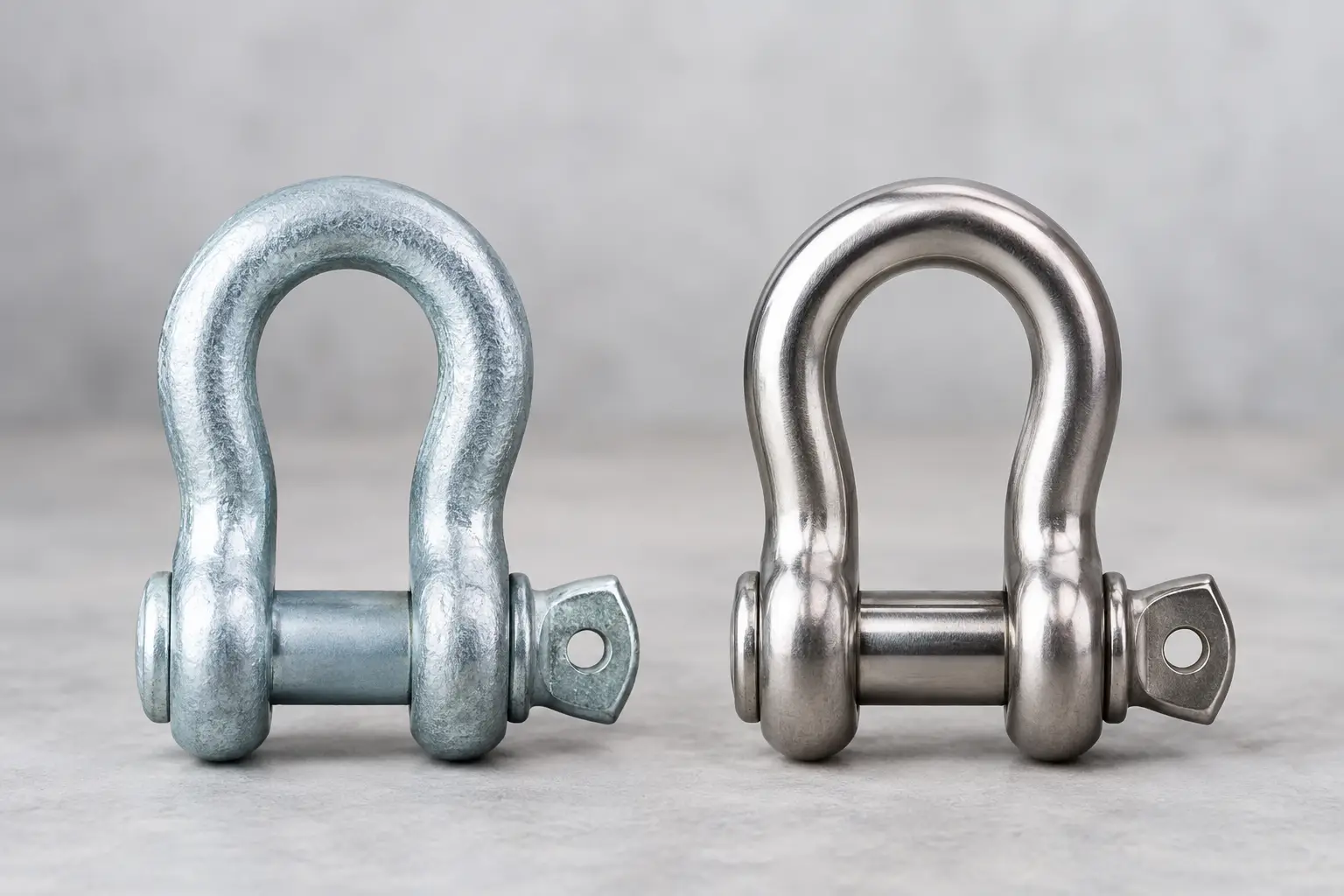
Check the full assembly, including the wire rope or synthetic rope, hook or shackle, sling legs, master links, and any connector pins. The lowest-rated compatible component governs the allowable capacity. Do not assume that a large-looking shackle or an existing attachment point is suitable without traceable rating information and condition checks.
Selecting the Right Snatch Block
A snatch block is designed with an opening side plate that allows the rope to be inserted without threading the rope end through the sheave. This is useful where the rope is already terminated, where reeving must be completed quickly, or where a line cannot be removed from a winch drum. The convenience of the opening feature does not reduce the need for correct rope and sheave compatibility.
The sheave groove must suit the rope diameter and construction. A groove that is too narrow can pinch and damage the rope. One that is too wide may not support the rope correctly, increasing localized wear and reducing control. The sheave diameter is also critical. Tight bending over an undersized sheave can reduce wire rope service life and affect its strength performance.
For wire rope applications, confirm the manufacturer’s recommendations for minimum sheave-to-rope diameter ratio. This requirement varies with rope construction, duty cycle, and application. Rotation-resistant ropes, for example, can demand closer attention to reeving and drum behavior than general-purpose wire rope.
The block type must also fit the environment. Marine and offshore work may require corrosion-resistant finishes, protected bearings, and inspection routines that account for salt exposure. For lifting operations, use purpose-designed lifting blocks with clear identification, rated markings, and supporting certification. A block intended for light utility pulling should never be substituted for a rated lifting block.
Snatch Block Operation: Setup and Reeving
Establish an exclusion zone before the line is tensioned. Keep personnel clear of the line, bight, block, anchor point, and likely travel path of the load. No one should stand in line with a tensioned rope or between the load and a fixed object. Assign one person to control communications and stop the operation if conditions change.
Inspect the snatch block before use. The cheek plates must close fully and the locking mechanism must engage as designed. Check for distorted side plates, cracked welds, damaged latches, loose fasteners, seized bearings, excessive sheave play, and sharp edges in the rope groove. Ensure the hook safety latch, if fitted, functions correctly. If using a shackle connection, verify the pin is fully engaged and correctly oriented.
When reeving the rope, first relieve all tension and secure the winch or pulling device against unintended movement. Open the block only as instructed by the manufacturer. Place the rope squarely in the sheave groove without crossing, twisting, or trapping it between the side plate and sheave. Close and lock the side plate completely before tension is applied.
Maintain proper fleet angle from the winch drum to the block. Excessive side pull can cause uneven winding, rope crushing, and damage to the rope or drum flange. The lead should be as straight as practicable, particularly during the first layer of winding. If the line must run at an angle, assess whether a fairlead, additional block, or different winch position is required.
Before the main pull begins, take up tension gradually and conduct a controlled test. Watch the sheave rotation, rope tracking, block alignment, anchor behavior, and load movement. If the block twists, the rope climbs the sheave flange, the anchor shifts, or the line starts to chafe, stop and correct the arrangement. Do not attempt to guide a moving rope by hand.
Control the Pull, Not Just the Equipment
A snatch block arrangement is safest when the load moves steadily and the crew can see the entire system. Sudden acceleration, shock loading, or attempts to jerk a stuck load can produce forces far above the expected line pull. This is particularly relevant in towing and recovery work, where traction changes quickly and the load may release without warning.
Use a controlled pull with clear signals between the winch operator, banksman or signal person, and supervisor. The operator should stop immediately on instruction or if line behavior cannot be observed. Where visibility is restricted, use a dedicated signal person rather than relying on assumptions or radio traffic from multiple people.
Pay attention to changing geometry. As a load moves, the rope angle, anchor load, and side loading on the block may change. A setup that is acceptable at the start may become unsuitable halfway through the operation. This is common when pulling equipment around a corner, moving a vessel component along a deck, or recovering plant from uneven ground.
Do not use a snatch block for dynamic or kinetic recovery unless the complete system has been specifically engineered and rated for that purpose. Conventional lifting and pulling hardware is generally designed for controlled loading, not the energy release associated with kinetic recovery straps or sudden shock events.
Inspection, Documentation, and Retirement Criteria
Pre-use inspection is essential, but it does not replace periodic thorough examination, proof testing where required, and documented maintenance. For safety-critical lifting work, equipment records should identify the block, its WLL, inspection status, certificate details, and any applicable test documentation.
Remove the block from service if there is evidence of cracking, permanent deformation, damaged or missing identification, a faulty locking feature, severely worn sheave groove, bearing failure, excessive corrosion, or damage that could affect safe performance. Field repairs to load-bearing components should not be improvised. Return the equipment to a competent service provider for assessment, repair where permitted, or replacement.
For operations requiring certified equipment, C&C International can supply snatch blocks and associated rigging configured to the application, supported by load-test certification and full documentation where specified. Matching the block, wire rope, shackles, and attachment hardware as one planned assembly reduces delays when the equipment reaches the worksite.
The best time to resolve a snatch block problem is before the line is tensioned. A short review of capacity, rope path, anchor loading, and communications can prevent damage, downtime, and a serious incident once the pull is underway.