A lift plan can look correct on paper and still fail at the connection points. The practical question in an alloy chain versus wire sling decision is not which product is generally stronger. It is which sling construction suits the load shape, pick points, environment, handling method, and required working load limit for that specific job.
For lifting supervisors, vessel operators, and site teams, sling selection affects more than purchasing cost. It affects rigging time, load control, inspection exposure, damage risk, and whether the equipment can be documented and released for use with confidence. Alloy chain slings and wire rope slings are both established heavy-lifting tools, but they behave differently in service.
Start With the Lift, Not the Sling
The right selection begins with the load and lifting arrangement. Confirm the calculated load, center of gravity, number and angle of sling legs, hitch type, available headroom, and the condition of lifting lugs or attachment points. A sling’s working load limit can change materially when used in a basket hitch, choke hitch, or multi-leg configuration, particularly where sling angles reduce capacity.
The environment matters just as much. Heat, sharp edges, abrasive contact, chemical exposure, saltwater, limited access, and repeated handling all influence whether alloy chain or wire rope is the more practical option. A lower initial cost is not a saving if the sling is poorly suited to the job and requires frequent replacement or creates avoidable rigging delays.
Alloy Chain Versus Wire Sling: Core Differences
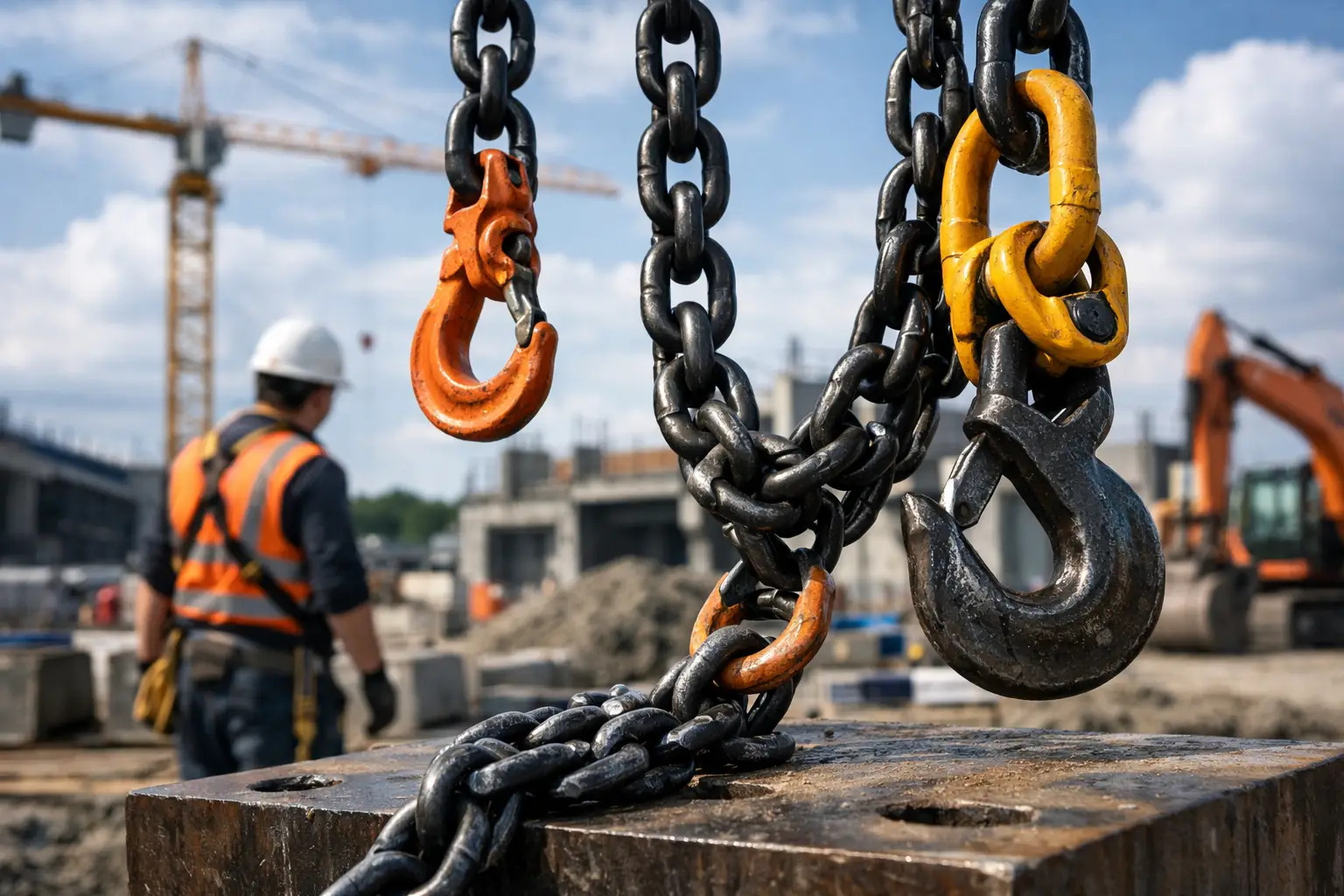
Alloy chain slings are assembled from high-strength alloy steel chain with fittings such as master links, hooks, shortening clutches, and connecting links. Wire rope slings use wire rope formed into eyes, often mechanically swaged or hand-spliced, then fitted with thimbles, sleeves, hooks, or other end terminations.
The most visible difference is adjustability. A chain sling can often be shortened quickly with an approved shortening device, allowing riggers to accommodate uneven pick points or control a load that must remain level. A standard wire rope sling is manufactured to a fixed length. It can be specified accurately for the lift, but it does not offer the same field adjustment.
Chain is also generally more tolerant of higher-temperature service than wire rope, subject to the manufacturer’s limits, sling grade, and any reduction factors. Wire rope may be preferred where a more flexible sling is needed to pass through restricted spaces, wrap around a large diameter load, or reduce the bulk of the rigging arrangement.
Neither type should be selected by appearance alone. The correct configuration, component compatibility, rated capacity, and traceable certification are part of the lifting system.
When Alloy Chain Is the Better Working Tool
Alloy chain is often chosen for demanding industrial lifting where flexibility in length adjustment and resistance to rough handling are priorities. It is well suited to fabricated steel, machinery, structural components, pipe sections, skips, and loads with varied connection elevations. A properly configured multi-leg chain sling can provide practical control when lifting from multiple lugs.
Its durability is valuable in applications where slings are repeatedly connected, removed, dragged into position, and exposed to site wear. Chain also gives inspectors a direct view of individual links and fittings. Stretch, deformation, nicks, gouges, damaged hooks, and latch issues can be identified during a close visual examination.
That does not mean chain is maintenance-free. Chain slings are heavy, and that weight becomes a handling consideration on deck, at height, or during repetitive work. They can damage painted, machined, or finished surfaces if not controlled. They are also vulnerable to localized damage from shock loading, severe side loading, unauthorized welding, and deep gouging.
For marine and offshore service, corrosion control is critical. Saltwater exposure, inadequate rinsing, and poor storage can shorten service life. The sling should be inspected, cleaned where needed, and removed from service whenever damage or identification concerns affect its suitability.
Chain Selection Requires Complete Configuration
A chain sling is only as capable as its lowest-rated component. The chain grade, master link, hooks, couplers, shortening devices, and sling-leg geometry must be selected as a complete assembly. Mixing components without confirming compatibility can compromise the rated capacity and traceability of the sling.
For a planned lift, it is often more effective to order a chain sling built to the required leg length, fittings, and working load limit than to adapt miscellaneous components on site. Where project requirements call for it, the completed assembly should be load tested and supplied with full certification records.
When a Wire Rope Sling Makes More Sense
Wire rope slings remain a practical choice for many marine, construction, cargo-handling, and general industrial lifts. They offer a favorable strength-to-weight relationship and are more flexible than chain, particularly when handling larger loads or routing the sling through restricted areas.
A wire rope sling can be produced with soft eyes, thimbled eyes, sockets, hooks, or specialized fittings to match the connection point. This makes it useful where the geometry is already known and a fixed-length sling can be cut and swaged to specification. For repetitive lifts with consistent pick points, that repeatability can simplify rigging and reduce setup time.
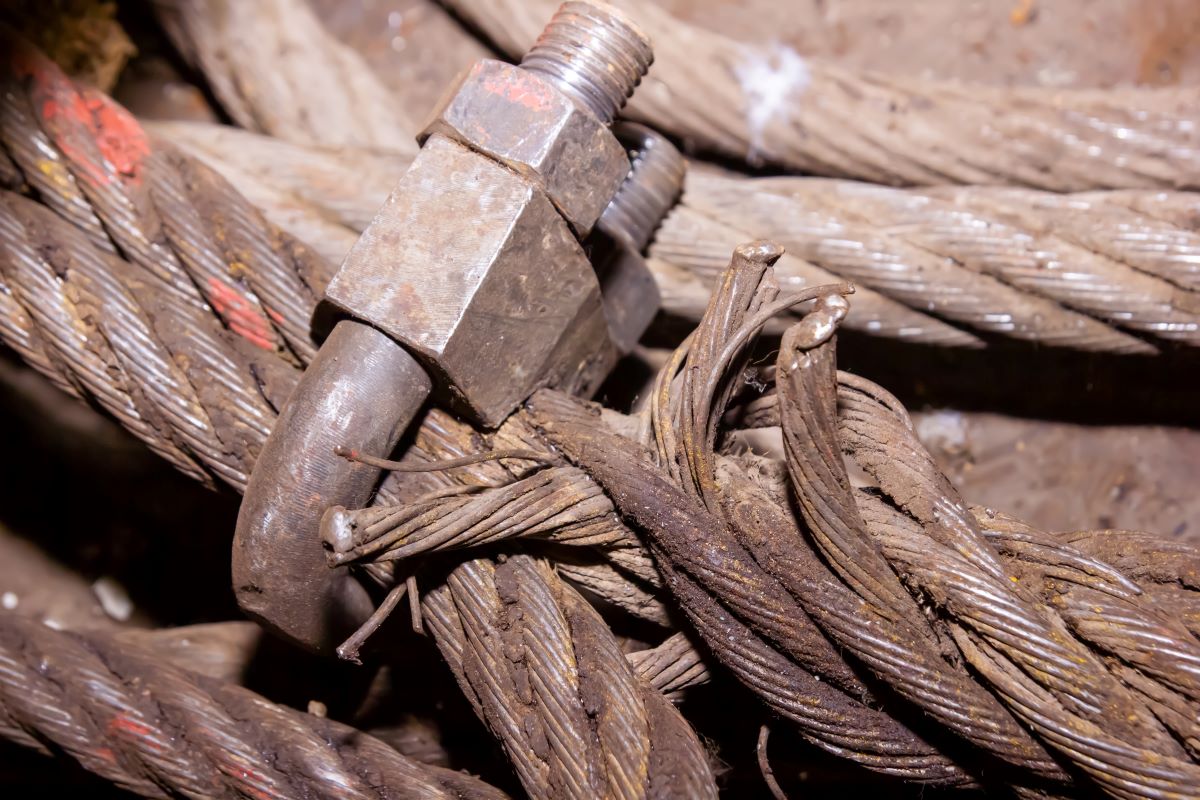
Wire rope is not forgiving of sharp corners or crushing. Broken wires, kinks, birdcaging, flattened sections, core protrusion, severe abrasion, heat damage, and damaged end terminations are clear warning signs. Edge protection, proper sheaves or bearing surfaces, and correct D-to-d ratios at connection points are necessary to prevent premature damage.
In corrosive marine conditions, lubrication and routine inspection matter. Galvanized rope or other specified constructions may improve suitability for certain environments, but the selection must still account for the full duty cycle, storage conditions, and inspection regime. Corrosion hidden within the rope is one reason competent inspection and retirement criteria are essential.
Compare Handling, Damage Modes, and Cost Over Service Life
A direct alloy chain versus wire sling comparison should account for how each product fails in the real work environment. Chain is heavier but adjustable and typically easier to configure for uneven multi-point lifts. Wire rope is lighter and more flexible but needs stronger protection from bends, sharp edges, and crushing.
Chain is commonly the better choice where repeated adjustment, high-temperature exposure within approved limits, or tough site handling is expected. Wire rope can be the better choice where sling weight, flexibility, fixed geometry, and large-capacity lifting are more significant factors.
Initial purchase price should not be the deciding measure. Evaluate the expected number of lifting cycles, likelihood of edge contact, frequency of adjustment, storage discipline, inspection labor, downtime from damage, and the cost of replacing equipment that does not match the work. A sling that is correctly specified for the duty often delivers the lower total operating cost.
Specify the Sling as a Certified Assembly
Procurement teams should provide more than a nominal load requirement. A useful specification states the required working load limit, number of legs, sling angles, effective lengths, hitch arrangement, end fittings, operating environment, and any applicable project or client standard. If the lift involves lifting lugs, provide their dimensions and orientation so hooks and connecting hardware can be selected correctly.
For wire rope slings, specify the rope construction, diameter, eye type, thimble requirement, and termination method where these are known. For alloy chain slings, identify the required chain grade, leg configuration, hook type, shortening requirement, and any need for safety latches or specialized fittings.
Documentation should be treated as part of the deliverable. Equipment identification, working load limit, test certificates where required, inspection status, and traceability records help the lifting team verify that the sling delivered is the sling approved for the work. For safety-critical or project-controlled applications, PE-endorsed documentation and certified load testing may be required by the job specification.
C&C International can support this process by supplying chain and wire rope sling assemblies configured to project requirements, with wire rope cut and swaged to spec, load-test certification, and supporting documentation where required.
Inspection Is What Keeps the Selection Valid
The correct sling can become the wrong sling after one damaging lift. Pre-use checks should verify identification, leg length, fittings, obvious deformation, wear, corrosion, and damage relevant to the sling type. Formal periodic inspection should be carried out by a competent person at intervals appropriate to service severity and governing requirements.
Do not attempt field repairs such as welding chain links, modifying hooks, or improvising wire rope terminations. Quarantine equipment with uncertain history, missing identification, or suspected overload damage until it has been assessed and formally released or condemned.
The best sling choice is the one that lets the crew connect safely, control the load, and inspect the equipment without assumptions. Define the lift clearly, specify the assembly completely, and keep certified equipment ready before the job reaches the hook.