A mooring line change-out, a lifting-gear inspection, or a cargo-securing audit can expose a vessel’s compliance position in minutes. The marine compliance trends affecting operators today are not limited to new regulations. They are changing how equipment is specified, documented, inspected, stored, and replaced before a vessel reaches port, starts an offshore campaign, or handles a critical lift.
For marine superintendents, procurement teams, and safety managers, the practical question is straightforward: can every item in service be shown to be fit for purpose, correctly configured, and supported by records that stand up to inspection? Equipment that looks serviceable is not necessarily compliant. A missing certificate, an unclear safe working load, or an untraceable modification can stop work just as effectively as visible damage.
Marine Compliance Trends Are Moving to Evidence-Based Control
Marine operations have long relied on competent crews, planned maintenance, and visual inspection. Those foundations remain essential, but auditors, charterers, terminals, and project clients increasingly expect objective evidence. They want to see equipment registers, inspection histories, test certificates, manufacturer data, and proof that the equipment installed matches the approved specification.
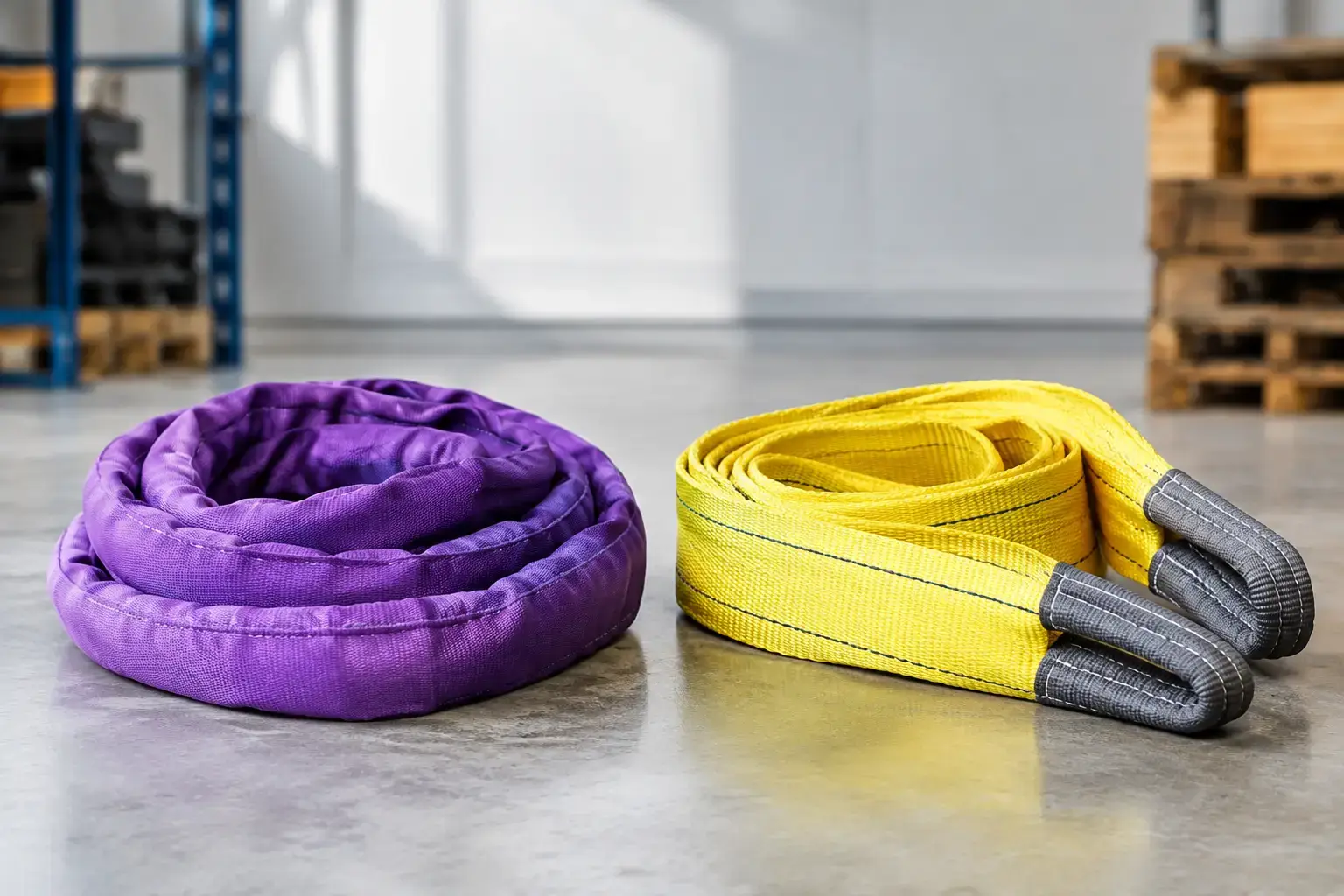
This shift is especially significant for lifting, mooring, cargo securing, and access equipment. These are field-exposed items subject to corrosion, abrasion, shock loading, improper storage, and changing operating conditions. A shackle, wire-rope sling, chain assembly, or mooring tail may be suitable when supplied but become unsuitable after damage, unauthorized repair, or use outside its stated limits.
The operational response is not simply to collect more paperwork. It is to establish control from purchase through retirement. Equipment should be identifiable, matched to its intended application, inspected at the correct interval, and removed from service when rejection criteria are met. Documentation must be available where decisions are made, not buried in an office file after the vessel has sailed.
Traceability Is Now Part of Equipment Readiness
Traceability is becoming a central purchasing requirement because it connects the physical item to its technical basis for use. For lifting and rigging gear, that may include the manufacturer, material grade, capacity, certificate reference, test result, serial number, and inspection status. For wire ropes and mooring ropes, it may also involve construction, diameter, minimum breaking load, termination details, and the applicable service recommendation.
A complete record helps the vessel team verify that a component has not been substituted with a similar-looking but unsuitable item. This matters when assemblies are built from several parts. A sling, for example, is only as compliant as the combination of rope or chain, end fittings, master links, hooks, thimbles, and swaged or mechanically secured terminations.
The risk of mixed or altered assemblies
Mixed assemblies are common sources of uncertainty. A replacement hook may have a different capacity from the original assembly. A wire rope may be cut to length without confirming its termination method. A shackle pin may be exchanged with another pin that does not belong to the same body. Each change can affect the safe working load and invalidate the documentation supporting the original equipment.
The practical control is to procure complete, identified assemblies where possible and have custom work performed by a competent provider. For critical applications, equipment should be cut and swaged to specification, load tested where required, and supplied with documentation that identifies the finished assembly rather than only the individual components.
Mooring Management Is Under Closer Scrutiny
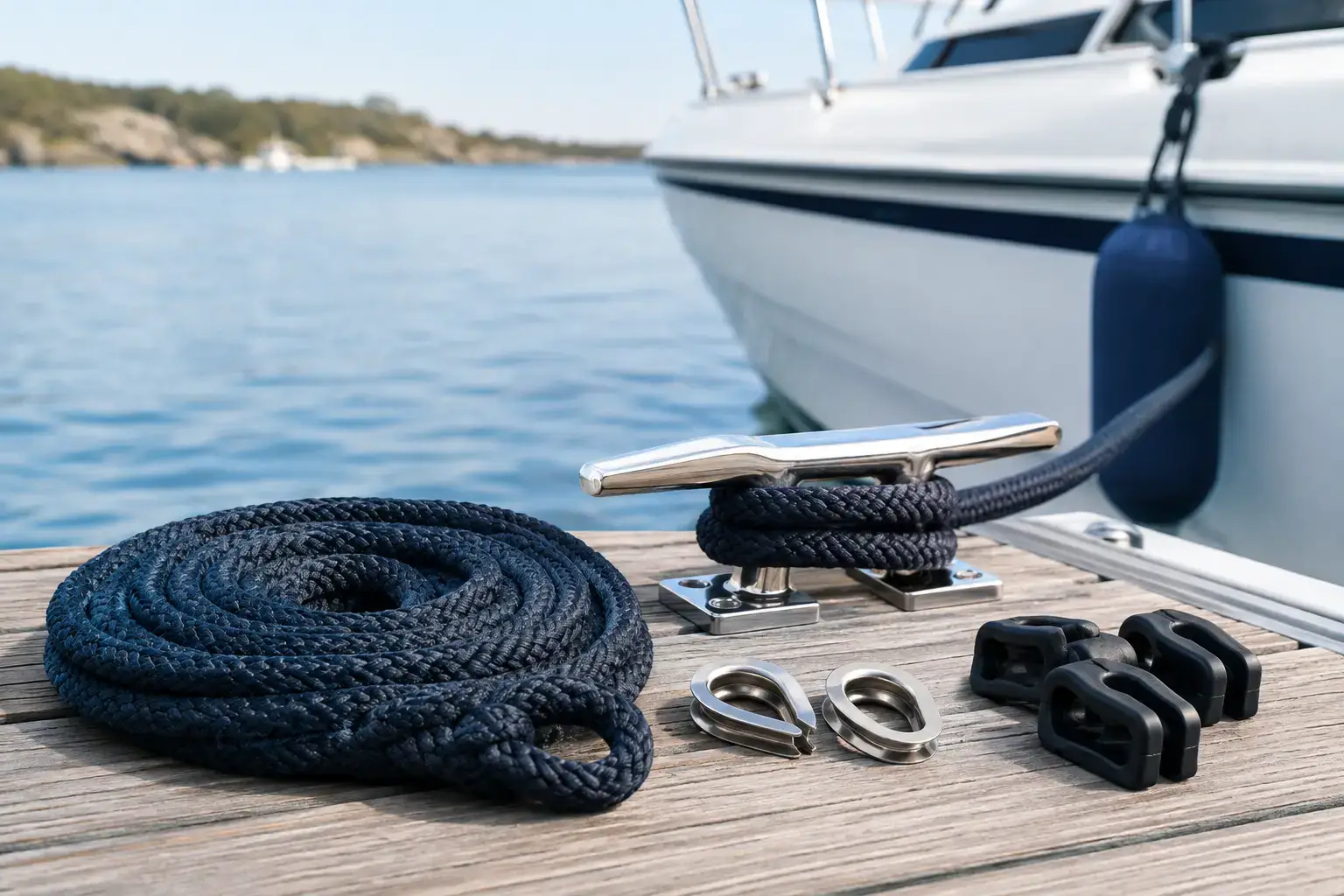
Mooring remains a high-consequence marine activity. Line failures can cause severe injury, berth damage, cargo delays, and environmental exposure. As a result, vessel operators are placing greater emphasis on mooring-system integrity, including line selection, inspection, replacement planning, and crew understanding of line condition.
The compliance focus extends beyond the rope itself. Fairleads, bitts, chocks, winch drums, brake settings, tails, connectors, and rope protection all affect system performance. A new rope installed on a damaged contact surface can deteriorate prematurely. Likewise, selecting a rope only by diameter can overlook important factors such as material behavior, elongation, abrasion resistance, wet strength, and compatibility with the vessel’s mooring arrangement.
Synthetic, natural-fiber, and steel wire mooring solutions each have different handling and inspection considerations. The correct choice depends on the vessel, berth conditions, loading profile, winch arrangement, and company procedures. There is no universal rope specification that suits every operation. What matters is that the selected line is appropriate for the system and that crews can recognize wear, cuts, glazing, strand damage, corrosion, and other rejection indicators.
Inspection Programs Are Becoming More Condition-Focused
Calendar-based inspections remain useful, but they do not replace condition assessment. Equipment used daily in a corrosive port environment may need more attention than equipment with the same inspection date that has been stored correctly and rarely used. This is why inspection programs are moving toward a combination of scheduled checks, pre-use checks, documented periodic examinations, and event-based inspection after overload, impact, contamination, or suspected misuse.
For wire rope, inspection should consider broken wires, corrosion, crushing, birdcaging, kinks, diameter reduction, and damage near terminations or sheaves. For chain slings, check for stretch, gouges, twisting, heat damage, and worn links. Shackles, hooks, and lifting clamps require attention to deformation, thread condition, latch operation, pin security, and legible markings.
The same principle applies to cargo-securing equipment. Lashing chains, turnbuckles, web lashings, D-rings, tensioners, and deck fittings may be exposed to salt spray and repeated loading. A compliant cargo-securing plan can fail in practice if the hardware on deck is corroded, mismatched, or not rated for the intended securing arrangement.
Inspection records must support action
An inspection report has value only when it leads to a clear decision: remain in service, monitor, repair through an approved process, quarantine, or discard. Vague observations create risk because they leave the vessel team to interpret whether equipment is acceptable.
Records should identify the item, location, condition, inspector, date, and disposition. Where an item is removed, the replacement should be controlled with the same care. This prevents a rejected component from returning to service or an unapproved substitute being installed during an urgent repair.
Digital Records Help, but Field Discipline Still Decides the Outcome
Digital equipment registers, QR identification, electronic certificates, and cloud-based inspection records are becoming more common. They can reduce time spent searching for documents and make overdue inspections easier to identify. For fleet operators, they also provide better visibility across vessels and project sites.
However, digital systems do not correct poor identification, incomplete receiving checks, or weak onboard discipline. If a tag is missing, a serial number is unreadable, or a crew member cannot confirm which certificate applies to which assembly, the system has a gap. The most effective programs pair digital access with durable marking, clear quarantine procedures, and competent physical inspection.
For urgent supply situations, this is particularly relevant. Fast delivery is valuable, but speed should not mean accepting equipment without verified capacity, certification, or configuration. A supplier that can provide ready-to-use gear with full documentation, appropriate testing, and technical clarification reduces the risk of creating a compliance problem during a time-critical repair.
Procurement Is Becoming a Compliance Control Point
Procurement teams increasingly influence safety performance because the purchasing decision determines what arrives onboard or at the job site. Buying on price alone can lead to incomplete certification, uncertain material origin, incompatible components, or equipment that cannot be entered properly into the asset register.
A stronger purchasing process starts with a usable technical requirement. It should state the application, required capacity, dimensions, standards or client requirements, environmental exposure, certification needs, and any required testing or endorsement. For custom wire-rope slings, nets, ladders, or cargo-securing assemblies, drawings and installation conditions should be reviewed before fabrication begins.
C&C International supports this approach by combining equipment supply with processing, load-test certification, documentation, and onsite support. For operators, the advantage is accountability across the full job rather than having to coordinate separate vendors for materials, fabrication, testing, and installation.
Preparing for the Next Inspection Starts Before It Is Due
The best compliance programs do not treat inspections as isolated events. They build readiness into daily operations through controlled purchasing, proper storage, pre-use checks, clear marking, timely replacement, and accessible records. This reduces last-minute sourcing pressure and gives crews confidence that the gear they rely on is properly selected and documented.
For every critical item, ask one practical question: if an inspector, client representative, or lifting supervisor asked for proof right now, could the vessel produce the equipment, the identification, and the record without uncertainty? Closing that gap before the next operation is one of the most useful actions any marine team can take.