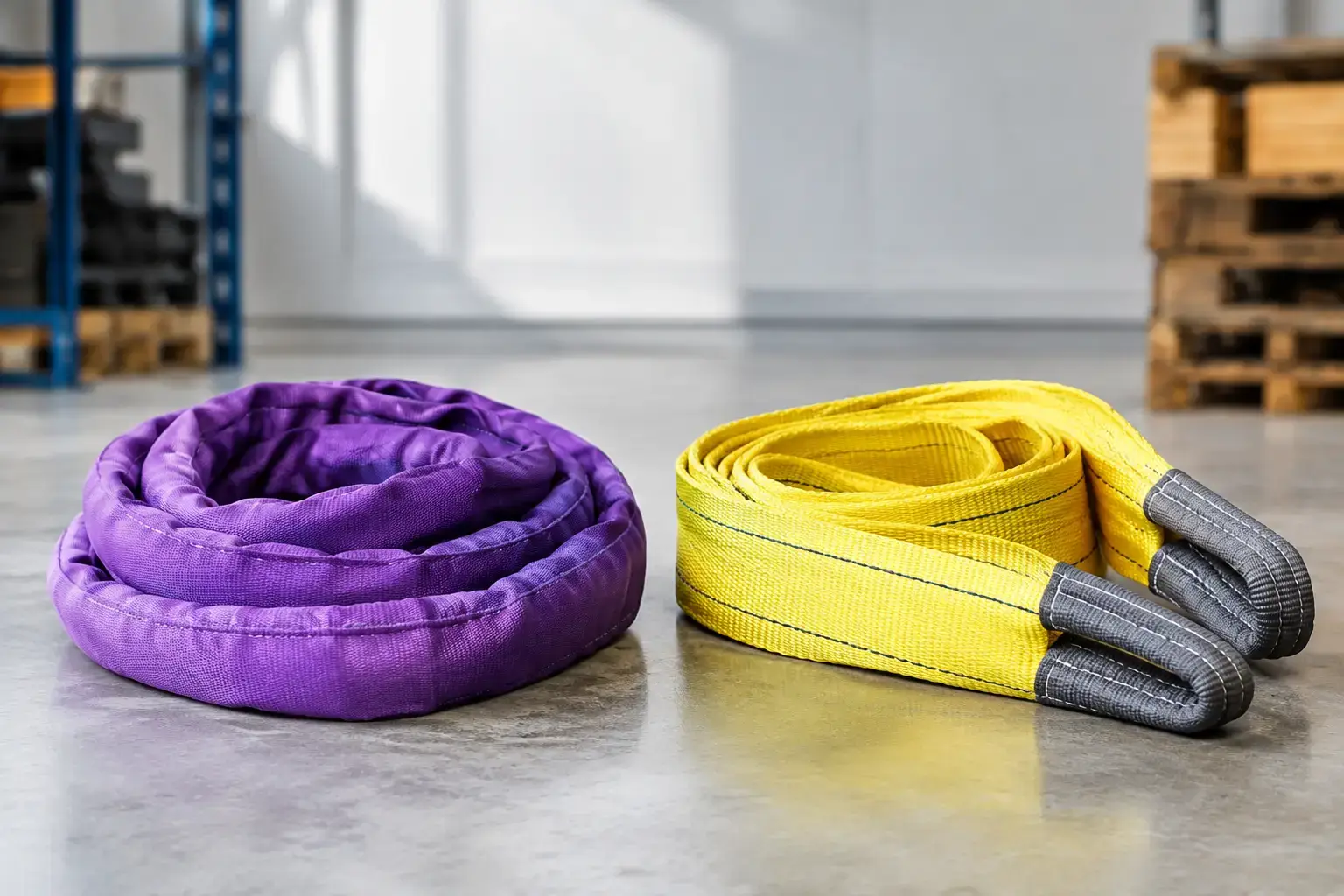
A mooring line can be correctly sized, properly spliced, and still fail early if its contact points, connections, and handling arrangements are neglected. The best mooring rope accessories protect the rope where working conditions are hardest: at chocks, fairleads, bitts, winches, and ship-to-shore interfaces. For vessel operators and marine teams, the right accessories reduce chafe, improve line control, support inspection routines, and help keep berthing operations predictable.
Accessory selection should never be treated as an afterthought. Every item in the mooring arrangement must be compatible with the rope construction, line diameter, minimum breaking load, hardware geometry, and operating environment. A component that is suitable for a nylon line may not be appropriate for high-modulus synthetic rope, wire rope tails, or fiber combinations used in a specific mooring plan.
What Defines the Best Mooring Rope Accessories?
The best accessory is not simply the heaviest item available. It is the item that addresses a known operational risk without introducing a new one. Sharp transitions, undersized hardware, poor bend radius, incompatible materials, and improvised protection can all damage a rope long before its rated capacity is reached.
A practical selection starts with the rope itself. Consider whether it is polyester, nylon, polypropylene, HMPE, mixed fiber, or wire rope. Review its diameter, construction, eye size, working load, elongation characteristics, and manufacturer guidance. Then assess where it runs, how it is secured, how often it is moved, and what it contacts under load.
For planned maintenance and procurement, accessory packages should also be traceable. Certificates, load-test records where applicable, inspection records, and clear identification help the vessel team verify that replacement items meet the required specification. This matters particularly where mooring equipment forms part of a class, terminal, charterer, or internal safety requirement.
Chafe Protection Is the First Line of Defense
Chafe is one of the most common causes of premature mooring-rope damage. It develops quickly where a loaded line moves repeatedly over a rough or restricted surface. Chocks, fairleads, quay edges, rollers, and poorly finished fittings can abrade outer yarns, flatten strands, and expose the rope core.
Chafe Guards and Protective Sleeves
Chafe guards and sleeves are among the most useful mooring rope accessories because they place a sacrificial protective layer between the rope and the contact surface. They are commonly installed at known wear zones, including eyes, splice throats, fairlead contact points, and sections that pass through restricted openings.
The material matters. Heavy-duty polyester or polyurethane-style protection may suit abrasion-prone areas, while lighter textile sleeves may provide useful protection where contact is intermittent. The sleeve must fit the rope correctly. A loose guard can migrate from the wear point, while an overly tight sleeve can trap water, restrict inspection, or create heat and friction under movement.
Protection should not be used to compensate for damaged deck hardware. If a fairlead has a sharp edge, corrosion pitting, seized roller, or inadequate throat size, repair or replacement is the correct control. A sleeve may reduce damage temporarily, but it cannot make defective hardware safe.
Thimbles for Rope Eyes
A properly selected thimble protects the inside of an eye from crushing and abrasion when connected to a shackle, ring, hook, or other fitting. It helps preserve eye shape and provides a smoother bearing surface for the connection.
Thimble selection depends on rope size, eye configuration, and the hardware used in the connection. The hardware pin or bearing point must sit correctly within the thimble. A mismatched shackle can concentrate load at one edge, deform the thimble, and damage the splice. For synthetic ropes, the chosen thimble should have smooth contours and sufficient radius to avoid localized fiber damage.
Connection Hardware Must Match the Mooring Arrangement
Mooring accessories that join, terminate, or redirect a line carry significant responsibility. Their safe use depends on rated capacity, geometry, material condition, and correct installation. A component with a working load limit higher than the rope does not automatically make the assembly suitable. The connection still needs the right fit and load path.
Shackles, Links, and Rings
Shackles, connecting links, and master links are used where rope eyes, pendants, chains, or mooring fittings need a controlled connection. Bow shackles can accommodate multidirectional loading more effectively than some narrow-body alternatives, while D shackles are generally better suited to straight-line loading. The right choice depends on the actual arrangement, not a general preference.
Check pin diameter, jaw width, crown radius, and the clearance around the rope eye or thimble. Side loading, pin rotation, and contact between a rope and shackle threads are warning signs that the setup needs review. Hardware should be clearly marked, inspected for deformation or corrosion, and supplied with relevant documentation for the required application.
Where galvanic corrosion is a concern, material pairing deserves attention. Stainless steel hardware, galvanized fittings, and mixed-metal arrangements behave differently in marine exposure. The selection should consider the vessel environment, cleaning practices, expected service life, and compatibility with adjacent equipment.
Swivels: Useful, but Not Universal
A swivel can help prevent twist in certain line arrangements, especially where a rope may rotate during handling. However, it is not a universal upgrade. A swivel adds another mechanical component, another inspection point, and potentially another location for unwanted movement or side loading.
Use swivels only where the load direction and connection design support them. The swivel’s working load limit, fatigue performance, corrosion resistance, and rotation under actual tension should be verified. It must be aligned in the load path, not forced against a chock, deck fitting, or neighboring hardware.
Fairlead, Roller, and Deck Contact Management
The condition of the vessel’s fixed mooring equipment is just as important as the accessory installed on the rope. Fairleads, roller chocks, bitts, and winch drums should be inspected for rough surfaces, cracks, excessive wear, seized rollers, and distorted geometry. Any defect at these points can quickly defeat the protection added to a rope.
A rope should pass through a fairlead with adequate clearance and a suitable bend radius. Tight bends reduce rope efficiency and increase internal stress, especially in high-strength synthetic lines. The line must also be able to move as intended without being pinched between fittings or dragged across exposed welds and deck edges.
For temporary operations, edge rollers, rope guides, and portable protective pads can be valuable where lines cross a known abrasion point. These items need secure positioning and regular observation. A protective device that shifts under tension can create an unexpected hazard during a critical maneuver.
Line Handling Accessories Improve Control
Safe mooring depends on more than the final secured position. Lines need to be deployed, recovered, stored, and transferred with control. Rope reels, storage racks, line bags, messenger-line arrangements, and heaving-line equipment can reduce tangles, contamination, and unnecessary handling damage.
Messenger lines should be selected for the task and kept separate from mooring lines unless the arrangement is specifically designed otherwise. Knots, makeshift joins, and damaged heaving lines create avoidable risk during line transfer. Personnel should be able to identify the purpose of each line and keep clear of bights, snap-back zones, and moving equipment.
For larger projects, clearly marked rope storage and handling stations help preserve rope condition between uses. Keeping synthetic rope off contaminated decks and away from chemicals, welding spatter, and direct heat can materially extend service life. Wet rope should also be dried and stored according to the manufacturer’s recommendations to prevent hidden deterioration.
Inspection Accessories Support Better Decisions
Inspection is more effective when the crew has the right basic tools and records available. Diameter gauges, marking systems, inspection tags, protective covers, and documented checklists help teams identify changes before a rope becomes unserviceable.
Routine checks should look for glazing, melted fibers, cuts, flattened areas, broken yarns, stiff sections, discoloration, contamination, splice movement, and damage beneath removable guards. Chafe sleeves should be moved or opened during inspection where practical. A guard that cannot be inspected beneath can hide the very damage it was intended to prevent.
For wire rope components and pendants, inspection should also address broken wires, corrosion, kinking, birdcaging, crushed areas, lubrication condition, and end-termination integrity. When there is uncertainty about serviceability, remove the item from duty and seek competent technical assessment rather than relying on appearance alone.
Specify Accessories as a Complete Package
The most reliable purchasing approach is to specify the rope and accessories as one working system. Provide the intended use, rope type and diameter, required length, eye arrangement, connection hardware, environmental exposure, and any documentation or testing requirement. This gives the supplier the information needed to identify incompatibilities before equipment reaches the vessel or site.
C&C International can support this process with mooring-rope accessories configured to specification, along with technical processing, inspection support, and documentation requirements for marine and offshore work. Where custom eyes, thimbles, shackles, protective sleeves, or associated rigging are needed, the complete arrangement should be reviewed before deployment.
The right accessory package is rarely the most complicated one. It is the arrangement that lets the rope run cleanly, bear load as intended, remain easy to inspect, and be replaced without delay when service conditions demand it.