Most buyers treat manila rope, polypropylene rope and tiger rope as three separate choices. They are not. Tiger rope is polypropylene, just a three-strand, high-visibility version of it, so the real decision is only ever two ways: natural fibre or synthetic. Get it wrong and you buy a rope that rots when you need grip, or one that melts and stretches when you need it to hold. This guide settles which fibre wins for which job in Singapore’s marine and industrial conditions.
Manila Rope vs Synthetic: The Only Comparison That Matters
Strip away the trade names and there are two families. Manila rope is a natural fibre, spun from abaca. Polypropylene rope is synthetic, and tiger rope is simply one form of it. Every real difference flows from that single split.
| Property | Manila rope | Polypropylene / Tiger rope |
| Origin | Natural abaca fibre | Synthetic |
| Floats | No, absorbs water | Yes, buoyant |
| Rot and mildew | Rots when wet | Immune |
| UV resistance | Good | Degrades unless UV-stabilised |
| Grip and knot hold | Excellent | Slippery, knots can slip |
| Heat resistance | High, flame retardant | Low, softens and melts |
| Creep under load | Minimal, very low stretch | Creeps and elongates over time |
| Cost | Higher | Lowest |
Read that table and the choice stops being about brand or price. It becomes about the one property your job cannot live without.
When Manila Rope Is Still the Right Call
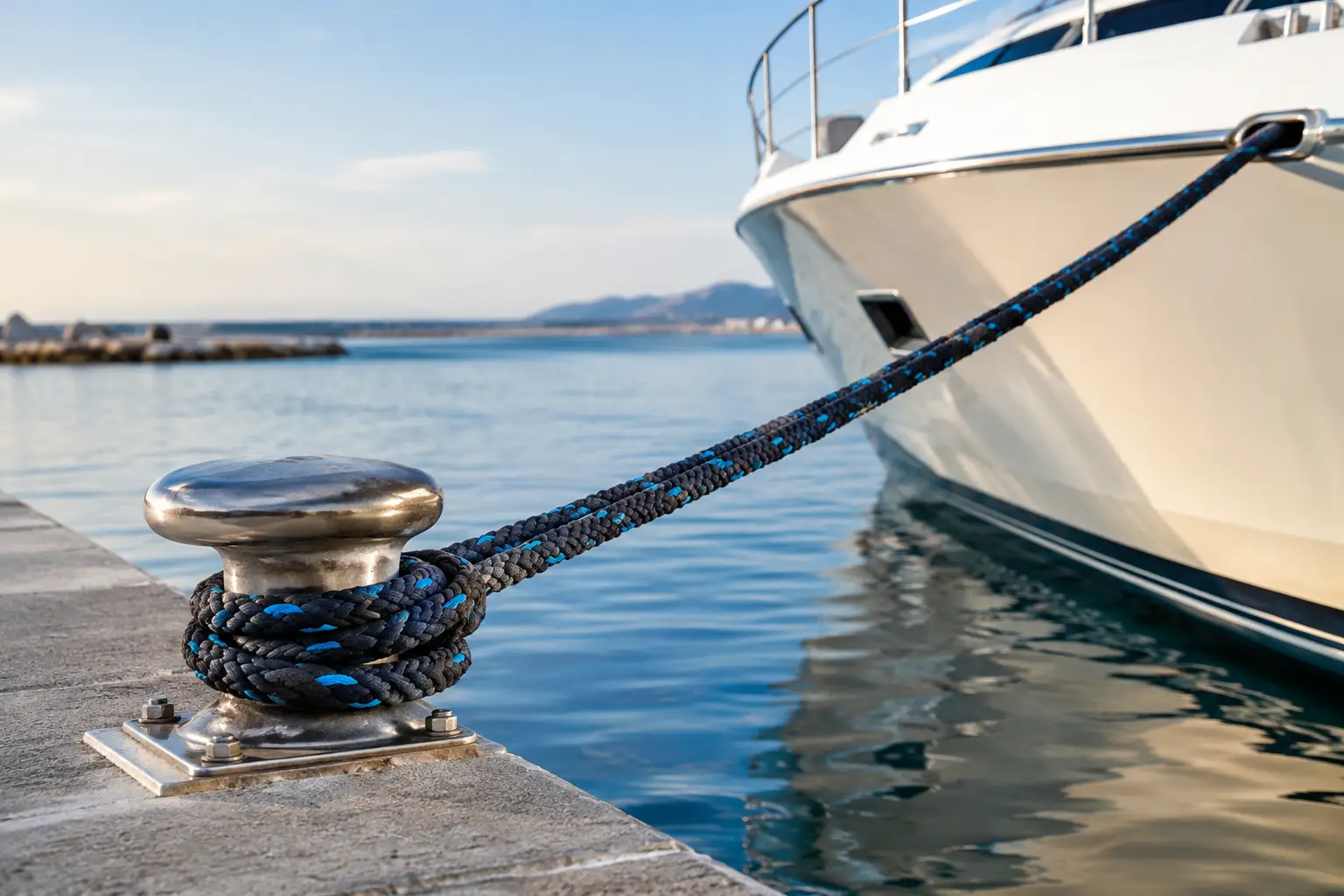
Its weakness is water. In Singapore’s heat and humidity, untreated manila rope left wet will rot, and a rotted rope gives little warning before it fails. So manila rope earns its place where grip, heat and low stretch matter more than buoyancy, and where it can be dried rather than left soaking. For permanent mooring, other materials usually make more sense, a decision covered in our guide to choosing the right mooring ropes.
Polypropylene Rope and Tiger Rope: The Synthetic Workhorses
What Tiger Rope Actually Is
Here is the reveal that reframes the whole purchase. Tiger rope is a three-strand polypropylene rope, sometimes a polypropylene and polyethylene blend, and the yellow-and-black tiger stripe is a high-visibility marker, nothing more. It is not a stronger or separate class of rope. Buyers who treat tiger rope as a premium product are paying attention to a colour, not a material. It is the same polypropylene rope with a paint job that makes it easy to spot on a busy deck or as an exclusion-zone marker.
Where Polypropylene Wins
Polypropylene rope floats, shrugs off rot, mildew and most chemicals, and costs less than almost anything on the rack. That makes it the default for fishing lines, secondary mooring, exclusion-zone marking, and rescue lines where buoyancy and visibility matter. Tiger rope is popular in Singapore’s ports and fishing operations for exactly these reasons. If the rope must float and resist saltwater, synthetic is the obvious family.
Where Polypropylene Fails, and People Ignore It
Polypropylene has three weaknesses people overlook until they cause a problem. It creeps, slowly elongating and losing strength under sustained load. It embrittles under UV, and Singapore’s unshaded sun does this faster than temperate climates, so an unstabilised rope stored outdoors can turn brittle within a season. And it has a low melting point, so friction or heat softens it. The rule follows: never use polypropylene rope or tiger rope for sustained overhead lifting or any life-critical static load. It is a utility and marine line, not a lifting rope.
Reading a Rope Spec: Breaking Load, Working Load and Safety Factor
The number printed largest is usually the minimum breaking load, and it misleads people most. You never load a rope to breaking point. The figure that matters is the safe working load: breaking load divided by a safety factor, commonly 3:1 to 5:1 in marine use. That is where a cheap tiger rope with an impressive breaking-load figure loses its appeal. Apply a 5:1 factor, subtract the strength polypropylene loses to creep and UV, and the usable load sits far below the headline. Choose a rope from its safe working load, not its breaking load on day one.
When No Fibre Rope Will Do: Switch to Wire
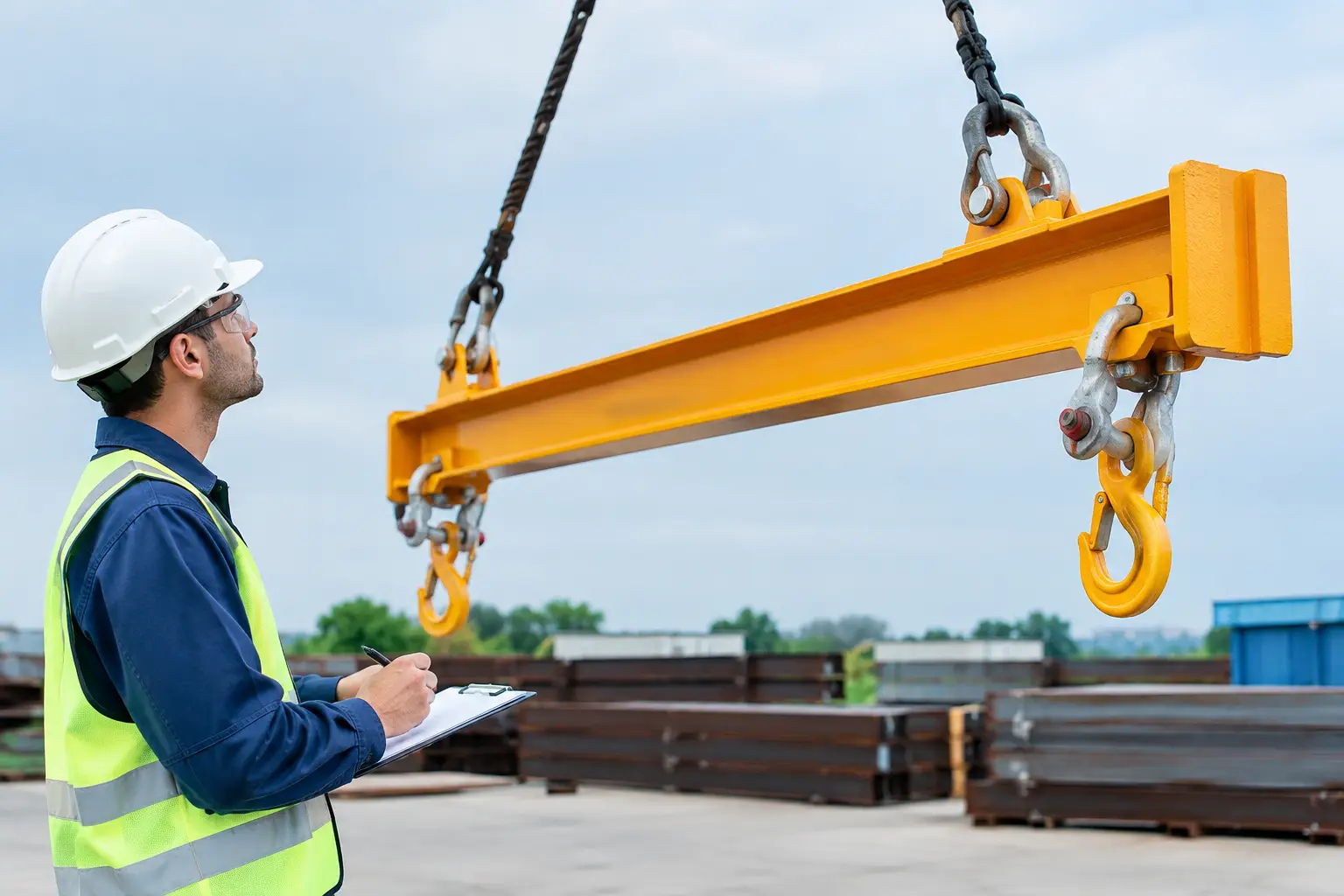
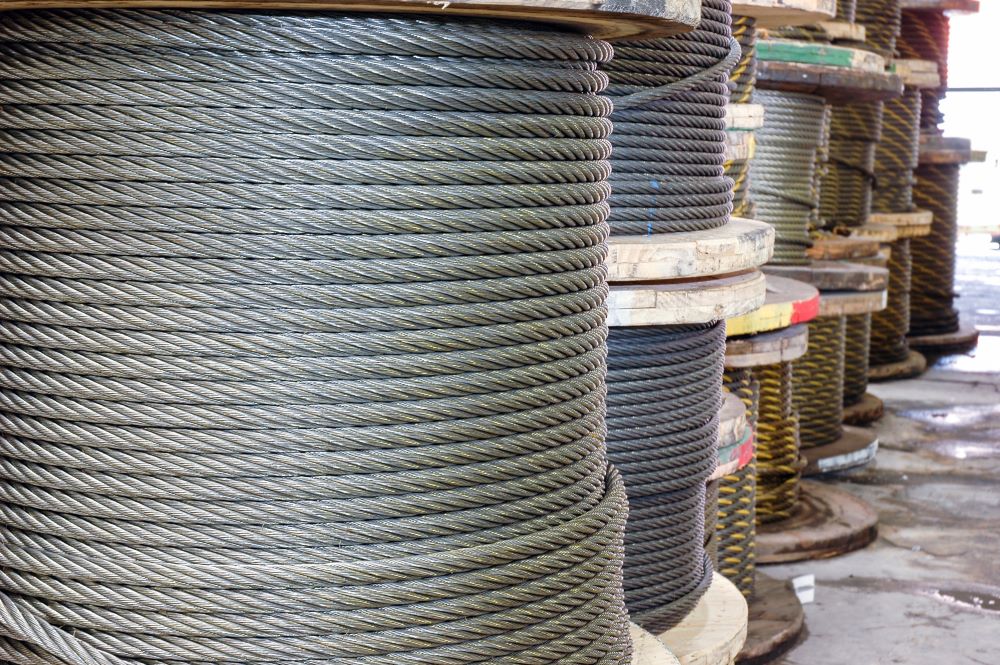
Every fibre rope has a ceiling. Sustained heavy lifting, sharp abrasion over an edge, high heat, and any lift where failure would drop a load onto a person are all beyond what fibre should be asked to do. For overhead lifting the right tool is not a better fibre rope but a different family: a wire rope sling, and our wire rope sling safety guide sets out how to size and inspect one. Matching the rope family to the load is the difference between a working line and an incident report.
Frequently Asked Questions
Is tiger rope the same as polypropylene rope?
Yes. Tiger rope is a three-strand polypropylene rope, sometimes blended with polyethylene, with a high-visibility yellow-and-black pattern. The stripe aids visibility. The material underneath is ordinary polypropylene.
Is manila rope stronger than polypropylene rope?
Not straightforwardly. Manila rope stretches less and holds knots and heat better, while polypropylene resists water and chemicals. For sustained load with low stretch, manila performs well. For wet or chemical exposure, polypropylene lasts longer.
Can you use polypropylene or tiger rope for lifting?
No, not for overhead or life-critical lifting. Polypropylene and tiger rope creep under sustained load and weaken in UV. For lifting, use a rated wire rope sling or a purpose-made lifting sling instead.
Does manila rope rot in Singapore’s climate?
Yes, if left wet. Singapore’s humidity and heat accelerate rot in untreated manila rope. It should be dried after use, stored ventilated, and rotated, or treated to extend its life.
Buy the Rope the Job Needs, Not the One on the Shelf
The mistake is rarely buying a bad rope. It is buying the wrong family for the job: manila rope where water demanded synthetic, or tiger rope where the load demanded wire. Understand the split between natural and synthetic, respect the safe working load, and the rope will outlast the job instead of becoming the reason it stopped.
C&C International Trading has supplied marine and industrial rope across Singapore for more than 30 years, from natural fibre and polypropylene rope through to wire rope and rigging gear, with the technical judgement to match the rope to the application. Talk to our team about the right line for your job.