web analytics

Products

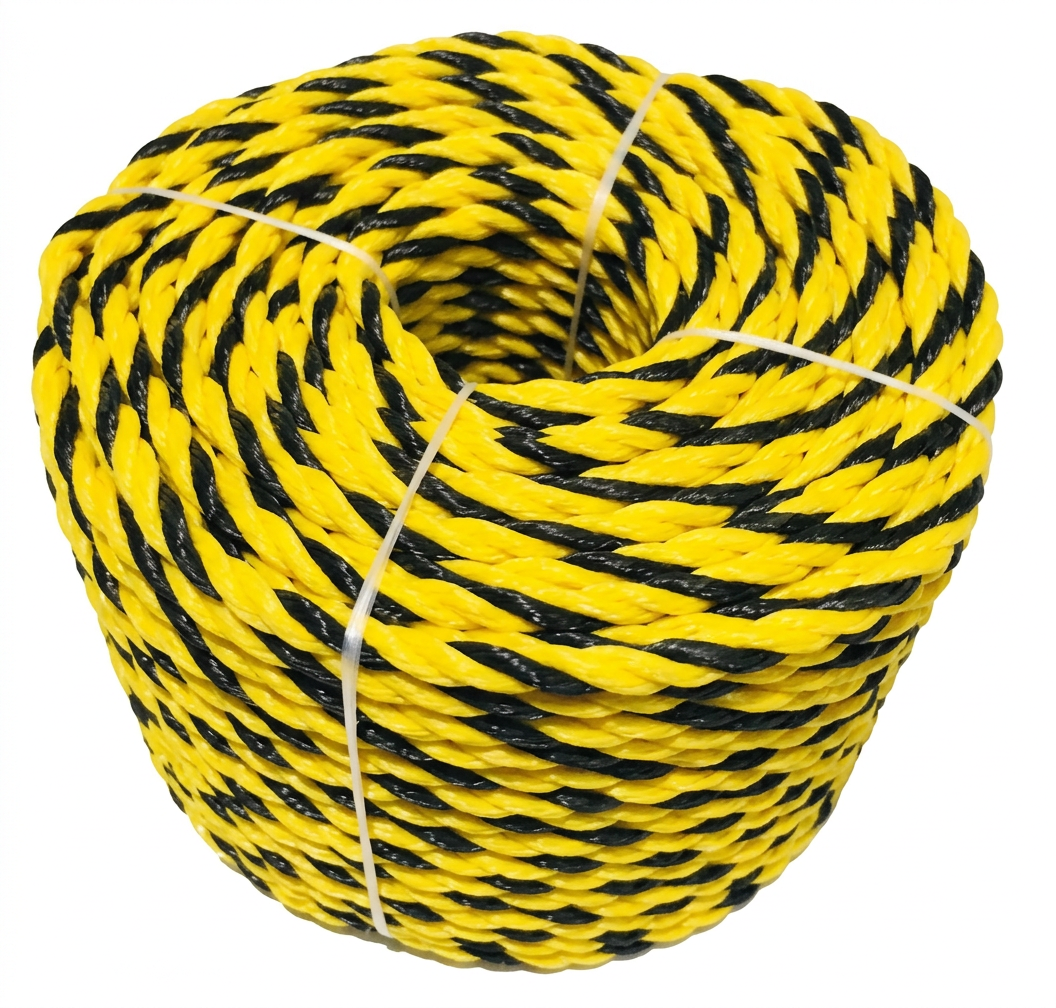
3-Strand Tiger Rope

3-strand tiger rope is a high-visibility, lightweight synthetic rope widely used in the maritime and offshore industries for its durability and buoyancy. Typically manufactured from polypropylene (PP) or polyethylene (PE) monofilaments, it is distinguished by its signature yellow and black striped pattern, which enhances operational safety by improving visibility in marine environments.

Specifications

Common Sizes and Specifications

Tiger rope is commonly available in coils of 200 to 220 meters. Sizes are typically measured by diameter (mm) or circumference (inches):

  • Small Diameters (6mm – 12mm): Used for light rigging, safety lines, and handrails.
  • Medium Diameters (14mm – 24mm): Common for general-purpose marine tasks, including cargo handling and secondary mooring.
  • Large Diameters (Up to 140mm): Heavy-duty versions are utilized for major mooring and offshore operations.

Primary Usage

  • Shipping & Ports: Employed as dock lines, anchor lines, and for securing cargo due to its high tensile strength and resistance to chemicals and rot.
  • Offshore Platforms: Used for marking exclusion zones or dangerous boundaries thanks to its high-visibility “tiger” pattern.
  • Commercial Fishing: Ideal for hauling nets and securing gear because it floats on water and does not absorb moisture.
  • Emergency & Rescue: Often used as safety and rescue lines where visibility and buoyancy are critical.

How to Choose the Right Rope

  1. Material Properties: Choose Polypropylene (PP) for maximum buoyancy and cost-efficiency. Choose Polyethylene (PE) if slightly better UV resistance or specific abrasion needs are required.
  2. Load Capacity: Calculate the required Minimum Breaking Load (MBL). For safety, many maritime standards recommend a safety factor of at least 3:1 or 5:1 (MBS to maximum working load).
  3. Environmental Resistance: Ensure the rope is UV-stabilised if it will be exposed to prolonged sunlight, as synthetic fibres can degrade and become brittle.
  4. Handling Needs: 3-strand ropes are easier to splice on board with basic tools compared to braided alternatives.

Critical Precautions

  • Avoid Overloading: Never exceed the Safe Working Load (SWL). Sudden dynamic loads (snapping) can cause the rope to fail even if the static load is within limits.
  • Inspection for Wear: Regularly check for “fuzziness” (abrasion), discolouration (UV damage), or internal grit, which can cut fibres from the inside.
  • Storage: Store ropes away from direct sunlight and chemicals when not in use to extend their lifespan, typically 12–18 months for standard PP under continuous outdoor use.
  • Thermal Limits: Be aware of the melting point (approx. 165°C for PP); friction from fast-running winches or bitts can melt and weaken the strands.