A cargo net that fits poorly is not a minor inconvenience. On deck, in a warehouse, or at a project laydown area, excess slack, undersized edge ropes, unsuitable fittings, and incorrect mesh size can turn routine cargo control into a dropped-object, snagging, or access problem. Custom cargo net fabrication addresses those risks by building the net around the actual load, anchor points, handling method, and operating environment.
For marine and industrial operators, the objective is not simply to obtain a net of a certain length and width. It is to put a defined piece of equipment into service with clear limits, suitable materials, appropriate hardware, and documentation that supports the job requirement.
Start Custom Cargo Net Fabrication With the Application
The right specification begins with how the net will work in the field. A restraint net over packaged stores faces different demands from a net used to contain irregular equipment, secure cargo during transport, protect an opening, or support a controlled lifting operation. These applications may look similar from a distance, but their load paths and failure consequences are not the same.
A practical fabrication brief should identify the cargo dimensions, total weight, load distribution, intended angle of use, securing points, handling frequency, and exposure to abrasion, saltwater, ultraviolet light, chemicals, or heat. It should also state whether the net is for cargo restraint, containment, access protection, or a lifting-related application. A restraint net must never be assumed suitable for lifting simply because it is made from high-strength rope or fitted with hooks.
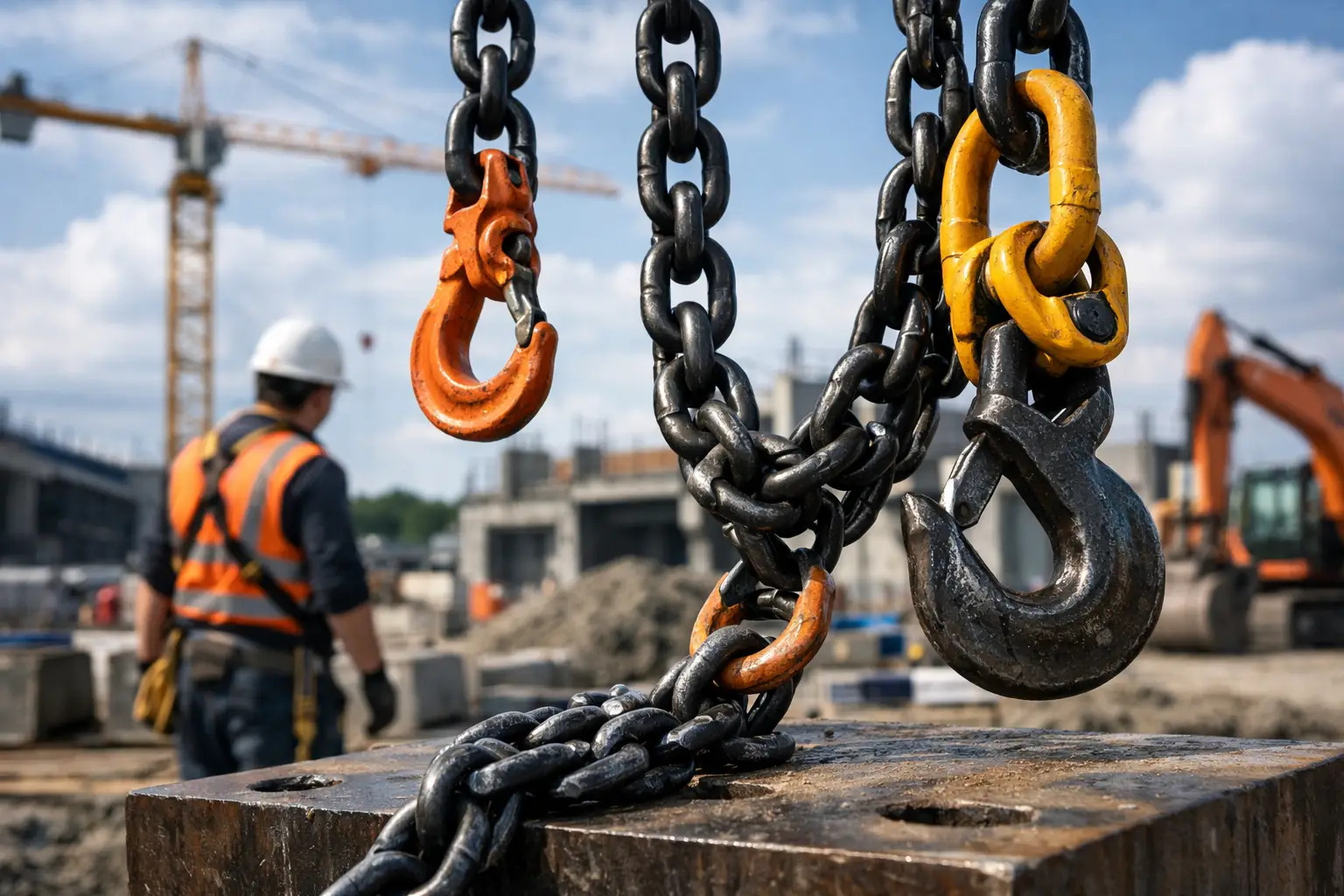
For lifting applications, the complete assembly needs to be considered. This includes the net body, border rope, corner connections, master link or lifting points, shackles, hooks, and the effect of sling angles. The working load limit is governed by the lowest-rated component and by the approved configuration, not by the strength of one individual rope.
Materials Must Match Field Conditions
Synthetic rope is commonly selected for cargo nets because it is lightweight, manageable, and resistant to many marine conditions. Polyester offers low stretch and good ultraviolet resistance, making it a practical choice where shape retention and outdoor service matter. Polypropylene is lightweight and floats, which can be useful for certain marine uses, but it has different abrasion and UV characteristics. Nylon provides good energy absorption but stretches more under load, which may not suit every load-control application.
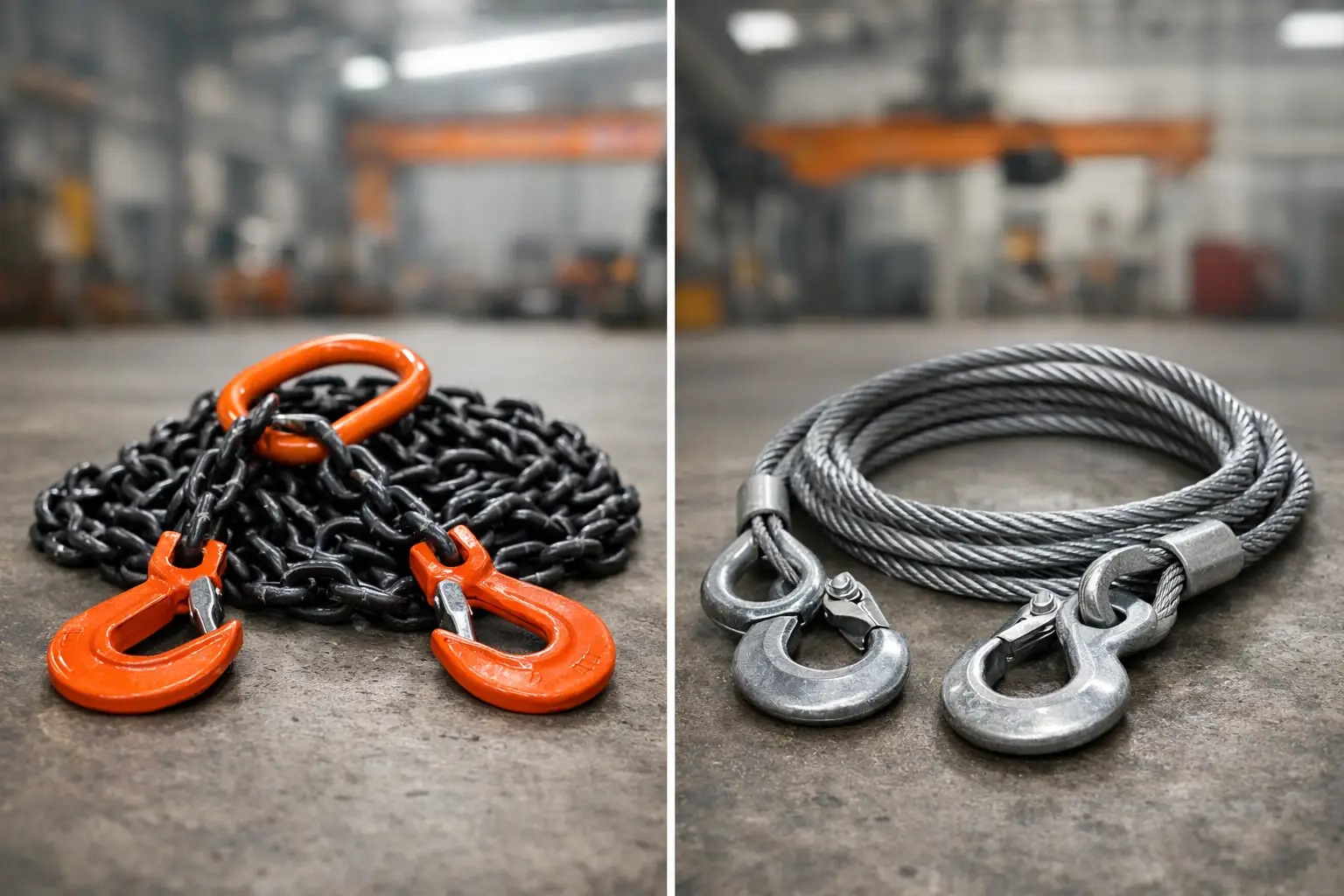
Natural-fiber netting may still have a place where traditional appearance, grip, or specific handling characteristics are required. However, it needs careful consideration in wet or long-term outdoor environments. Wire rope construction may be appropriate for security, high-abrasion, or specialized industrial duties, but it brings greater weight, potential corrosion concerns, and a different inspection regime.
Material selection should account for more than breaking strength. A net installed near sharp steel edges may require chafe protection or sacrificial wear sections. A net stored on an exposed vessel deck needs a material and finish suited to prolonged sun and salt spray. Where a net will contact painted surfaces, sensitive cargo, or finished equipment, the fabricator may recommend softer rope construction, protective sleeves, or controlled connection points.
Mesh Size Controls More Than Cargo Visibility
Mesh size is one of the most visible net dimensions, but its purpose is often misunderstood. A large mesh can reduce material weight and improve handling, yet it may allow small items to shift, protrude, or escape. A smaller mesh provides better containment, but it increases weight, wind loading, and fabrication time.
The correct opening depends on the smallest item that must remain contained, the shape of the load, and whether personnel can come into contact with the net. For palletized goods, the mesh must prevent cartons, loose dunnage, or cargo corners from migrating through the openings. For irregular machinery or marine stores, a tailored shape or reinforced center section may control the load better than a standard rectangular net.
Border construction also matters. The edge rope collects much of the working force and transfers it to the attachment points. A well-specified net may include reinforced perimeter ropes, thimbled eyes, spliced loops, webbing straps, sewn reinforcements, or selected hardware at fixed intervals. The best arrangement depends on the anchor geometry and whether the net needs to be removed frequently.
Fittings Need to Suit the Connection Point
Hooks, shackles, carabiners, snap hooks, rings, and turnbuckles are not interchangeable. The connection must be compatible with the existing pad eye, lashing point, handrail, deck fitting, or lifting hardware. A hook that can rotate or unseat under slack conditions may be unsuitable even if its nominal capacity appears adequate.
For marine use, corrosion resistance is a key requirement. Galvanized components may be appropriate for many outdoor duties, while stainless steel hardware may be preferred where corrosion exposure, appearance, or long-term service conditions justify it. Material compatibility should also be considered to reduce avoidable corrosion between dissimilar metals.
Build for Installation, Inspection, and Replacement
A technically sound net can still create problems if crews cannot install or inspect it efficiently. Custom fabrication should account for the real installation sequence, available access, and the tools personnel can safely use on site. A net that requires workers to reach beyond guardrails, struggle with oversized shackles, or make improvised extensions is not a finished solution.
Where nets are repeatedly removed for loading and unloading, marked connection points can reduce installation errors. Color coding, identification tags, labeled corners, and orientation markings help crews place the correct edge at the correct location. This is especially useful for nets with unequal sides, shaped corners, integrated access openings, or multiple lifting legs.
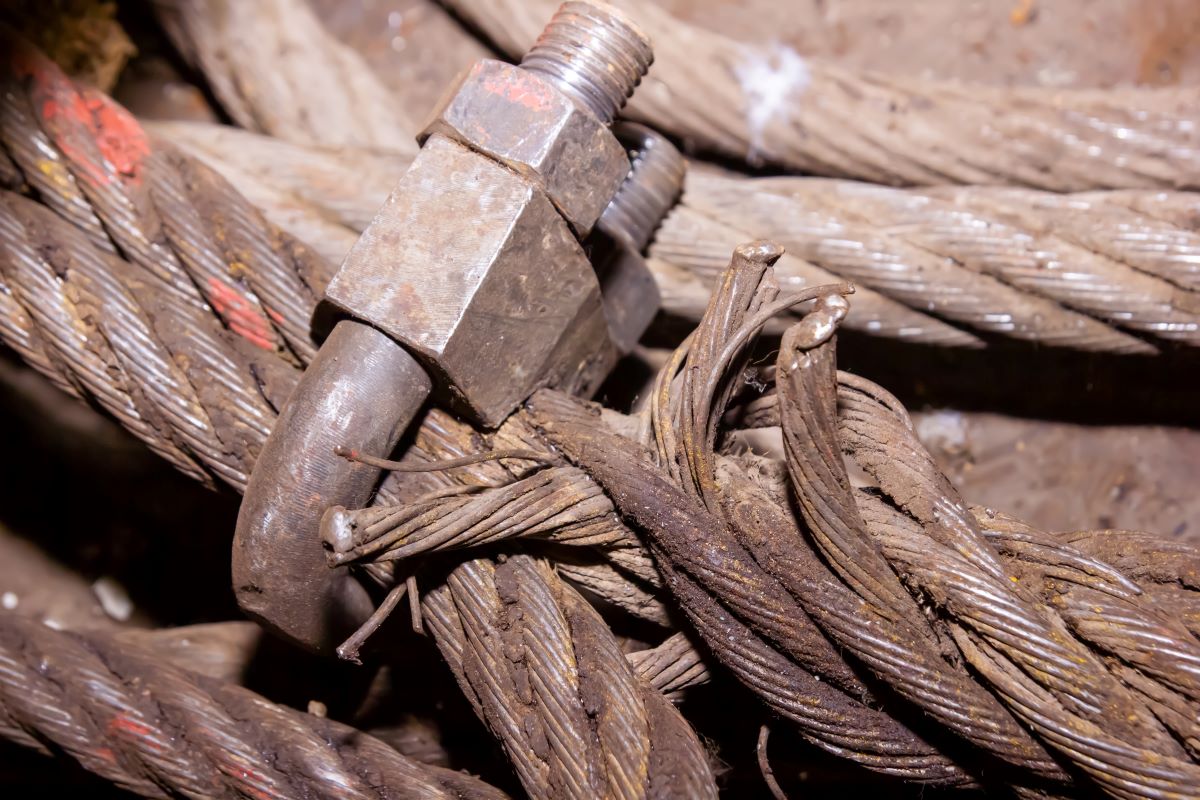
Inspection requirements should be established before the net enters service. Rope nets need checks for cuts, abrasion, melted fibers, broken strands, UV degradation, loose knots or splices, damaged stitching, and deformation around attachment points. Hardware requires inspection for corrosion, cracks, bent gates, worn pins, distorted bodies, and illegible markings. Any damaged component should be removed from service until a competent person has assessed it.
Testing and Documentation Should Reflect the Job
Testing is not a generic label applied after fabrication. The test method, load, acceptance criteria, and certification requirement must be aligned with the net’s intended use and applicable project, client, class, or regulatory requirements. A cargo restraint net may require dimensional verification, material traceability, and proof of assembly quality. A lifting-related net may require defined load testing and certification of the complete assembly.
The documentation package can include material details, rope diameter, mesh dimensions, hardware specifications, identification marking, working load limits where applicable, test records, inspection guidance, and PE-endorsed documentation when the project calls for it. Clear records help the purchaser verify what was supplied and give site teams a reference during inspections and audits.
There is a trade-off between standardized designs and fully bespoke construction. Standard sizes can shorten procurement time for routine containment duties. Custom work is justified when cargo geometry, attachment spacing, environmental exposure, or compliance requirements make a standard net a poor fit. The cost of a properly configured net is often lower than the operational disruption caused by repeated adjustments, damaged cargo, or a failed inspection.
Common Specification Gaps to Avoid
Many net inquiries begin with only a length, width, and desired quantity. That is enough to start a conversation, but not enough to confirm suitability. The following details prevent costly assumptions:
- Intended use: restraint, containment, access protection, or lifting-related duty.
- Cargo weight, dimensions, center of gravity, and whether the load is regular or irregular.
- Required mesh size, border rope arrangement, and any abrasion-prone contact areas.
- Anchor-point type, spacing, connection hardware, and installation access.
- Environmental conditions, required standards, test requirements, and documentation needs.
Photographs, sketches, and measured attachment-point layouts are often as useful as written dimensions. They reveal obstructions, sharp edges, uneven geometry, and clearance constraints that may not appear on a purchase request.
A Fabrication Partner Should Support the Full Scope
The most effective supplier is one that can move from specification review to fabrication, testing, documentation, and site support without handing critical details between multiple parties. For urgent marine and industrial work, this reduces rework and helps keep responsibility clear.
C&C International can fabricate custom nets around defined operational requirements and support the wider rigging scope, including compatible ropes, shackles, lifting hardware, cargo-securing equipment, load testing, and onsite installation where required. That integrated approach is particularly valuable when a net forms only one part of a larger securing or lifting arrangement.
Before releasing a cargo-net order, take the time to confirm the load path, connection points, and operating limits with the people who will use it. A net built to the real job is easier to install, easier to inspect, and far more likely to stay dependable when the schedule is tight.