A shackle may be a small component in a lifting or mooring arrangement, but selecting the wrong body shape can introduce side loading, poor sling seating, pin damage, and avoidable downtime. The D shackle versus bow shackle decision should be made around the planned connection, load path, number of legs, and required certification – not simply by matching a shackle to the available pin diameter.
For a straight, in-line connection, a D shackle is often the cleaner choice. Where multiple sling eyes, a wider attachment, or variable load direction is involved, a bow shackle generally provides more room and better geometry. Neither is automatically safer in every application. The correct shackle is the one used within its marked working load limit, manufacturer instructions, and intended loading conditions.
D Shackle Versus Bow Shackle: The Shape Difference
A D shackle, also called a chain shackle, has a narrow body with sides that run relatively straight from the crown to the pin. Its shape is designed to hold a load in a direct line. This makes it suitable for single-leg lifting slings, chain connections, pad eyes, and other arrangements where the connection remains centered and the load is predictable.
A bow shackle has a larger, rounded body. The wider internal area gives it greater capacity to accommodate multiple sling eyes, webbing slings, wire rope eyes with thimbles, or a connection that needs more articulation. Bow shackles are common in lifting, towing, recovery, marine mooring, and offshore work because real-world load paths are not always perfectly in line.
The larger body of a bow shackle should not be treated as permission to overload it or use it at any angle. Its advantage is connection space and flexibility, not an exemption from the rated load and side-loading limits. Always use the specific manufacturer data for the shackle supplied.
Load Direction Determines the Better Choice
The most useful question is not, “Which shackle is stronger?” It is, “How will the load enter and leave this shackle?” A shackle’s working load limit applies under its stated design conditions, commonly a straight-line pull with the pin correctly engaged and the load seated in the crown.
A D shackle performs well when a single attachment pulls directly through the centerline. Its narrow profile helps prevent an eye or link from moving excessively across the body. In a fixed lifting point connected to one sling leg, that control can be valuable.
A bow shackle is generally better where two sling legs need to connect at the body, or where a wide lifting eye cannot seat correctly in a D shackle. For example, joining a master link to a two-leg bridle may require the increased internal width of a bow shackle. Attempting to crowd multiple attachments into a narrow D shackle can prevent proper seating, create point loading, and make inspection difficult.
Side loading requires particular care. When the force is applied away from the shackle centerline, stresses rise in areas not intended for that load path. Some bow shackles are designed with published reductions or angle limits for limited side loading, but those values vary by design and manufacturer. A generic rule based on shackle appearance is not adequate for a lift plan.
If the connection may rotate, shift, or pull from changing directions, review the full assembly. A swivel, lifting point, spreader beam, or different sling configuration may be needed. Changing from a D shackle to a bow shackle alone does not correct a poor load path.
Pin Type Matters as Much as Body Shape
Shackle selection also includes the pin arrangement. The two common options are screw pin shackles and bolt-type shackles with a nut and retaining cotter pin.
Screw pin shackles are practical for temporary connections, frequent rigging changes, and applications where the pin can be inspected easily. The pin must be fully engaged, tightened according to the manufacturer’s guidance, and checked during use. Rotation or vibration can loosen a screw pin over time, especially in towing, dynamic service, or equipment that moves repeatedly.
Bolt-type shackles are often preferred for longer-term installations, critical lifts, or applications with vibration and movement. The bolt, nut, and cotter pin provide a more secure retained connection, but they must still be assembled correctly. A bolt-type shackle is not interchangeable with a screw-pin body simply because the dimensions appear similar.
Do not substitute a bolt, rod, or unverified pin for the original component. The pin is a load-bearing part of the shackle system. Replacing it without manufacturer approval can invalidate the rating and certification.
Selecting Shackles for Common Field Conditions
For a single vertical sling connected to a pad eye, a D shackle may provide a compact, controlled connection when the sling eye and pad eye fit without binding. For two sling eyes connected at one point, a bow shackle often allows both eyes to sit correctly in the bowl while the pin connects to the lifting point.
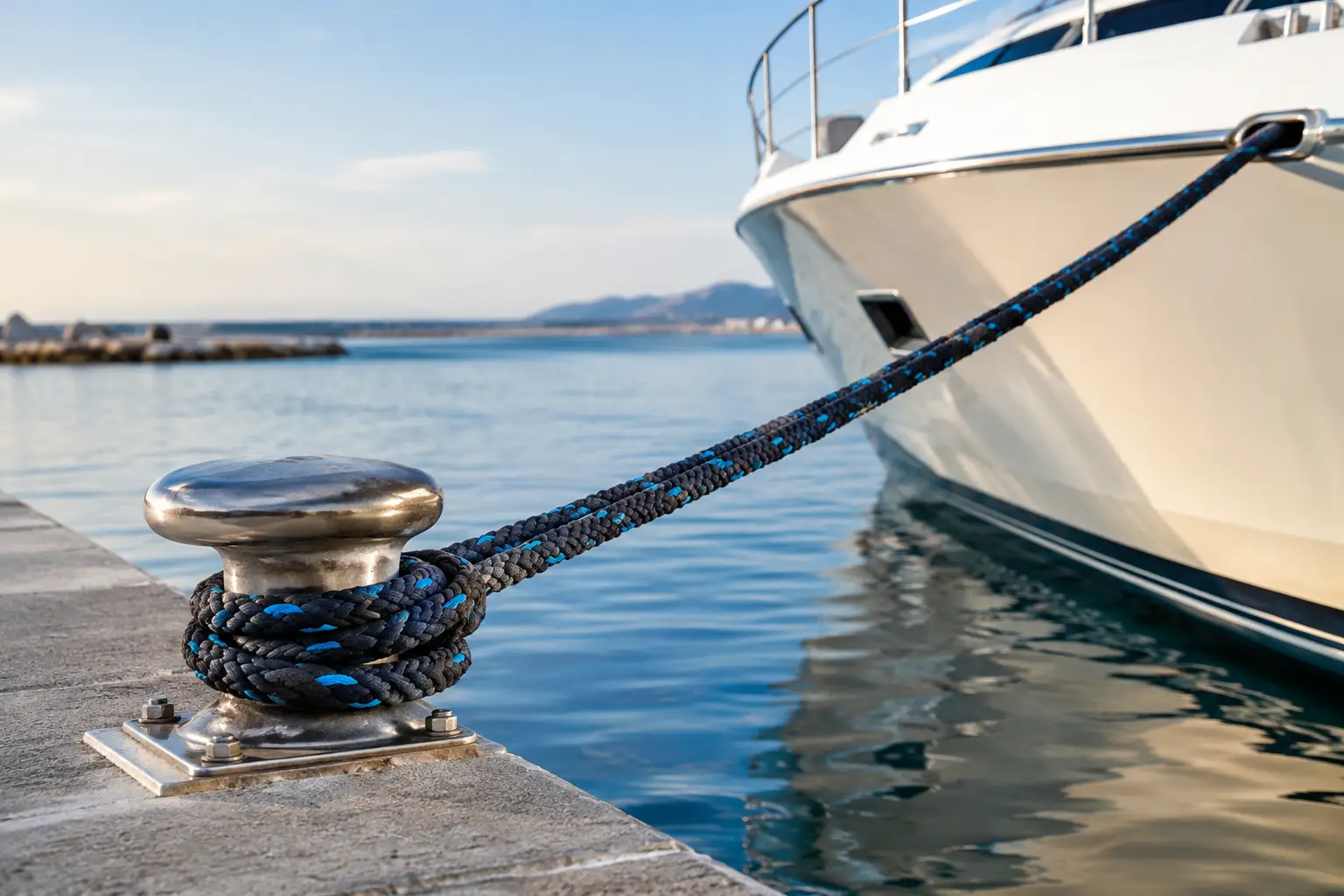
In marine and towing work, bow shackles are frequently selected because movement, changing lead angles, and larger rope terminations demand more space. However, dynamic loading from waves, vessel motion, snatching, or line surge can be severe. The working load limit of the shackle must be considered alongside the line’s minimum breaking force, expected service load, and the overall system design.
For chain assemblies, a D shackle can be appropriate where the chain link aligns directly with the pin and body. If several components are being gathered at one point, verify that each part has adequate bearing area. A connection that fits physically may still be unsuitable if it forces a chain link, thimble, or sling eye against the shackle at an unfavorable angle.
Material selection also affects service life. Galvanized shackles are widely used in marine environments, while alloy shackles are commonly specified for lifting applications requiring high strength-to-size performance. Stainless steel hardware may suit selected corrosion-sensitive applications, but grade, load rating, and compatibility with the full assembly must be verified. Corrosion resistance does not by itself establish lifting suitability.
Inspection and Documentation Are Part of Selection
Before use, confirm the shackle has legible identification. At a minimum, this typically includes the manufacturer’s mark, size, and working load limit. For safety-critical lifting work, procurement records and certificates should allow the item to be traced to its stated specification and test documentation.
Inspect the body and pin for deformation, bent or spread jaws, cracks, deep corrosion, thread damage, gouges, heat damage, and illegible markings. Check that the pin is the correct type and diameter for that shackle and that it seats fully without cross-threading. A pin that will not screw in smoothly may indicate damaged threads or a mismatched component.
Remove a shackle from service if it has been overloaded, dropped from height, exposed to abnormal heat, modified, welded, or damaged. Do not grind out damage or reshape a distorted shackle in the field. Such repairs can alter material properties and remove the basis for the rated capacity.
For planned lifting operations, the shackle should be identified in the lift plan and checked against the sling configuration, lifting-point capacity, load weight, center of gravity, and angle factors. For urgent vessel or site requirements, this same discipline still applies. Speed is useful only when the supplied hardware is configured correctly and supported by complete documentation.
Getting the Connection Right Before Mobilization
A dependable shackle selection starts with practical information: the load or line size, number and type of connected components, expected pull direction, connection dimensions, environment, and whether the equipment is for lifting, lashing, towing, or mooring. Photos and measured dimensions of pad eyes, chain links, thimbles, and lifting lugs can prevent a costly mismatch.
C&C International can support project-specific shackle supply alongside wire rope processing, sling configuration, load testing, and documentation where required. For complex arrangements, review the complete connection rather than ordering a shackle as an isolated item.
The best choice is often clear once the load path is drawn: use a D shackle for a controlled in-line connection, and use a bow shackle where the assembly genuinely needs width and articulation. Then verify the rating, pin security, fit, and records before the equipment reaches the job.