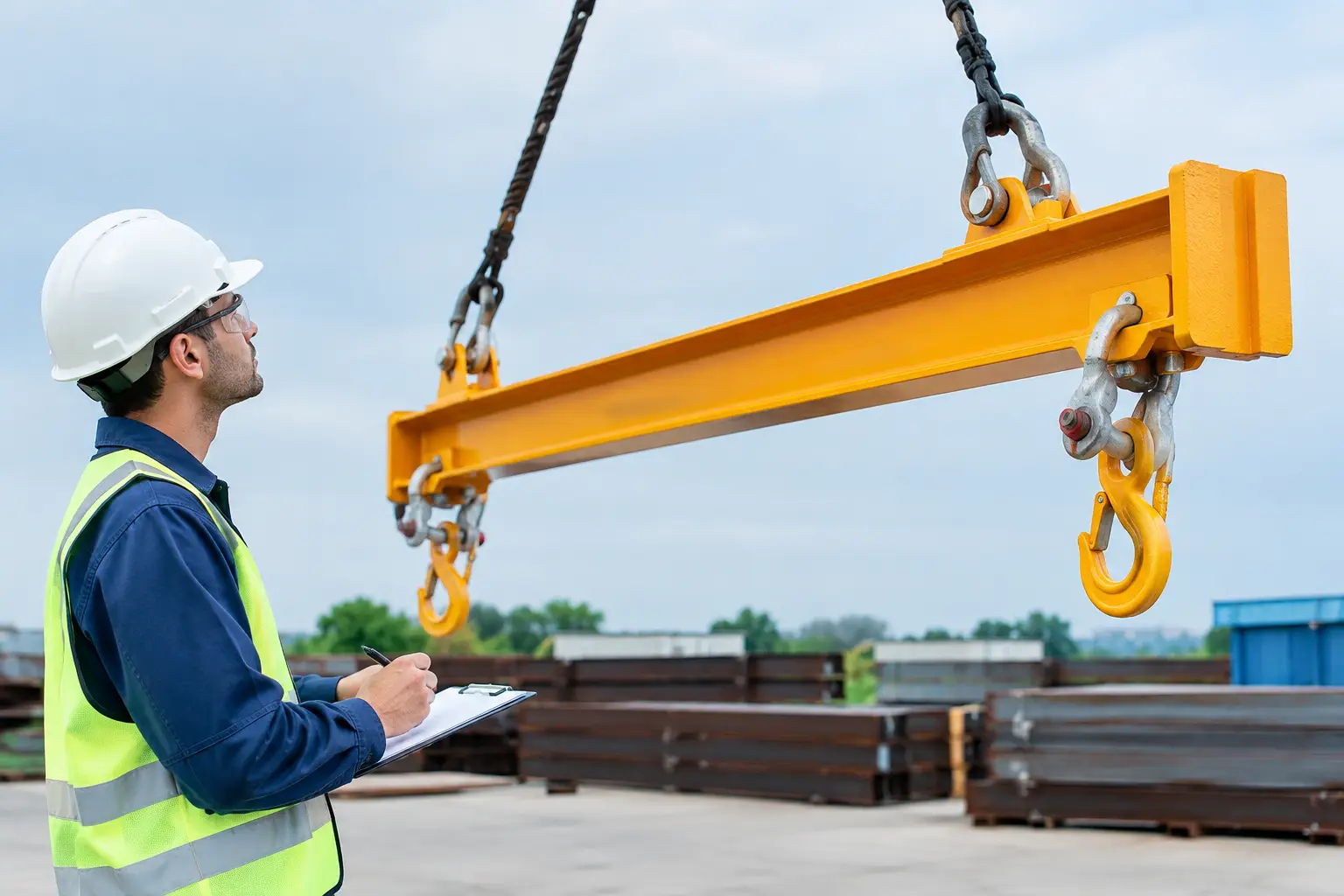
A manual hoist versus electric hoist decision is rarely about lifting capacity alone. The wrong choice can slow cargo operations, introduce unnecessary manual handling, overload a power supply, or leave a maintenance team with equipment that does not suit its actual duty cycle. For marine, offshore, construction, and industrial lifting work, the correct hoist must match the load, lift path, frequency of use, available headroom, and control requirements.
Both types can provide reliable vertical lifting when properly selected, installed, inspected, and operated. The practical difference is how they deliver that lift – and what that means for productivity, control, maintenance, and site readiness.
Manual Hoist Versus Electric Hoist: The Core Difference
A manual hoist uses human effort to raise and lower a load. Chain blocks are typically operated by pulling a hand chain, while lever hoists use a ratchet lever and are often suited to pulling, tensioning, positioning, and short lifting movements. Their mechanical advantage allows one operator to lift substantial loads, but lifting speed depends on the operator and the chain fall configuration.
An electric hoist uses an electric motor, gearbox, brake, and controls to raise or lower the load. It is usually mounted to a fixed suspension point, monorail trolley, or overhead crane system. Depending on the model and arrangement, the operator can control lifting from a pendant station, radio remote, or cabin control.
The distinction matters most when the operation moves beyond occasional lifting. A manual chain block may be the more sensible tool for a valve change or machinery alignment. Repeatedly lifting stores, components, or cargo at the same bay can justify an electric hoist because it reduces cycle time and physical effort.
When a Manual Hoist Is the Better Choice
Manual hoists remain essential equipment in many lifting plans. They are compact, comparatively straightforward, and can be deployed where electrical power is unavailable, impractical, or undesirable. On vessels, remote work fronts, confined spaces, and temporary maintenance locations, this independence is a significant advantage.
A chain block is particularly effective for infrequent vertical lifts from a verified lifting point. Lever hoists offer a different kind of versatility: they can be used for lifting, pulling, dragging, securing, and fine positioning within their rated application. Their portability makes them useful for rigging adjustments, equipment installation, and controlled tensioning work.
Manual hoists also give experienced operators a deliberate lifting pace. For precise alignment of pumps, motors, pipe spools, or structural components, slower movement can be an asset. There is less risk of moving too quickly simply because the equipment is capable of a higher line speed.
That said, manual operation is not automatically safer. Long lifts, heavy loads, awkward operator positions, and repeated cycles create fatigue. Pulling a hand chain at an angle can also cause poor operation, chain wear, or an unsafe body position. A manual hoist should be selected for its rated capacity, but the lifting plan must also consider the effort required over the full travel distance.
Where an Electric Hoist Adds Operational Value
Electric hoists are designed for higher-frequency lifting and applications where consistent speed improves workflow. In workshops, warehouses, fabrication yards, loading areas, engine rooms, and production environments, they can move loads repeatedly with less physical demand on personnel.
The main benefit is not simply speed. It is repeatability. An appropriately specified electric chain hoist can provide controlled lifting across recurring tasks, supporting more predictable turnaround times and reducing the number of people required to handle a lift. When integrated with a push trolley, geared trolley, or motorized trolley, it can also carry a load horizontally along a beam or monorail.
Electric hoists are often the practical choice where loads must be lifted through a long travel repeatedly. Consider routine handling of spare parts, steel sections, machinery assemblies, or packaged cargo. Replacing a manual hoist with an electric unit may reduce delays, but only if the supporting structure, runway, power supply, and operating area are properly engineered for the installation.
Electric equipment introduces its own requirements. Motor duty rating, lifting speed, voltage, phase, control voltage, pendant length, limit switches, brake function, chain container capacity, and environmental protection rating all need review. A hoist suited to a clean indoor workshop may not be appropriate for salt-laden marine conditions, wet decks, exposed offshore locations, or hazardous areas.
Capacity Is Only One Part of Selection
The safe working load or rated capacity must exceed the planned load, including below-the-hook equipment such as slings, shackles, lifting beams, clamps, and hooks. However, selecting a larger hoist simply for extra margin is not always the right answer. A higher-capacity unit can be heavier, require a larger beam, reduce available headroom, and make installation more complex.
Headroom deserves close attention. This is the vertical distance lost between the supporting beam and the lifting hook at its highest position. Low-headroom electric hoists can be valuable where ceiling or deck height is restricted. Manual chain blocks can also offer compact configurations, but the chain fall and hook arrangement still affect usable lift.
Lift height must be specified accurately. Excess load chain adds weight and can create handling or storage issues, while insufficient chain travel can stop a job midway. For electric hoists, confirm whether a chain container is required and whether it can safely accommodate the full chain length.
The supporting point is equally critical. A hoist is only as safe as its suspension. Beam capacity, lug design, padeye certification, trolley compatibility, structural condition, and load path must be verified before use. No hoist should be attached to a handrail, pipe support, unverified beam, or makeshift connection point.
Duty Cycle Changes the Answer
Duty cycle is often the deciding factor in a manual hoist versus electric hoist comparison. It describes how frequently the hoist operates, how long it runs, the loads it handles, and the pattern of starts and stops. An electric hoist intended for occasional maintenance lifts may overheat or wear prematurely if used as a production handling device.
For lower-frequency work, a manual chain block may offer dependable service with fewer installation requirements. For repeated operations throughout a shift, an electric hoist with the correct duty classification is usually the more appropriate investment. The equipment selection should reflect real operating conditions, not just the heaviest expected load.
Consider the full work pattern: number of lifts per hour, average lift height, typical load weight, travel distance, required positioning accuracy, and expected operating environment. This information allows a supplier or lifting specialist to recommend a hoist configuration that is fit for service rather than merely capable of lifting the stated tonnage once.
Control, Visibility, and Operator Position
Manual hoists generally keep the operator close to the load. This can assist with visual control during slow positioning, but it can also place personnel within the line of fire if the load shifts. The operator still needs a clear escape route and must never stand beneath a suspended load.
Electric hoists can allow the operator to stand farther from the load, particularly when a pendant control or remote system is used. This can improve visibility and separation from suspended-load hazards. It does not remove the need for exclusion zones, banksman communication, tag lines where suitable, and disciplined lifting supervision.
For either hoist type, side pulling must be avoided unless the equipment is specifically designed and approved for that application. Hoists are generally intended for vertical loading. Side loading can damage chain, hooks, trolley wheels, and internal components, while making the load unpredictable.
Inspection, Certification, and Service Readiness
A hoist should arrive ready for the job with its identification, rated capacity, inspection status, and supporting documentation in order. Before each use, operators should check the hook safety latch, hook throat opening, chain condition, brake response, controls, limit switches where fitted, and visible signs of damage or distortion.
Periodic thorough examination and load testing requirements depend on the jurisdiction, site rules, equipment type, and application. In safety-critical environments, traceable records matter as much as the equipment itself. Load-test certification, inspection reports, and PE-endorsed documentation may be required for project acceptance or marine operations.
C&C International can supply hoists and associated rigging configured for the lifting arrangement, including compatible slings, shackles, beam clamps, trolleys, and lifting accessories. For planned work or urgent site requirements, selecting the complete system together helps prevent mismatched capacities and incomplete documentation.
The best hoist is the one that gives the crew controlled lifting without adding avoidable effort, delay, or risk. Start with the actual task, verify the lifting point and load path, then select equipment that is rated, documented, and practical for the way the job will be performed.