A rigging package can be correctly specified, certified, and delivered on time, yet still fail the project if it is installed incorrectly at the worksite. Onsite rigging installation services close that gap between supplied equipment and safe operational use. For vessel operators, port teams, offshore contractors, and industrial maintenance crews, the work is not simply fitting hardware together. It is confirming that the installed system matches the approved arrangement, the actual site conditions, and the intended load path.
That distinction matters when schedules are tight. A mismatch in wire rope termination, shackle orientation, sling angle, or anchor-point suitability can delay lifting operations, create a nonconformance, or expose personnel to avoidable risk. A disciplined installation process makes the equipment ready for service with the documentation and field verification needed to support the job.
What Onsite Rigging Installation Services Should Cover
A capable onsite scope begins before the installation crew arrives. Drawings, lifting plans, equipment lists, load data, access restrictions, and work permits should be reviewed against the actual job requirement. This identifies practical issues early, such as insufficient clearance for a reeving arrangement, incompatible connection points, inaccessible pad eyes, or a need for a different sling length.
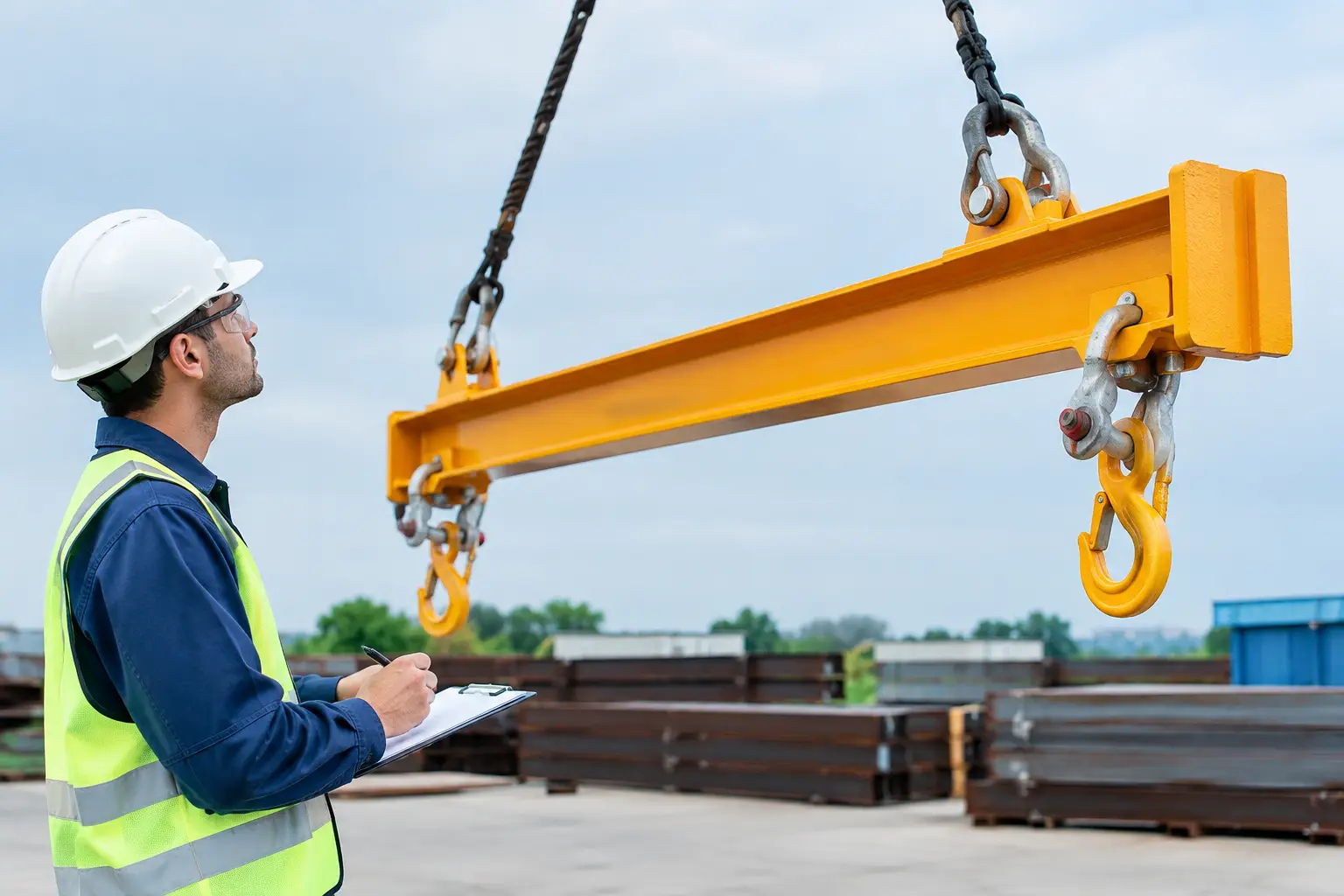
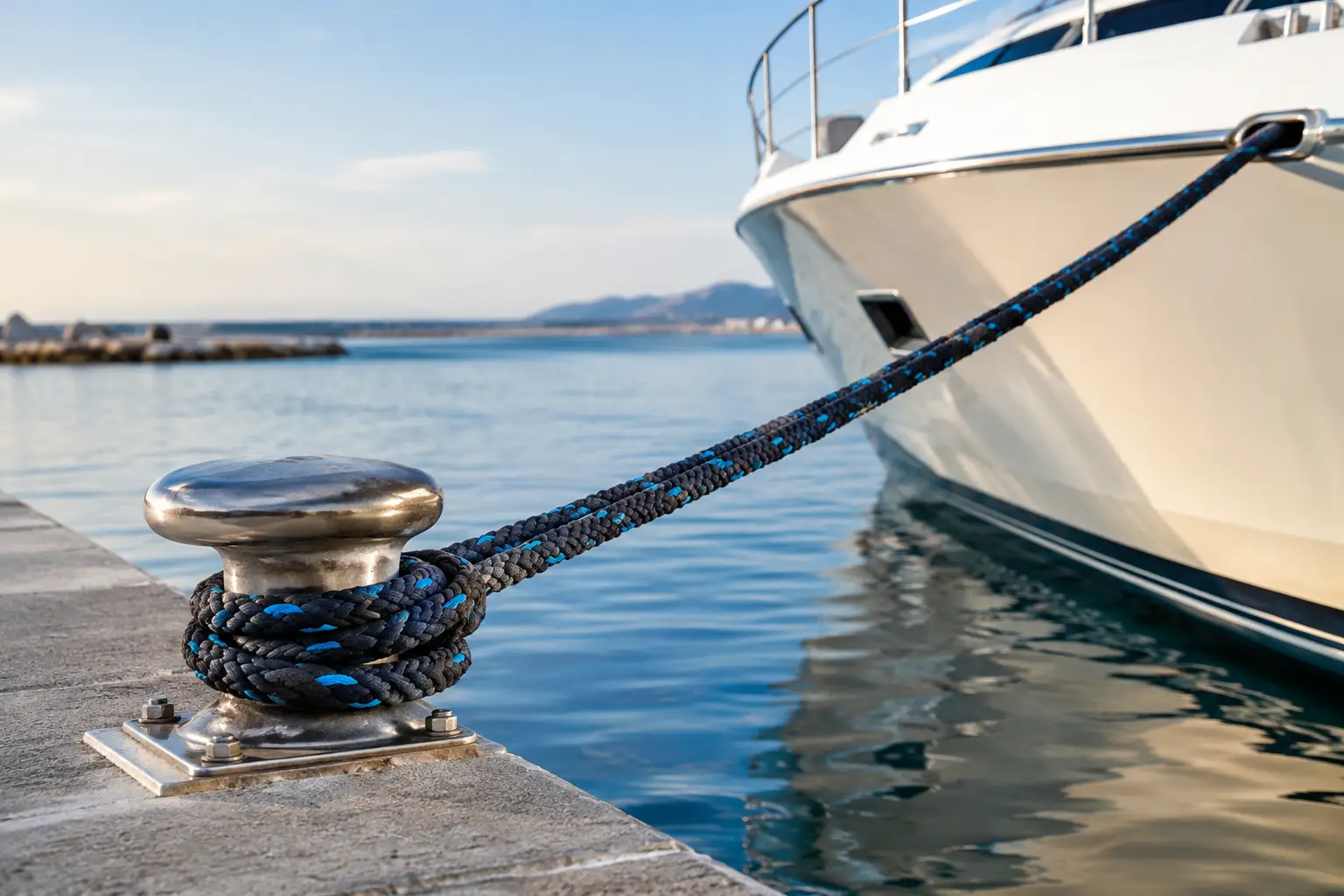
The installation itself may include positioning and securing wire rope assemblies, slings, shackles, turnbuckles, chain fittings, hoists, snatch blocks, lifting clamps, cargo-securing gear, mooring components, nets, ladders, and related hardware. The exact scope depends on the application. A vessel deck arrangement, a crane-rope replacement, a temporary lifting system, and an industrial plant shutdown all require different controls.
The field team should confirm product identification and rating before use, inspect components for transport damage or visible defects, and install each item according to its intended configuration. Where equipment has been fabricated, cut, swaged, or assembled for the project, the installed arrangement must be checked against the approved specification rather than assumed correct because it arrived as a complete set.
Just as important, the work should finish with clear handover records. Depending on the project, these can include certificates, test reports, inspection findings, installation records, equipment identification details, and PE-endorsed documentation where required. The purpose is practical: operations teams need to know exactly what has been installed, where it is installed, and whether it is ready for use.
Installation Is a Load-Path Decision
Rigging hardware does not perform independently. Every component transfers force to the next component, and the system is only as sound as its weakest connection or most unfavorable angle. This is why field installation requires more than matching a shackle size to a sling eye.
Consider a two-leg sling arrangement. As the angle between sling legs increases, tension in each leg rises. A sling that appears adequate in a vertical lift may no longer have sufficient capacity at a shallow angle. The same principle applies to wire-rope reeving, turnbuckle adjustment, connection geometry, and the direction of loading through hooks, clamps, and shackles.
Installers should also assess whether the connection is being side-loaded, whether a pin is properly seated, whether a hook has room to align under load, and whether the load will shift during lifting. These are field-condition questions that may not be obvious from an equipment schedule alone.
For marine and offshore work, corrosion exposure, deck movement, limited access, weather, and vessel operations add further variables. Hardware built tough for offshore and marine use still requires correct fitting, inspection, and protection. A galvanized wire rope or stainless-steel fitting does not remove the need to control abrasion, avoid incompatible metals where relevant, or maintain adequate inspection access.
When Site Conditions Change the Specification
It is common for site conditions to differ from the original plan. An available lifting point may be offset from the load center, an installed structure may obstruct the planned route, or the actual dimensions may vary from the drawing. In these cases, forcing the original arrangement into place is not a solution.
The right response may be to revise sling lengths, change a connector, add edge protection, use a different reeving method, or pause work until the lifting plan is reviewed. Not every variation requires a full redesign, but every variation should be assessed by a competent person with authority to stop an unsafe installation.
This is where an integrated service partner provides value. The ability to supply replacement components, cut and swage wire rope to spec, fabricate a custom item, arrange load testing, and return to site reduces the handoffs that often extend a shutdown or vessel turnaround.
Pre-Installation Checks That Prevent Rework
Before mobilization, the installation team and project representative should agree on the work boundary and acceptance criteria. This includes the equipment to be fitted, the applicable drawings or lifting plan, access arrangements, isolation requirements, and the records required at handover.
At site, checks should cover the condition and suitability of anchor points, supporting structures, lifting appliances, and existing rigging that will remain in service. A rated shackle cannot compensate for an unverified pad eye or a damaged lifting lug. If the installation interfaces with customer-supplied equipment, responsibilities for inspection and acceptance should be clear.
There is also a practical logistics element. Large wire-rope coils, heavy chain assemblies, spreader components, and mooring lines need suitable handling equipment and laydown space. Poor staging can create kinks in wire rope, damage protective coatings, or introduce contamination before the equipment is even installed.
For urgent work, speed remains important, but fast execution should not mean skipping identification checks or documentation. The better approach is to prepare the job pack in advance, mobilize the right tools and personnel, and ensure that replacement materials can be processed quickly if measurements must be confirmed onsite.
Competence, Supervision, and Clear Authority
Rigging installation involves physical work, but safe results rely on technical judgment. Personnel need to understand hardware markings, working load limits, sling-angle effects, wire-rope handling, termination requirements, and the restrictions of the equipment they are fitting. They must also work within the approved lifting plan and site permit system.
Supervision matters most at transition points: when equipment is accepted from supply, when a configuration changes, before initial tension is applied, and before the system is released for operational use. A final visual check is useful, but it is not a substitute for verification throughout the work.
The installation team should have a clear escalation path if an item is damaged, uncertified, incorrectly identified, or unsuitable for the actual setup. Continuing because a replacement is inconvenient is a poor trade-off in any safety-critical environment.
C&C International Trading supports projects with equipment supply, technical processing, certified load testing, and field installation support as part of one accountable workflow. That approach is particularly useful when a job calls for more than standard catalog items and the final configuration must be confirmed at site.
Documentation Is Part of the Deliverable
Documentation is sometimes treated as paperwork to complete after the job. In rigging work, it is part of the control system. Certificates establish the equipment’s traceability and rated capacity. Test records support acceptance where testing is required. Installation and inspection records show what was fitted and the condition observed at handover.
The required level of documentation depends on the customer, industry, equipment type, and project specification. A temporary noncritical arrangement may require a simpler record than a lifting system used for a major lift, offshore operation, or regulated vessel application. The requirement should be agreed early so that certificates, serial numbers, and endorsements are collected in the correct format.
Good records also make future inspections more efficient. When a wire-rope assembly, chain sling, or lifting fixture returns for periodic examination, the operations team can identify its history rather than relying on incomplete site memory.
Selecting a Service Partner for Field Work
The right provider should be evaluated on more than product availability. Ask whether the team can interpret project requirements, process equipment to specification, verify site conditions, coordinate with lifting supervisors, and provide complete handover documentation. For marine and industrial operators, responsiveness also matters, especially when installation forms part of a repair window or planned shutdown.
Capability should be matched to the work. A simple replacement of like-for-like certified hardware may need straightforward field support. A complex reeving arrangement, custom lifting beam connection, vessel mooring installation, or multi-point lifting setup requires deeper planning and closer technical control. The more interfaces and load-path changes involved, the less suitable a one-size-fits-all approach becomes.
A properly installed rigging system gives the operations team something more useful than equipment on site: a verified arrangement that can be put to work with confidence, supported by records that remain useful long after the crew has cleared the job.