A loose lashing, undersized chain, or missing certificate can stop a vessel turnaround or hold up a heavy transport job long after the cargo has arrived at the terminal. Selecting cargo securing equipment suppliers is therefore not simply a purchasing exercise. It is a decision about whether the equipment delivered to site is correctly rated, traceable, fit for the cargo arrangement, and ready to use.
For marine, offshore, port, and industrial operations, the right supplier helps the team move from a securing plan to compliant, job-ready hardware without avoidable rework. The difference is especially clear when requirements are urgent, specifications are incomplete, or equipment must be modified, tested, and documented before release.
What Cargo Securing Equipment Must Achieve
Cargo securing equipment restrains cargo against the forces created by vessel motion, braking, acceleration, lifting, vibration, and changing load distribution. Its purpose is not merely to prevent visible movement. It must maintain load restraint under the conditions the operation is expected to encounter, while protecting both the cargo and the structure to which it is secured.
The required arrangement depends on the cargo type, weight, center of gravity, stowage position, available lashing points, and mode of transport. A steel coil, project module, machinery skid, containerized unit, or deck cargo will not call for the same combination of equipment. The securing system must also account for angles, edge contact, tension loss, corrosion exposure, and access for inspection.
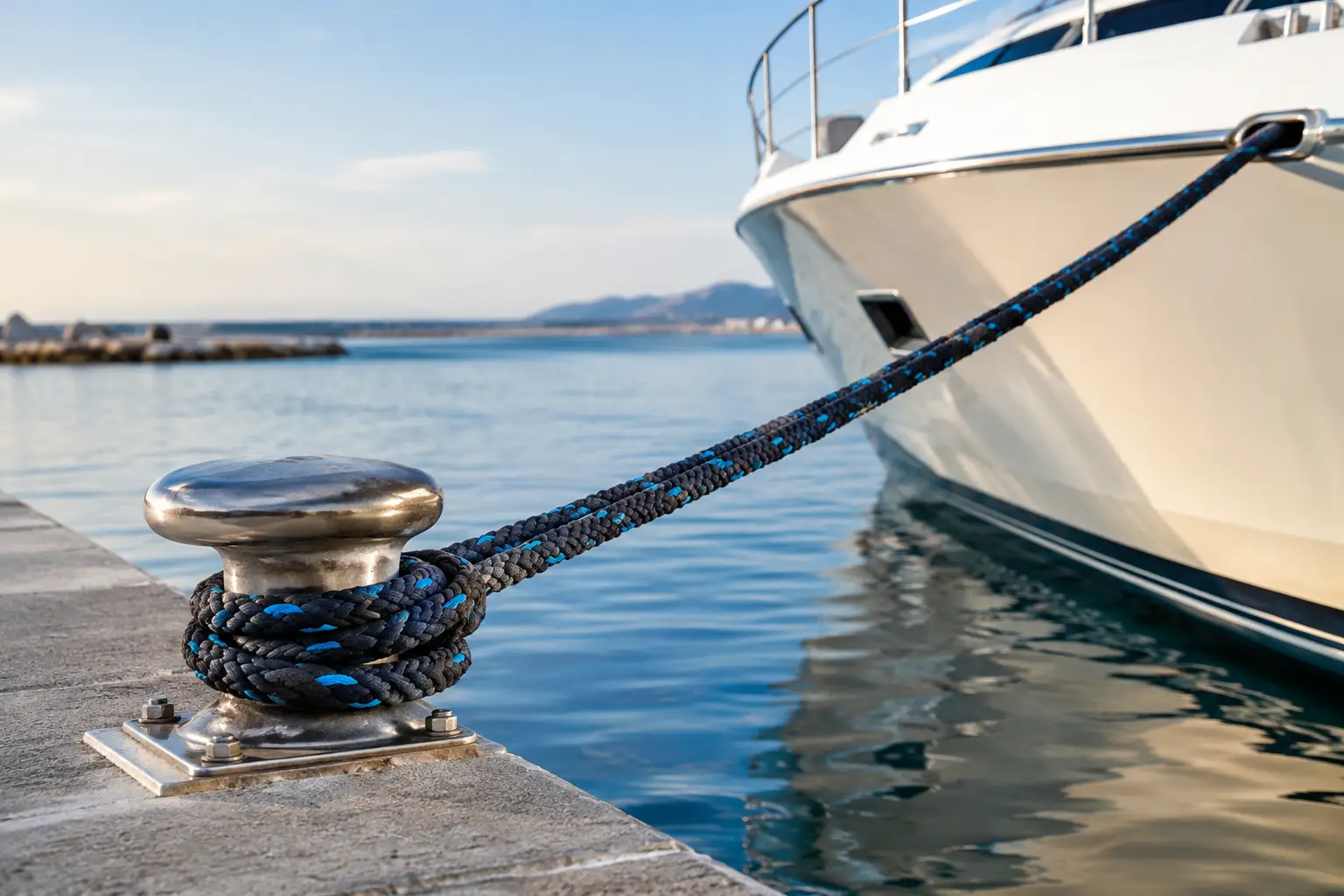
Common equipment may include lashing chains, webbing straps, turnbuckles, bottle screws, wire-rope slings, shackles, hooks, tensioners, D-rings, pad eyes, twistlocks, container lashing bars, and protective corner materials. In many cases, the individual component is only as reliable as the complete system. A correctly rated chain does not compensate for an unsuitable anchor point or an incorrect lashing angle.
What to Look for in Cargo Securing Equipment Suppliers
The most useful cargo securing equipment suppliers do more than quote catalog part numbers. They ask enough technical questions to establish whether a proposed item will work in the actual application. That capability matters when equipment will be used offshore, exposed to saltwater, fitted to nonstandard cargo, or supplied against a tight mobilization schedule.
Product range should support the whole arrangement
A broad, relevant inventory reduces the risk of combining incompatible items from multiple sources. Procurement teams often need chains, shackles, turnbuckles, wire rope, hooks, lifting accessories, and marine hardware at the same time. Sourcing these through one accountable supplier can simplify compatibility checks, documentation control, packing, and delivery coordination.
Range alone is not enough. The supplier should understand the limitations of each product category. For example, a turnbuckle selected for tension adjustment must have the correct end fittings, thread condition, and working load limit for the system. A ratchet strap may be practical for protected cargo on land transport but unsuitable for long-term marine deck exposure without the right material, protection, and inspection regime.
Certification and traceability must be clear
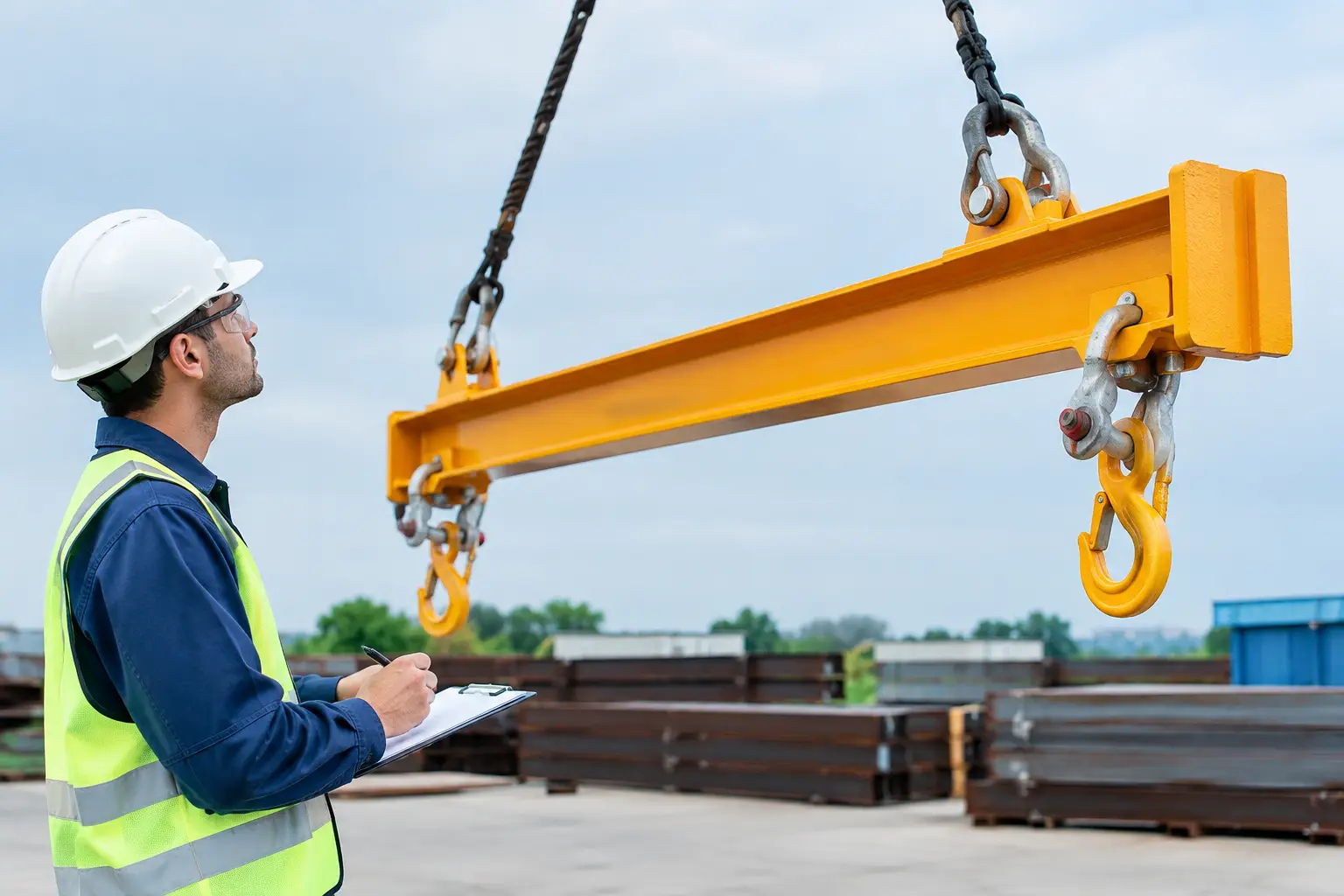
Safety-critical cargo-securing hardware should arrive with documentation appropriate to the item and application. Depending on the scope, this can include material certificates, manufacturer test certificates, certificates of conformity, proof-load test records, serial-number traceability, and PE-endorsed documentation.
Ask how the supplier controls certificates when items are cut, swaged, assembled, or supplied as a kit. Traceability becomes more complex once wire rope is processed into a finished sling or a chain assembly is configured with hooks and connectors. The documentation should identify the completed assembly, its working load limit where applicable, and the testing or inspection performed.
A certificate is not a substitute for correct selection, but missing or unclear records create avoidable exposure during client audits, vessel inspections, handovers, and incident investigations. The best time to resolve documentation requirements is before the purchase order is released, not after the equipment has reached the quayside.
Technical processing can prevent site delays
Standard lengths and off-the-shelf fittings are rarely ideal for every project. Wire rope may need to be cut and swaged to specification. Lashing chains may require particular lengths or end connections. Cargo nets, restraint assemblies, and access equipment may need fabrication around a defined footprint or attachment method.
A supplier with in-house processing can control these steps before dispatch. That gives operations teams a better chance of receiving equipment that can be installed directly rather than adjusted in the field. It also reduces the temptation to make unapproved modifications under time pressure, such as adding makeshift connectors, shortening chain by unsafe methods, or using hardware outside its intended configuration.
Where the application warrants it, load testing after fabrication provides an additional level of assurance. It is particularly valuable for custom assemblies, lifting-related restraint systems, and project cargo arrangements where client specifications require test evidence.
Availability matters, but verification matters more
Fast supply is valuable when a vessel is alongside, a shutdown window is open, or cargo is waiting for release. Yet speed should not mean accepting unknown origin hardware, incomplete certificates, or substituted components without approval.
A capable supplier maintains practical stock and gives clear advice when the requested item is unavailable. The alternative may be a different size, grade, finish, or configuration, but any substitute should be checked against the securing plan and approved by the responsible person. A quick delivery that introduces a rating mismatch can create more delay than it prevents.
For repeat work, establish common specifications in advance. Agreed sizes, grades, preferred fittings, certificate formats, and packing requirements make urgent orders easier to execute correctly. This approach is useful for vessel operators, terminals, and contractors that routinely support similar cargo profiles.
Questions to Settle Before Ordering
A clear request for quotation produces a better technical response. Provide the cargo description, weight, dimensions, anticipated forces or transport mode, number of securing points, required lashing angles, and the type of deck or transport structure involved. If a drawing, lashing plan, or photos are available, include them.
Also confirm whether the equipment is intended for one-time transport, repeated use, offshore exposure, or permanent installation. These conditions affect material selection, corrosion protection, inspection frequency, and whether rental equipment may be suitable. Galvanized, painted, stainless steel, alloy steel, and synthetic materials each present different cost, durability, and suitability considerations.
Before committing, clarify four practical points:
- What is the working load limit of every load-bearing component, and is it suitable at the intended angle?
- What certificates, test records, and identification markings will be supplied with the completed equipment?
- Can the supplier cut, swage, fabricate, test, or assemble the equipment to the required specification?
- What is the realistic lead time for supply, processing, inspection, and delivery to the vessel, yard, or project site?
These questions help separate a stockist from a supplier that can support the full operational requirement.
Inspection and Lifecycle Support Are Part of Supply
Cargo-securing equipment is often exposed to conditions that shorten its service life: saltwater, abrasion, impact, over-tensioning, poor storage, chemical contamination, and unauthorized modification. A sound supply decision considers what happens after delivery.
Teams should inspect equipment before use and at intervals set by their operating procedures and applicable requirements. Remove items from service when there are signs of deformation, damaged threads, excessive corrosion, cracked welds, broken wires, cuts in webbing, illegible markings, or any uncertainty about loading history. Equipment that has been shock loaded or involved in a cargo shift needs competent assessment before it returns to work.
Supplier support can be valuable here. C&C International Trading Pte Ltd supports marine and industrial customers with equipment supply alongside wire-rope processing, load-test certification, custom fabrication, onsite rigging support, and repeat procurement planning. For operations that cannot afford scattered accountability, this combination helps keep equipment specification, documentation, and field requirements aligned.
Choose for the Job You Need to Complete
The lowest unit price can be a false economy when it leads to separate testing, missing paperwork, unsuitable fittings, or an installation crew waiting for corrected equipment. Conversely, not every job needs a highly customized assembly. Standard certified hardware may be the sensible choice for a straightforward, repeatable arrangement.
The right decision depends on cargo risk, operating environment, schedule, and the consequences of failure. Start with the securing requirement, then choose a supplier that can show how its equipment, processing, certification, and delivery plan meet that requirement. When the cargo is ready to move, the securing equipment should already be ready to perform.