A vessel can arrive on schedule, have cargo ready, and still lose valuable time at the berth because a mooring arrangement is not fit for the actual conditions. Marine mooring solutions are not simply a matter of supplying rope. They require the correct rope construction, diameter, termination, accessories, inspection status, and documentation for the vessel, berth, operating loads, and local procedures.
For operators, superintendents, and procurement teams, the objective is clear: keep people safe, maintain vessel control alongside, and avoid preventable delays caused by damaged, mismatched, or poorly managed mooring equipment. That calls for equipment selected on technical evidence, not only availability or nominal breaking strength.
What Marine Mooring Solutions Must Address
A complete mooring arrangement has to work as a system. The main lines, tails where used, chafing protection, connecting hardware, fairleads, bitts, winches, and shore-side berth geometry all influence performance. A good rope can still be the wrong solution if its elasticity does not suit the application, its eye is incorrectly made, or its connection introduces an incompatible component into the line.
The first question is not simply, “What rope diameter is required?” It is, “What loads will this line see in service?” Windage area, current, tidal range, passing traffic, swell, cargo condition, vessel displacement, and berth exposure affect line loading. A sheltered terminal with controlled movements presents a different requirement from an exposed jetty, offshore support location, or vessel operating in a high-current channel.
Rope choice must also take account of handling. Deck crews need lines that can be deployed, stored, inspected, and recovered safely with the equipment on board. Weight, flexibility, abrasion resistance, recoil behavior, and resistance to chemical or UV exposure may all matter. The right configuration is often a balance between performance, crew handling, service life, and replacement planning.
Selecting the Right Mooring Rope Material
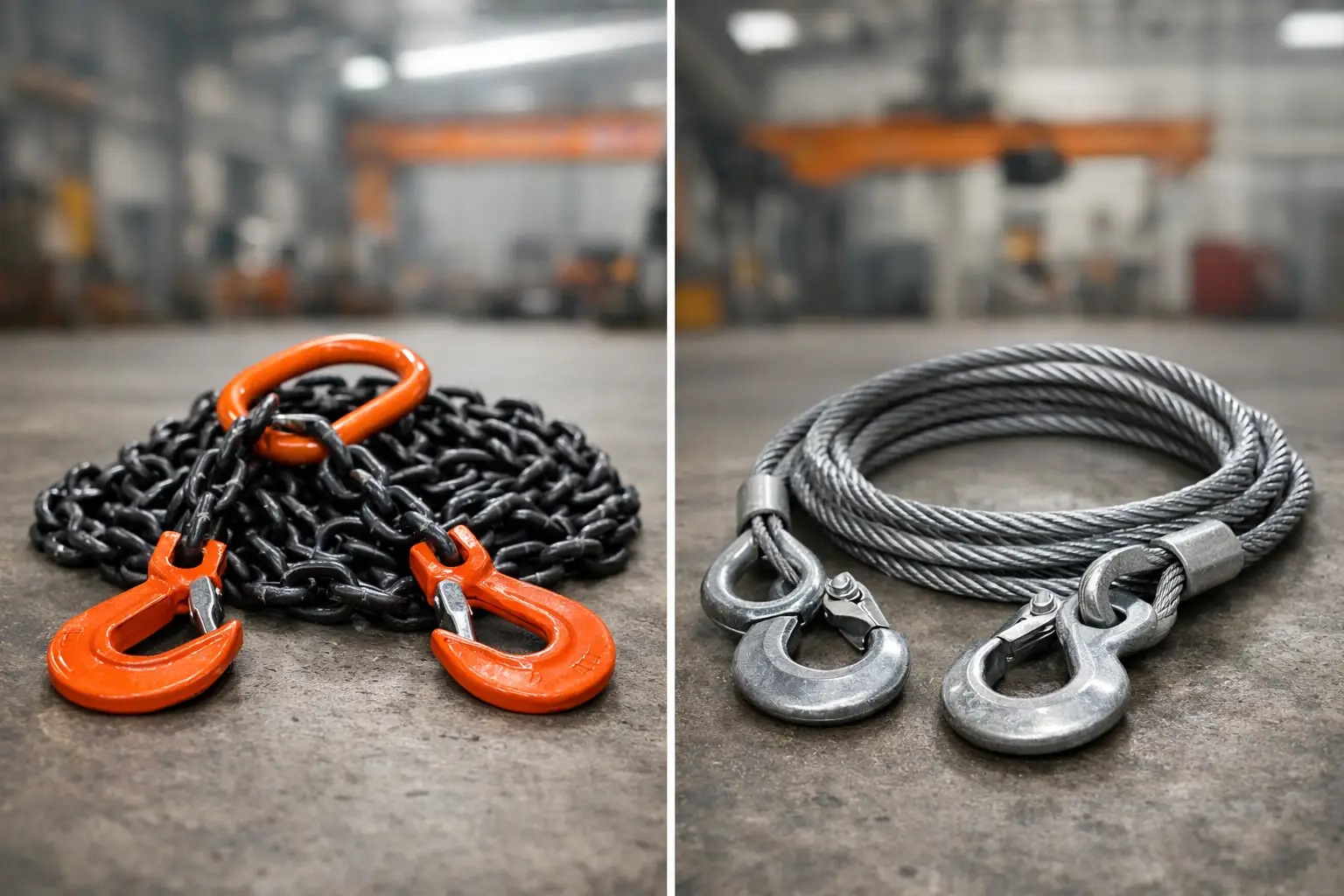
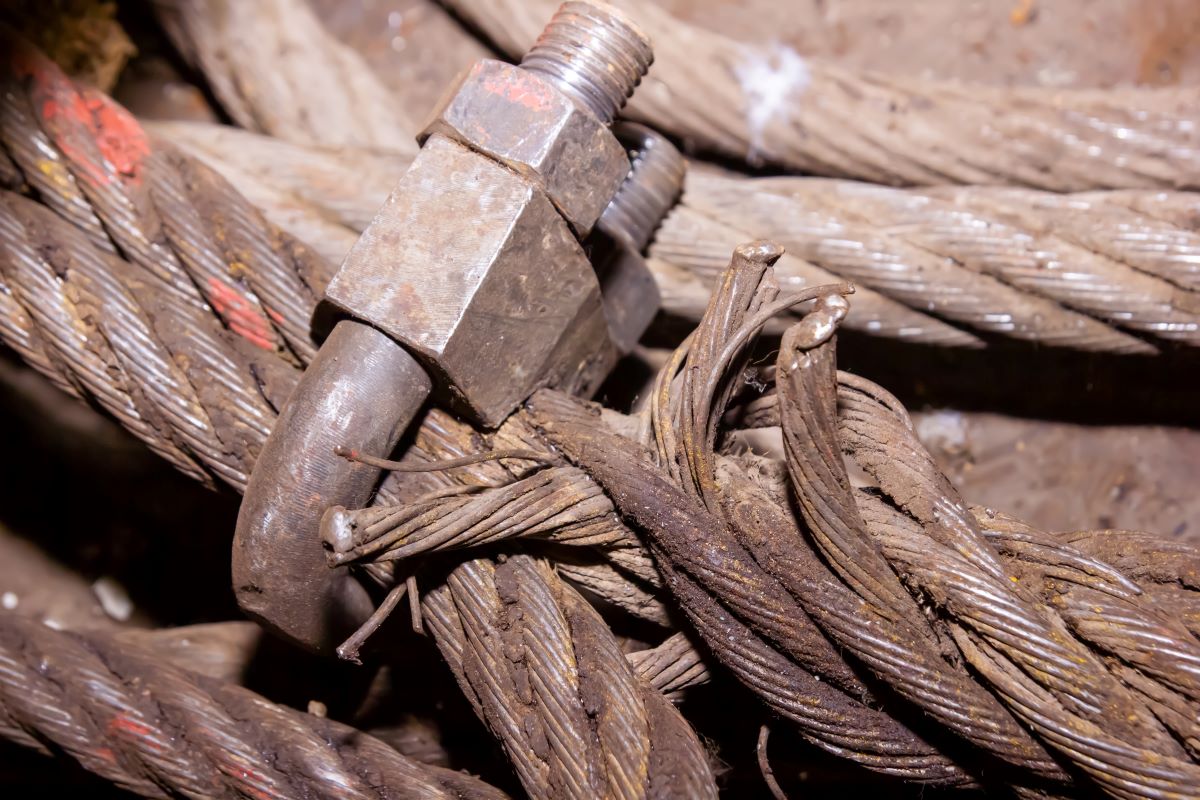
Steel wire rope remains relevant where high strength, dimensional stability, and resistance to certain working conditions are required. It is commonly specified for towing, winch applications, and demanding marine duties. However, it requires disciplined inspection and lubrication practices, and damaged strands, corrosion, crushing, kinking, and termination condition must be assessed before continued use.
Synthetic fiber ropes are widely used for vessel mooring because they offer lower weight and easier handling than wire. Polyester is valued for its controlled elongation, strength retention, and suitability for many marine applications. Polypropylene may be chosen where buoyancy and economical replacement are priorities, though its working characteristics differ from polyester. High-performance synthetic fibers may suit specialized duty where low stretch, high strength, or reduced weight is required, but selection should consider abrasion exposure, heat sensitivity, bending behavior, and compatibility with existing deck equipment.
Natural-fiber rope still has a place in selected ship-supply and marine support tasks, but it should not be treated as interchangeable with modern synthetic mooring lines. Its moisture response, storage needs, and strength characteristics must be understood before it is assigned to critical work.
No material is automatically best. A line that performs well on one vessel may be unsuitable on another because of winch brake settings, drum capacity, fairlead condition, line lead angles, or the operating environment. Technical review before supply prevents expensive substitutions later.
Strength Is Only One Part of the Specification
Minimum breaking load is a necessary reference point, but it does not tell the full operational story. The working load limit or operational design basis must reflect the complete mooring system and the applicable vessel or terminal procedures. A line must have appropriate capacity while also providing predictable behavior under cyclic loading and vessel movement.
Termination design deserves the same attention. Spliced eyes, thimbles, sockets, swaged assemblies, and connecting components must be selected for the rope type and application. Poorly executed terminations can reduce effective capacity and create points of accelerated wear. For wire rope assemblies, proper cutting, spooling, swaging, and load testing are practical controls that turn a supplied length of rope into job-ready equipment.
Inspection and Documentation Protect the Operation
Mooring equipment is exposed to repeated loading, saltwater, sunlight, abrasion, and deck contamination. Its condition changes over time, sometimes quickly. A purchasing decision should therefore include a plan for traceability, inspection, retirement criteria, and replacement availability.
For fiber rope, crews should look for external and internal abrasion, glaze from heat, cuts, broken yarns, stiffness, contamination, excessive flattening, and damage around eyes or protected areas. Chafe points at fairleads, rollers, bitts, and drums need close attention. A rope can appear acceptable along most of its length while sustaining serious local damage at a frequent contact point.
For wire rope, inspection includes broken wires, corrosion, reduction in diameter, distortion, birdcaging, crushing, worn sockets, and damaged terminations. Lubrication condition and storage practices also affect life. Wire rope should be replaced when discard criteria are reached, not kept in service because it still appears generally functional.
Documentation supports decisions when equipment changes hands between vessel crews, port operations, contractors, and safety personnel. Certificates, load-test records where applicable, material information, identification markings, and inspection records make it easier to confirm what is installed and whether it remains suitable for service. For projects requiring formal submission, PE-endorsed documentation and full supporting records may be required as part of the approval process.
Marine Mooring Solutions Should Match the Berth
Berth conditions often determine whether a standard supply package is enough. A vessel calling at a conventional quay may need a straightforward replenishment of mooring ropes and accessories. A floating facility, exposed berth, or offshore project may require a more detailed review of line arrangement, hardware selection, and installation sequence.
Chafing gear is a practical example. It is easy to overlook during procurement, yet it can materially extend rope life where lines pass through rough or high-friction contact areas. The protection must fit the rope and stay correctly positioned during use. A loose sleeve or unsuitable material can create its own handling problem.
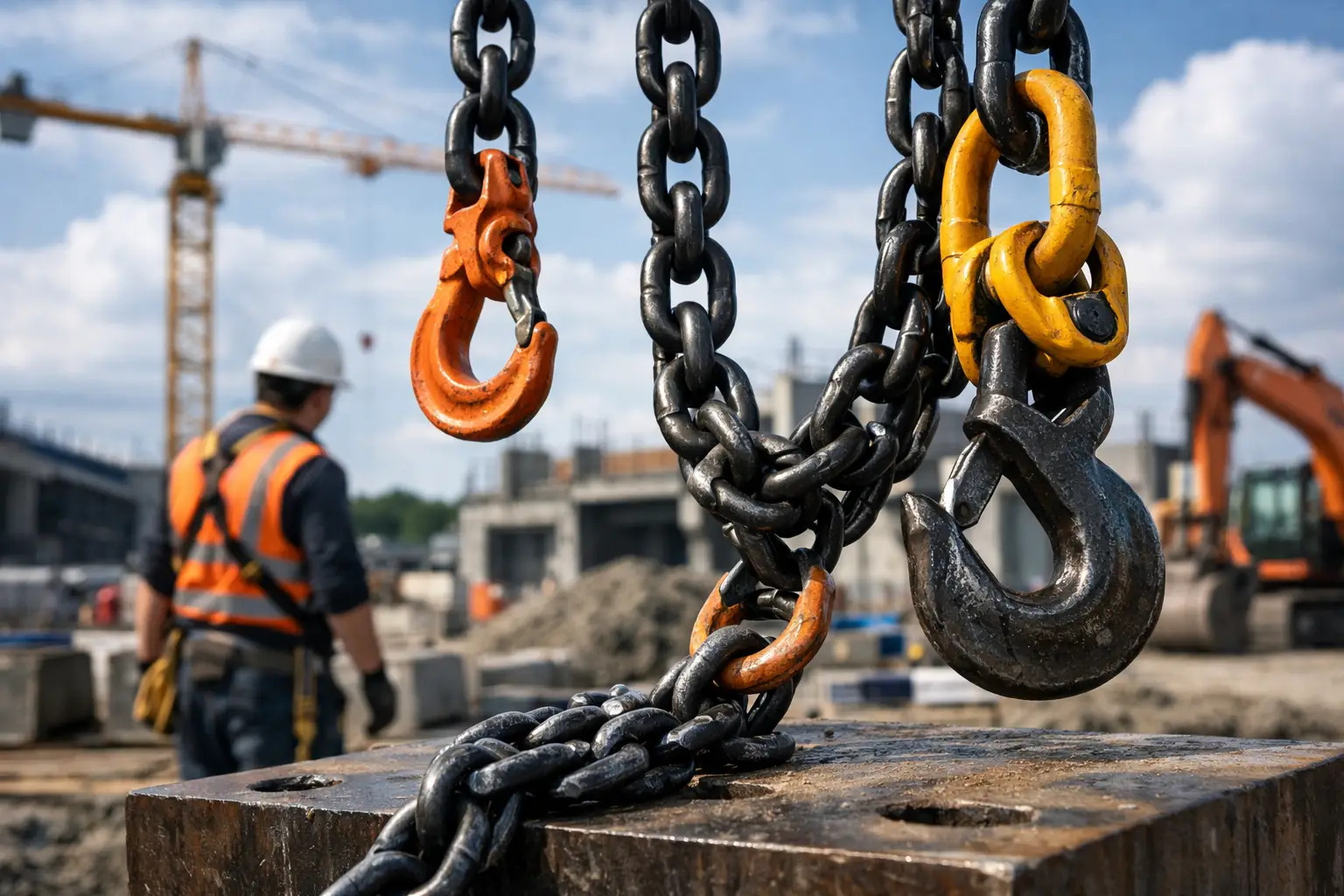
Hardware also needs to be correctly matched. Shackles, thimbles, chains, sockets, and connecting links must have suitable ratings and dimensions, but correct fit matters as much as stated capacity. Pin diameter, bow clearance, bearing surfaces, and line angle affect the assembly. Mixing components without checking their interaction can cause side loading, localized wear, or restricted movement.
When equipment is needed for an urgent call, speed should not mean guesswork. A capable supplier can confirm the available configuration, process rope to the specified length, prepare eyes or fittings, complete required testing, and provide documentation aligned with the project requirement. This is especially useful when a vessel cannot wait for separate suppliers to coordinate rope, rigging hardware, certification, and delivery.
Build Replacement Planning Into Routine Maintenance
Mooring lines rarely fail at a convenient time. A planned replacement program gives operators control over lead times, budget, and vessel scheduling. It also reduces the temptation to extend service beyond safe limits because a replacement line is not readily available.
A practical program starts with an equipment register that identifies each line by type, size, length, location, date placed in service, and inspection history. Record recurring chafe locations and service conditions, not only defects. These details help identify whether the issue is rope selection, deck hardware condition, operating practice, or berth exposure.
For fleet operators and terminals, standardizing selected rope and hardware configurations can simplify purchasing and crew familiarization. Standardization should not become blind repetition, however. Any change in vessel use, berth profile, or operating environment should trigger a review of the original specification.
C&C International supports marine operators with mooring ropes, wire rope, rope accessories, custom processing, certified load testing, and documentation for project and vessel requirements. The practical advantage is a single accountable source that can supply equipment cut and swaged to spec rather than leaving vessel teams to assemble critical components at the last minute.
The most useful mooring package is the one that suits the vessel, the berth, and the people handling it. Review line condition before it becomes a defect report, specify complete assemblies rather than isolated components, and keep replacement equipment traceable and ready before the next vessel call.