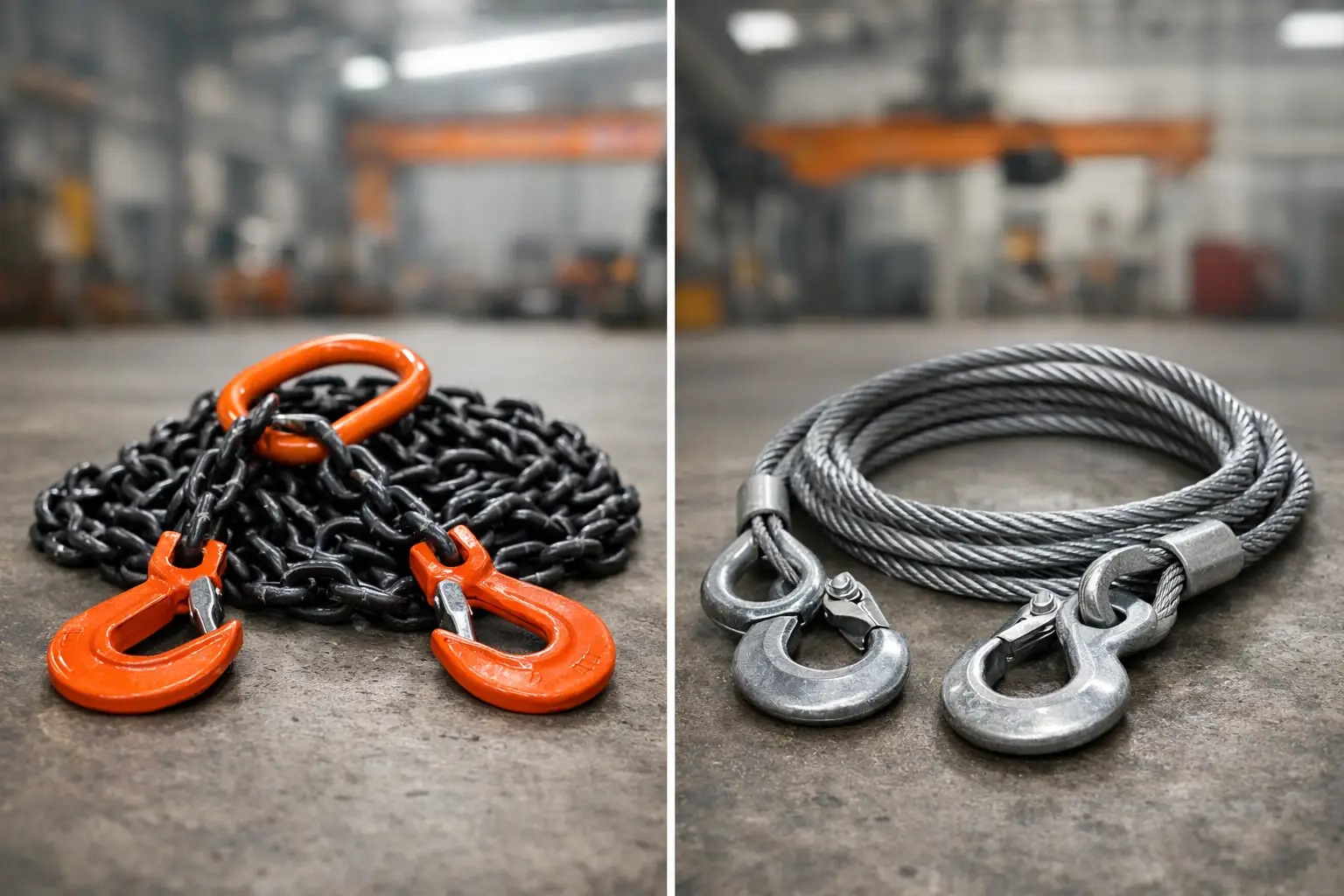
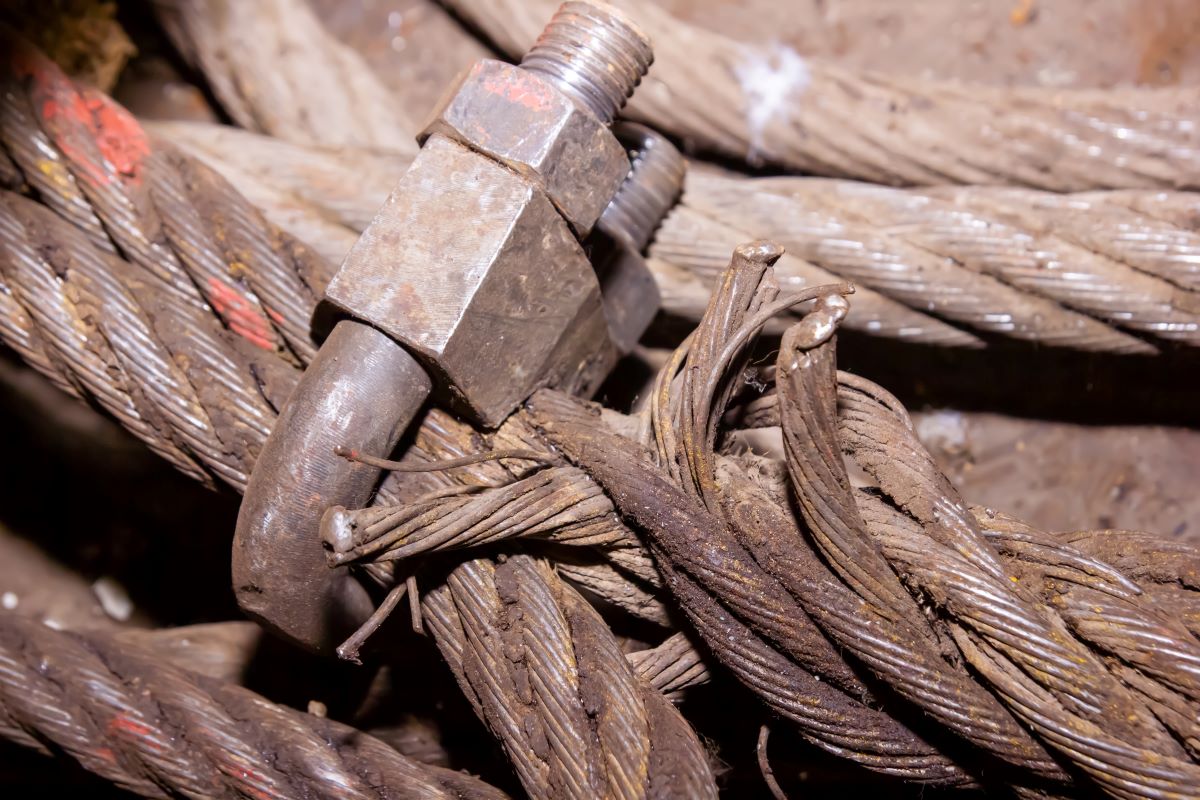
A wire rope may meet the required grade, construction, and breaking strength, yet still perform poorly if it is installed onto a drum without proper tension, alignment, and layer control. A professional wire rope spooling service turns a supplied rope into equipment that is ready to work – correctly wound for its intended winch, crane, hoist, or marine application, with the required records in place.
For vessel operators, lifting teams, and offshore contractors, spooling is not a cosmetic finishing step. It directly affects rope service life, drum performance, inspection outcomes, and operational safety. Poorly spooled rope can crush lower layers, jump grooves, develop tight turns, and wear prematurely under load. The cost is often seen later as unplanned replacement, equipment downtime, or a lifting and mooring operation that cannot proceed as scheduled.
What a Wire Rope Spooling Service Should Deliver
The purpose of spooling is to transfer a wire rope from its transport reel onto the working drum in a controlled manner. This requires more than running the rope from one reel to another. The rope must be handled without introducing twist, installed under appropriate back tension, and guided so each wrap sits in the correct position.
A complete service starts by confirming the rope and drum specification. This includes rope diameter, construction, lay direction, length, minimum breaking force, end termination requirements, drum dimensions, groove profile, fleet angle, and intended duty. A rope selected for a deck winch, for example, may require a different configuration from one used on a tower crane, capstan, tug towing winch, or personnel lifting system.
The final deliverable should be a job-ready assembly. Depending on the application, this can include cut-to-length wire rope, swaged sockets or ferrules, thimbles, eye terminations, hooks, shackles, and identification details. Where certification is required, the service should also provide traceable documents covering the rope, fittings, proof load testing where applicable, and PE-endorsed documentation when specified by the project.
Why Correct Spooling Protects Rope and Equipment
Wire rope is designed to bend and move, but it must do so within the limits of its construction and application. When the rope is wound loosely, the upper layers can embed into lower layers during loading. This crushing damages strands and can alter the rope’s shape. If the rope is wound with excessive tension or onto an unsuitable drum, it may also experience unnecessary internal stress.
Layering matters most on multi-layer drums. Each layer becomes the foundation for the next one. Uneven wraps, crossover points, and gaps create pressure concentrations that increase wear. On a smooth drum, a spooling pattern must be controlled carefully. On a grooved drum, the rope must match the groove dimensions and enter at a suitable fleet angle to remain seated.
The fleet angle is the angle between the rope’s path from the lead sheave and its entry onto the drum. If the angle is too large, the rope will crowd one flange, climb adjacent wraps, or scrape against the drum edge. If it is too small in certain arrangements, the rope may not travel evenly across the drum. There is no single setting that suits every winch. The acceptable arrangement depends on drum width, rope diameter, sheave position, and whether the drum is grooved or smooth.
Correct spooling also reduces the risk of twist. Rotation-resistant and non-rotating ropes need particular attention because poor handling can affect their torque balance and operating behavior. The rope should be paid off from the supply reel in the correct direction, with the reel supported so it can rotate freely. Pulling rope off the side of a stationary reel is a common cause of induced twist and should be avoided.
Back Tension Is a Controlled Requirement
Back tension holds the rope firmly against the drum as it is installed. It helps create compact, stable layers that are less likely to shift under working load. The required tension depends on the rope, drum, equipment manufacturer guidance, and service duty. The goal is controlled installation, not simply applying maximum pull.
For high-capacity lifting or mooring systems, the spooling method should be agreed before work begins. A service provider may need to coordinate with the vessel crew, equipment operator, lifting supervisor, or site representative to confirm access, drum rotation, line routing, and safe exclusion areas.
Planning Before the Rope Reaches the Drum
A reliable spooling job is prepared before the installation crew arrives. The first check is whether the wire rope is suitable for the machine and the job. Diameter alone is not enough. Rope construction affects flexibility, abrasion resistance, crushing resistance, and resistance to rotation under load. The selected rope must also be compatible with the sheaves, drum grooves, and termination method.
Drum condition requires inspection as well. Damaged grooves, sharp edges, corrosion, weld spatter, or a worn flange can damage a new rope from its first operating cycle. The anchorage point must be suitable and secure, but it should not be assumed to carry the full working load. The required number of dead wraps must remain on the drum at the lowest operating position, in accordance with equipment requirements and applicable standards.
The rope length must be verified against the actual working arrangement. A rope that is too short may leave insufficient dead wraps. One that is too long can overfill the drum and cause the top layers to rub against guards, flanges, or adjacent components. Drum capacity calculations should account for the rope diameter, winding pattern, number of layers, and usable drum width rather than relying on nominal dimensions alone.
Where the rope will be used for lifting, the team should confirm the required inspection and certification scope before processing. This avoids a common project delay: a correctly manufactured assembly that cannot be released because the requested test certificate, material traceability, or endorsement was not arranged at the outset.
Site Conditions Affect the Spooling Method
Marine and offshore work frequently introduces constraints that do not exist in a workshop. A vessel may be alongside for a short port call. The drum may be located in a restricted deck area. Weather, vessel movement, hydraulic availability, and simultaneous operations can all affect the schedule and method.
For these jobs, controlled execution is as important as the equipment itself. The work scope should identify the access route for the supply reel, lifting arrangements for reel handling, required power source, communication method between personnel, and isolation requirements for the winch or crane. The crew must prevent hands, clothing, and tools from entering pinch points between rope, sheaves, and drum flanges.
Onsite support is especially valuable when an installation involves a non-standard drum, long rope length, a critical change-out window, or a complete rigging configuration. C&C International Trading Pte Ltd can support such requirements with wire rope supply, cutting and swaging, spooling, load testing, documentation, and associated lifting or mooring hardware coordinated under one work scope.
Inspection Starts at Installation
Spooling creates a useful baseline for future rope inspection. Before the rope enters service, record its identification, construction, diameter, length, termination type, drum location, and installation date. Photographing the completed first layer and termination can also help maintenance teams identify later changes in winding condition.
After installation, the rope should be inspected during initial operating cycles. Watch for crowding at the drum flange, loose wraps, flattening, strand displacement, unusual noise, or rope movement that suggests a fleet-angle problem. A rope can appear acceptable while stationary but reveal an alignment issue only as the drum traverses under load.
Routine inspection should focus on the working zones that pass over sheaves, through fairleads, and onto the drum. Operators should also check for broken wires, corrosion, abrasion, kinks, birdcaging, crushed sections, and damage near terminations. Any abnormal condition should be assessed promptly against the applicable discard criteria and equipment instructions.
When Re-Spooling or Replacement Is Needed
Not every rope problem requires immediate replacement. A rope that has become unevenly wound may be re-spooled if it has not sustained structural damage and remains within inspection limits. However, re-spooling is not a remedy for a rope with severe crushing, kinking, core protrusion, significant broken wires, or heat damage.
Replacement is the correct decision when inspection shows that the rope no longer meets service criteria. In safety-critical lifting and mooring work, extending rope life beyond acceptable limits is not a cost-saving measure. It increases operational exposure and can compromise the equipment it serves.
The most efficient approach is to treat spooling as part of the rope system, not a separate afterthought. Specify the rope correctly, inspect the drum, plan the installation, apply controlled tension, and document the completed assembly. That discipline gives crews a reliable starting point and helps keep critical operations moving when schedules leave little room for correction.