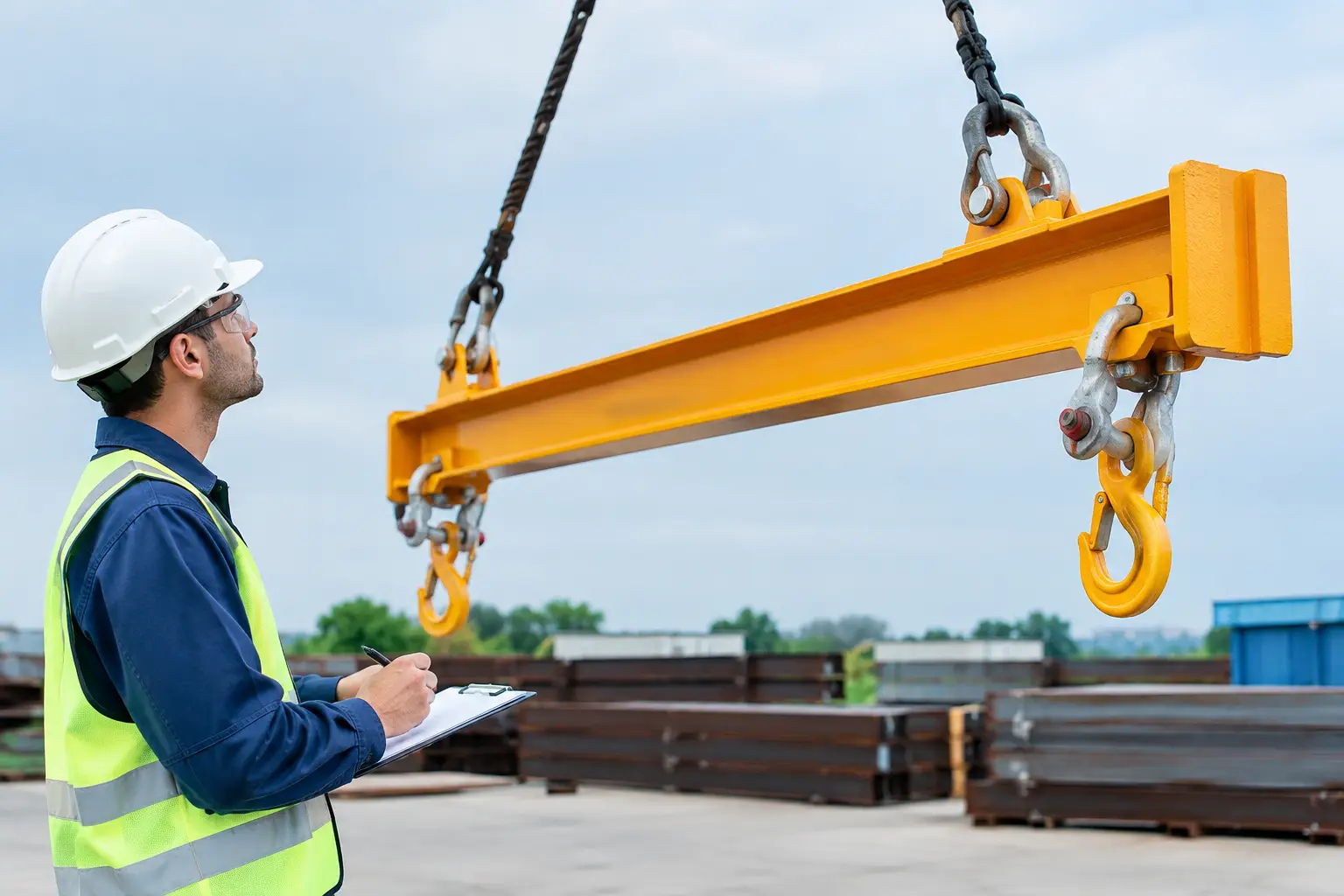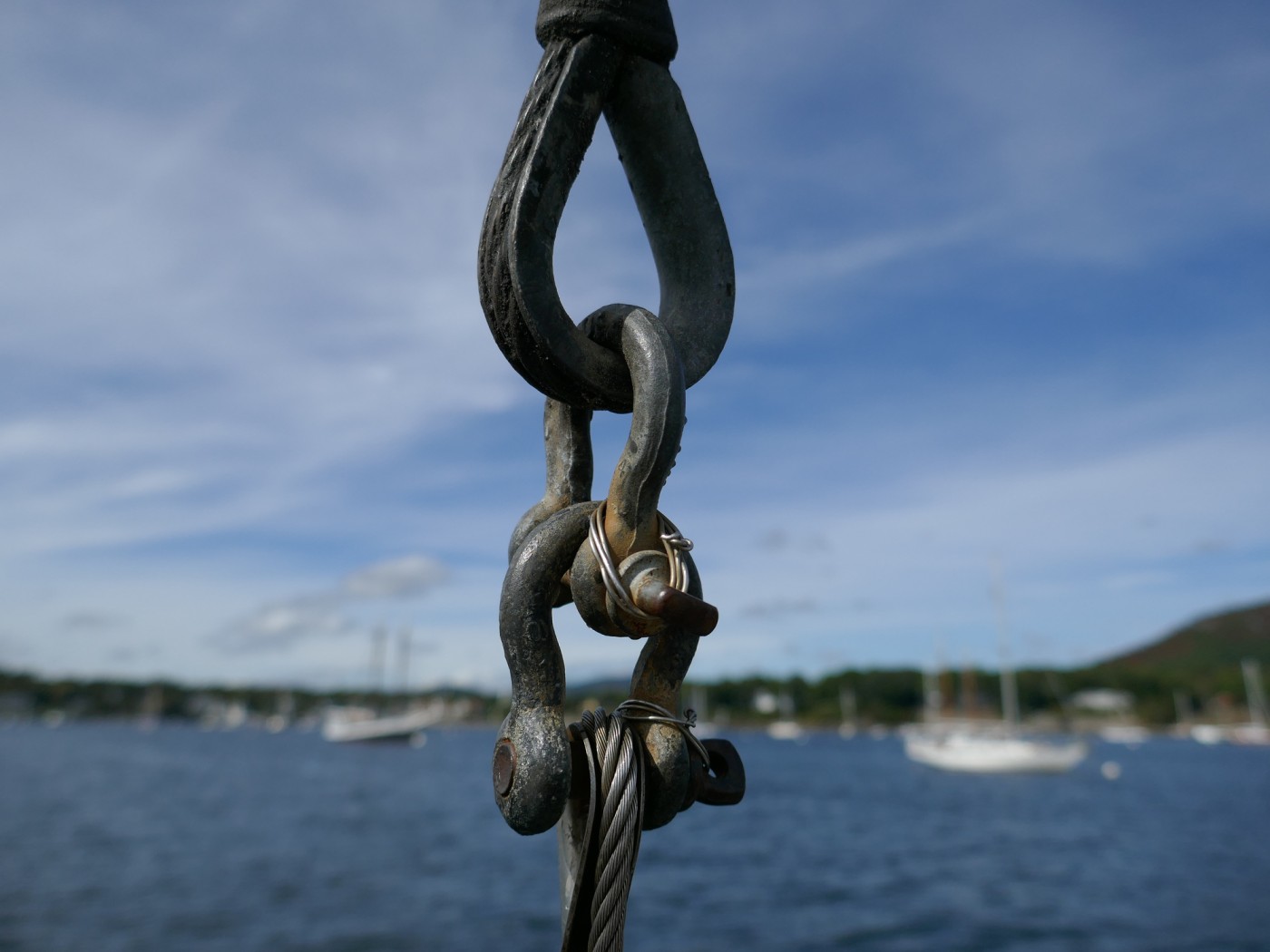
A bow shackle is one of the most versatile connection components used in lifting and rigging systems. Unlike narrower shackle designs intended for straight-line loading, a bow shackle provides a larger connection area that can accommodate multiple slings, rigging components, or varying load directions. This flexibility makes it a common choice in marine, offshore, construction, and industrial lifting operations where loads are rarely perfectly aligned.
Selecting the correct bow shackle involves more than matching a load rating. Load direction, connection geometry, sling configuration, and operating conditions all influence performance and safety.
What Is a Bow Shackle and Why Is It Used?
What Is a Bow Shackle?
A bow shackle is a U-shaped connector with a wider, rounded body compared to other shackle designs. The increased internal space allows it to connect multiple lifting components while distributing loads more effectively across the shackle body.
Because of this design, bow shackles are commonly used in lifting arrangements where flexibility is required. They are frequently found in crane operations, offshore lifting projects, vessel maintenance activities, and heavy industrial applications.
What Are the Main Parts of a Bow Shackle?
Although bow shackles are available in different configurations, the core components remain similar.
| Component | Function |
| Bow Body | Provides space for multiple connections |
| Pin | Secures the load connection |
| Shoulder | Helps support proper alignment |
| Threaded Section | Allows pin installation and removal |
The dimensions of these components determine both compatibility and load capacity.
How Does a Bow Shackle Work in a Lifting System?
A bow shackle acts as an intermediary connection between lifting equipment and the load. Its wider body allows greater movement between connected components, making it suitable for lifting systems where load angles may vary during operation.
For example, a wire rope sling arrangement with multiple lifting legs may converge at a single bow shackle before connecting to a crane hook. The larger internal space allows the sling legs to move naturally without excessive crowding or side pressure.
When multiple sling legs are connected to a bow shackle, care should be taken to ensure the load remains evenly distributed. Excessive side loading or improper sling angles can reduce lifting efficiency and place additional stress on the shackle body and pin.
For additional guidance on sling configurations and lifting setups, refer to Wire Rope Sling Safety Guide.
What Is the Difference Between a Bow Shackle and a D Shackle?
Key Differences Between a Bow Shackle and D Shackle
| Feature | Bow Shackle | D Shackle |
| Shape | Rounded bow profile | Narrow D profile |
| Load Direction | Multiple directions | Straight-line loading |
| Connection Space | Larger | Smaller |
| Typical Use | Multi-leg lifting systems | Single connection points |
The wider body of a bow shackle provides additional space for multiple lifting components and varying load angles. This makes it a popular choice in complex rigging arrangements where flexibility is important.
When Should You Use Each Type?
A bow shackle is commonly used when multiple slings connect to a single lifting point or when load directions may change during lifting. In contrast, a d shackle is generally better suited for straight-line loading applications where a compact connection is preferred.
Choosing between the two depends on the lifting arrangement, load path, and connection requirements rather than load capacity alone.
Which Types of Bow Shackles Are Available?
Common Types and Pin Options
Bow shackles are available in several configurations depending on operational requirements.
Screw Pin Bow Shackles
- Quick installation and removal
- Suitable for temporary lifting arrangements
Bolt-Type Bow Shackles
- More secure for long-term use
- Common in safety-critical lifting operations
Safety Pin Configurations
- Additional protection against accidental loosening
- Often specified for offshore and marine applications
Selecting the correct pin type depends on both operational duration and environmental conditions.
Materials for Marine and Industrial Use
Bow shackles are manufactured using various materials to suit different applications.
| Material | Typical Application |
| Carbon Steel | General industrial use |
| Alloy Steel | Heavy-duty lifting |
| Galvanised Steel | Outdoor and marine use |
| Stainless Steel | Corrosion-sensitive environments |
Marine operations often require enhanced corrosion resistance due to constant exposure to saltwater, humidity, and changing weather conditions.
Understanding Working Load Limit (WLL)
The Working Load Limit (WLL) indicates the maximum load a bow shackle can safely carry during normal operation.
However, WLL should never be considered in isolation. Safe selection also depends on:
- Load direction
- Sling angle
- Connection fit
- Environmental exposure
- Frequency of use
A larger WLL does not automatically make a bow shackle the best choice if the overall lifting arrangement is unsuitable.
How Do You Choose the Right Bow Shackle?
Matching a Bow Shackle to a Wire Rope Sling
A bow shackle should be selected based on compatibility with the connected wire rope sling. The opening must provide enough space for proper movement without allowing excessive shifting during lifting.
Proper sizing helps reduce wear on both the sling eye and the shackle pin while improving load distribution.
Compatibility with a Lifting Hook
The relationship between a bow shackle and a lifting hook is equally important. An incorrectly matched connection can create uneven loading or unnecessary stress on the lifting assembly.
Before use, operators should verify:
- Hook throat dimensions
- Pin diameter
- Load alignment
- Available connection space
These factors contribute significantly to overall lifting performance.
What Factors Should Be Considered Before Purchase?
Before selecting a bow shackle, consider:
- Required Working Load Limit
- Type of lifting arrangement
- Environmental conditions
- Inspection requirements
- Frequency of lifting operations
Understanding the full application often leads to better equipment selection than focusing solely on load capacity.
How Should Bow Shackles Be Inspected and Maintained?
What Should Be Checked Before Use?
Regular inspections help identify wear before it becomes a safety concern.
Key inspection areas include:
- Pin condition
- Corrosion
- Deformation
- Thread wear
- Surface cracks
- Clear WLL and product identification markings
Visual inspections should be performed before lifting operations begin.
Why Are Load Testing and Non Destructive Testing Important?
For critical lifting applications, visual inspections alone may not be sufficient.
Load testing helps verify that lifting hardware performs correctly under controlled conditions, while non destructive testing can identify hidden defects such as fatigue cracks or material degradation.
Operators involved in critical lifting projects can refer to the Load Testing Guide for Lifting Equipment and Rigging Systems for additional guidance.
When Should a Bow Shackle Be Replaced?
Replacement should be considered when:
- Wear exceeds acceptable limits
- Corrosion affects structural integrity
- Cracks are detected
- Threads become damaged
- Deformation is visible
Continuing to use damaged lifting hardware increases operational risk and should be avoided.
What Are the Most Common Bow Shackle Mistakes?
Overloading the Shackle
Exceeding the Working Load Limit remains one of the most common causes of lifting equipment damage. Load ratings should always be verified before use.
Incorrect Pin Installation
Improperly installed pins can compromise connection security and increase the risk of accidental disconnection during lifting operations.
Using the Wrong Size
A shackle that is too small may restrict movement, while an oversized shackle may create instability within the lifting assembly.
Ignoring Wear and Corrosion
Small signs of deterioration often develop gradually. Regular inspections help prevent minor issues from becoming major failures.
Where Can You Buy Reliable Bow Shackles in Singapore?
What Buyers Should Look For
When sourcing a bow shackle, consider:
- Clear WLL markings
- Material quality
- Traceability
- Certification requirements
- Supplier support
Reliable lifting hardware should be backed by both quality manufacturing and technical expertise.
Why Does Technical Support Matter?
Selecting lifting equipment involves more than comparing specifications. Technical guidance helps ensure that the chosen bow shackle matches the intended application and works safely with other rigging components.
For lifting and rigging enquiries, readers can explore shackles product category or contact the team directly for application-specific recommendations.
Frequently Asked Questions About Bow Shackles
Can a bow shackle be used with multiple sling legs?
Yes. The wider body design makes a bow shackle suitable for connecting multiple sling legs within a lifting arrangement.
What is the difference between a bow shackle and a d shackle?
A bow shackle provides more internal space and accommodates varying load directions, while a d shackle is typically used for straight-line loading.
Can bow shackles be used in marine environments?
Yes. Galvanised and stainless steel bow shackles are commonly used in offshore and marine applications.
How often should bow shackles be inspected?
Inspection frequency depends on usage and operating conditions, but visual checks should be performed before lifting operations.
Why Does Choosing the Right Bow Shackle Matter?
A bow shackle provides flexibility that many lifting arrangements require, particularly when multiple connections or varying load directions are involved. However, selecting the correct size, material, and configuration remains essential for safe operation.
By understanding how bow shackles function within lifting systems and maintaining proper inspection practices, operators can improve lifting reliability while reducing unnecessary risks across marine, offshore, construction, and industrial environments.