A d shackle is one of the most widely used components in lifting and rigging systems, providing a secure connection between equipment such as a wire rope sling, chain assembly, and lifting hook. Commonly used across marine, offshore, construction, and industrial applications, the correct d shackle helps ensure safe load transfer and reliable lifting performance. Understanding how it works, how to choose the right size, and when to inspect or replace it can help reduce operational risks and improve lifting safety.
For marine and industrial lifting applications, C&C International Trading supplies a wide range of rigging and lifting solutions designed to support safe and reliable operations.
What Is a D Shackle and Why Is It Used?
What Is a D Shackle?
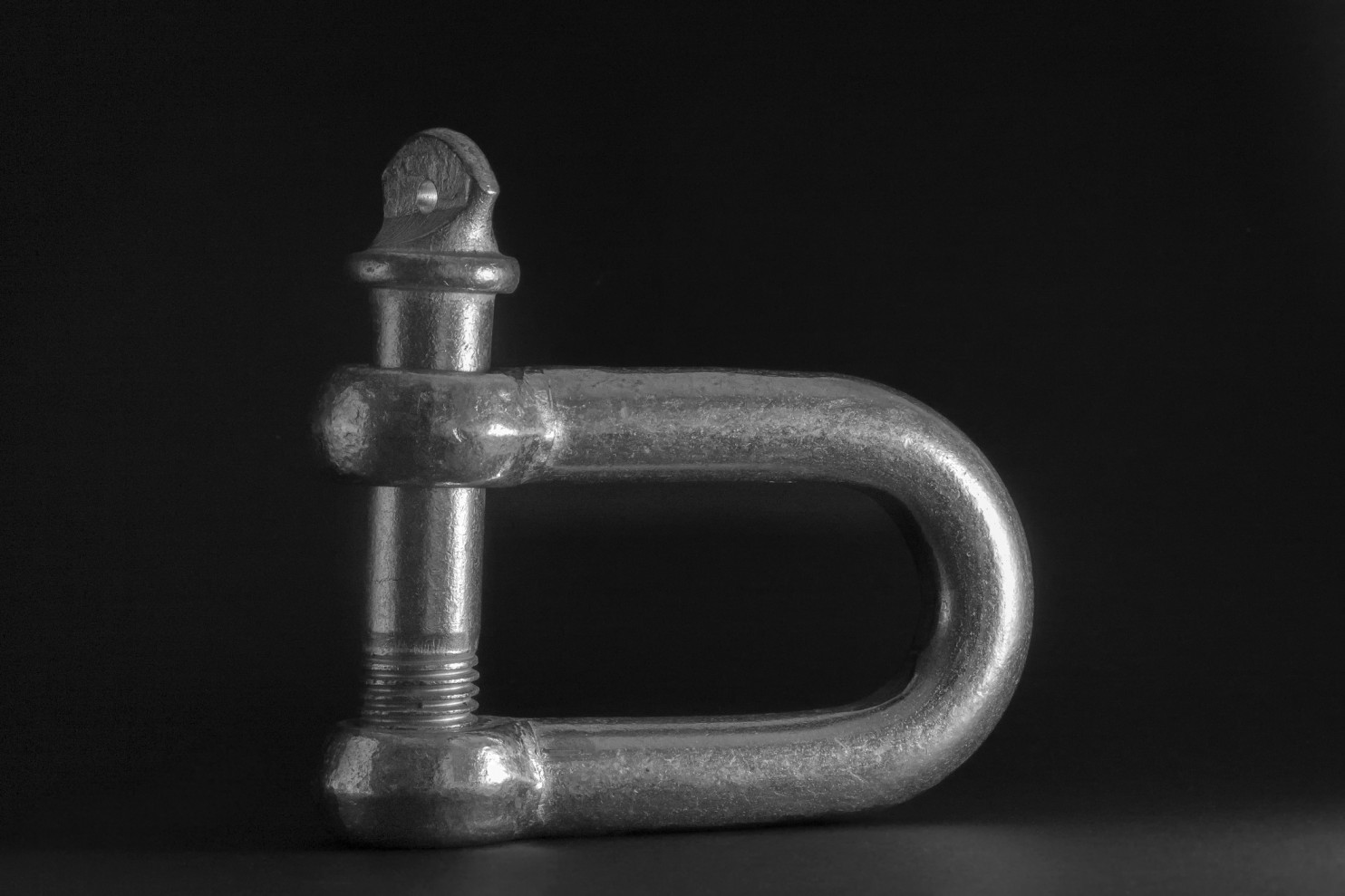
A d shackle is a U-shaped metal connector secured with a removable pin. Its narrow profile allows loads to be transferred efficiently when force is applied in a straight line. Because of its compact design and high strength, it is widely used in lifting, towing, rigging, and marine operations.
D shackles are commonly found in lifting assemblies where a secure connection is needed between equipment components. They are particularly useful in situations where the load remains aligned and movement is limited.
What Are the Main Parts of a D Shackle?
Although simple in appearance, each component contributes to the strength and performance of the lifting system.
| Component | Function |
| Shackle Body | Main load-bearing structure |
| Pin | Secures the connection point |
| Shoulder | Helps maintain load alignment on certain models |
The quality of both the shackle body and pin is critical because lifting forces are distributed across the entire assembly during operation.
How Does a D Shackle Work in a Lifting System?
A d shackle often serves as the connection point between a wire rope sling and a lifting hook. During lifting, force passes through the shackle body and pin before transferring to the rest of the rigging assembly.
For example, when lifting steel structures in a shipyard, a wire rope sling may be attached to a lifting hook using a d shackle. The shackle becomes the critical link that allows the load to move safely through the lifting system.
For more guidance on sling configurations and load behaviour, readers can also refer to the Wire Rope Sling Safety Guide available on the website.
What Is the Difference Between a D Shackle and a Bow Shackle?
Key Differences Between a D Shackle and Bow Shackle
Although both serve similar purposes, a d shackle and bow shackle are designed for different loading conditions.
| Feature | D Shackle | Bow Shackle |
| Shape | Narrow D profile | Rounded bow profile |
| Best For | Straight-line loads | Multi-directional loads |
| Connection Space | Smaller | Larger |
| Typical Use | Single connection point | Multi-leg lifting systems |
The narrower shape of a d shackle provides strength and efficiency for inline loading, while a bow shackle offers greater flexibility where loads may shift direction.
When Should You Use Each Type?
A d shackle is generally preferred when loads remain aligned and force is applied directly through the body of the shackle. Its compact shape makes it suitable for single-leg lifting arrangements and controlled rigging setups.
A bow shackle provides a wider connection area and is often used when multiple slings or rigging components connect to the same lifting point. This flexibility makes it popular in marine, offshore, and heavy lifting operations where load angles vary.
Which Types of D Shackles Are Available?
Common Types and Pin Options
The most common d shackle designs include:
- Screw Pin D Shackles
- Bolt-Type D Shackles
- Round Pin D Shackles
Screw pin versions are commonly used for temporary lifting setups because they are quick to install and remove. Bolt-type shackles provide additional security and are often preferred for long-term or safety-critical lifting operations.
Round pin shackles are typically used for less demanding applications where frequent dismantling is not required.
Materials for Marine and Industrial Use
D shackles are manufactured using a variety of materials depending on the operating environment.
- Carbon Steel
- Alloy Steel
- Galvanised Steel
- Stainless Steel
For marine environments, corrosion resistance is often a major consideration. Offshore platforms, ports, and shipyards expose lifting equipment to saltwater, humidity, and changing weather conditions. Galvanised and stainless steel shackles are commonly selected because they offer improved durability in these demanding environments.
Understanding Working Load Limit (WLL)
The Working Load Limit (WLL) represents the maximum load a shackle is designed to handle during normal operation.
When selecting a d shackle, operators should consider:
- Load weight
- Load direction
- Sling angles
- Environmental conditions
- Hardware compatibility
A common mistake is focusing only on capacity. Even a correctly rated d shackle may become unsafe if it is side loaded or connected improperly.
Manufacturers typically recommend checking that the Working Load Limit (WLL) remains clearly legible throughout the service life of the shackle. If markings become unreadable due to wear, corrosion, or repainting, the shackle should be removed from service until its identification and load rating can be verified.
How Do You Choose the Right D Shackle?
Matching a D Shackle to a Wire Rope Sling
Selecting the correct d shackle requires compatibility with the connected wire rope sling. The shackle opening must allow proper fitment without restricting movement or creating unnecessary stress concentrations.
An oversized shackle may cause instability, while an undersized shackle may prevent proper load transfer. Matching the dimensions of the sling eye and shackle pin helps ensure safe lifting performance.
Compatibility with a Lifting Hook
The connection between a d shackle and a lifting hook should allow smooth load transfer throughout the lifting operation.
Important considerations include:
- Hook throat opening
- Pin diameter
- Connection alignment
- Load direction
Poor compatibility between these components can increase wear and affect lifting safety.
Factors to Consider Before Purchase
Before selecting a d shackle, consider:
- Required WLL
- Operating environment
- Frequency of use
- Material type
- Inspection requirements
Choosing the right shackle is not simply about strength. It is about selecting a component that works safely within the entire lifting system.
How Should D Shackles Be Inspected and Maintained?
What to Check Before Use
Routine inspection should include:
- Corrosion
- Pin wear
- Deformation
- Cracks
- Thread damage
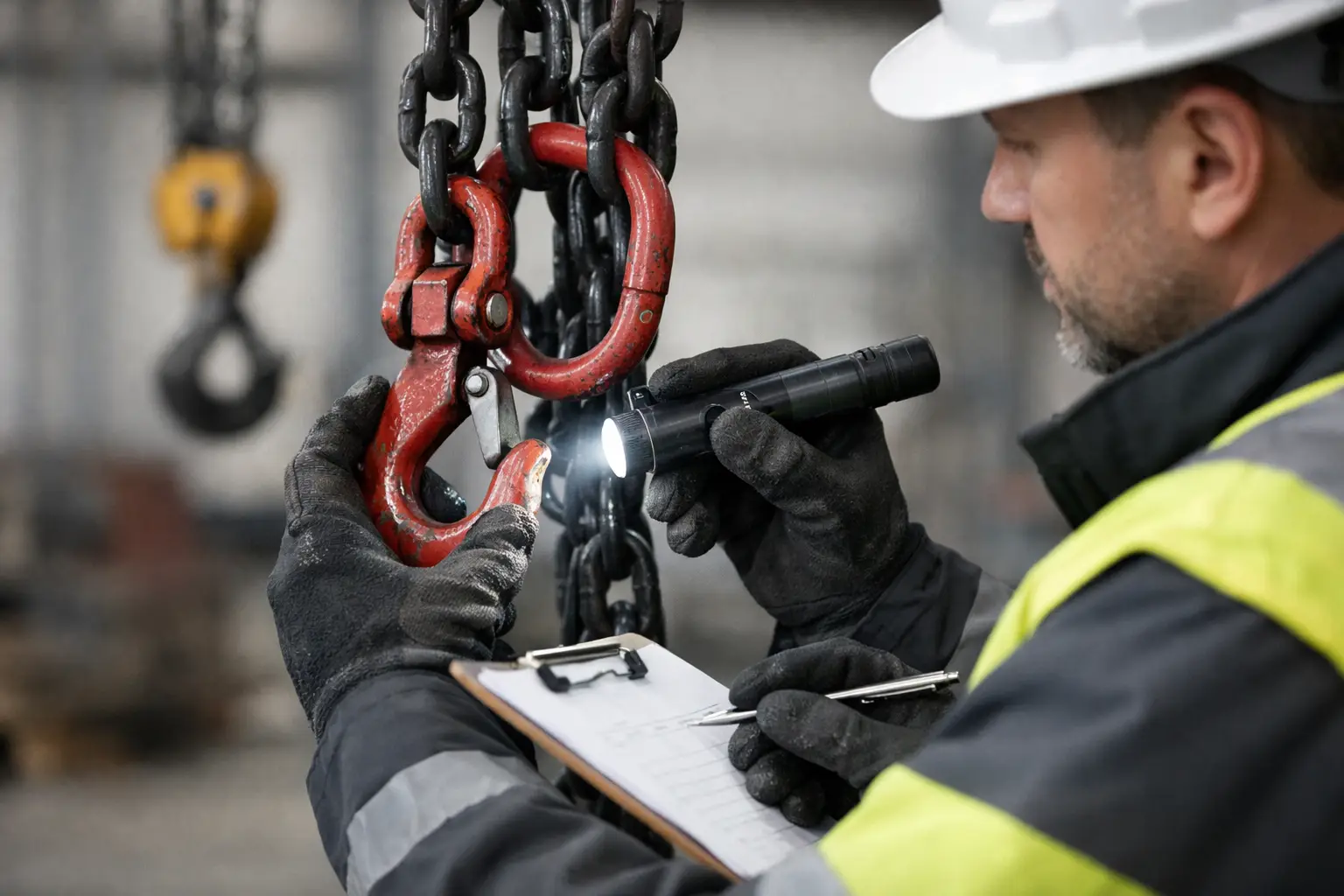
- Legibility of identification markings and WLL information
Any visible signs of damage should be investigated before the equipment is returned to service. Regular inspections help identify potential issues before they develop into safety hazards.
Why Load Testing and Non Destructive Testing Matter
For critical lifting applications, inspection may extend beyond visual checks. Load testing helps verify that lifting hardware can withstand specified forces under controlled conditions, while non destructive testing can identify hidden defects such as cracking, fatigue, or material degradation.
Operators responsible for critical lifting operations can also refer to Load Testing Guide for Lifting Equipment and Rigging Systems for additional insights.
What Are the Most Common D Shackle Mistakes?
Side Loading a D Shackle
D shackles are primarily designed for straight-line loading. Applying force from the side can significantly reduce load capacity and increase stress on both the pin and shackle body.
Using the Wrong Size
Selecting a shackle based only on availability rather than application requirements can lead to poor load distribution, hardware incompatibility, and unnecessary wear.
Ignoring Wear and Corrosion
Corrosion, thread damage, and deformation often develop gradually. Continuing to use damaged shackles increases the risk of equipment failure during lifting operations.
Where Can You Buy Reliable D Shackles in Singapore?
What Buyers Should Look For
When purchasing a d shackle, consider:
- Clear WLL markings
- Material quality
- Manufacturer traceability
- Certification where required
- Supplier technical support
Reliable lifting equipment should be sourced from suppliers who understand the practical demands of marine, industrial, and construction environments.
Getting Technical Support
Beyond product specifications, technical guidance can help ensure the correct shackle is selected for the intended application. Buyers should look for suppliers that can provide recommendations based on load requirements, environmental conditions, and lifting configurations.
For lifting and rigging enquiries, readers can explore shackles product category or contact the team directly for application-specific advice.
Frequently Asked Questions
What is the difference between a d shackle and a bow shackle?
A d shackle is designed primarily for straight-line loading, while a bow shackle provides a larger connection area for multi-directional or multi-leg lifting arrangements.
Can d shackles be used in marine environments?
Yes. Galvanised and stainless steel d shackles are commonly used in marine and offshore applications where corrosion resistance is important.
How often should d shackles be inspected?
Shackles should be inspected before use and as part of regular maintenance programmes. Inspection frequency depends on operating conditions and usage levels.
When should a d shackle be replaced?
A d shackle should be replaced if it shows signs of deformation, excessive wear, corrosion damage, cracking, or failed inspection results.
Why Does Choosing the Right D Shackle Matter?
A d shackle may be a small component within a lifting system, but its role is critical. Selecting the correct size, material, and configuration helps improve compatibility with a wire rope sling, lifting hook, and other rigging hardware while supporting safer lifting operations.
By combining proper selection, regular inspection, and appropriate testing practices, operators can improve lifting reliability across marine, offshore, construction, and industrial environments. Backed by years of experience supplying lifting and rigging solutions, C&C International Trading continues to support businesses with dependable equipment designed for real-world operational demands.