In Singapore’s construction sites, shipyards, and port operations, a wire rope sling is a standard part of lifting work. Yet when lifting failures occur, the sling itself is rarely the cause. The issue almost always comes from how the system is set up – incorrect load assumptions, mismatched rigging hardware, or poor execution under real conditions.
At C & C International Trading Pte Ltd, lifting systems are approached as complete working setups, not individual components. Understanding how these systems behave in actual operations is what prevents failures.
Where Lifting Failures Actually Begin
Most operators assume that if the sling is rated correctly, the lift is safe. In practice, this assumption fails.
A lifting system is made up of:
- Sling
- Hooks
- Shackles
- Load connection points
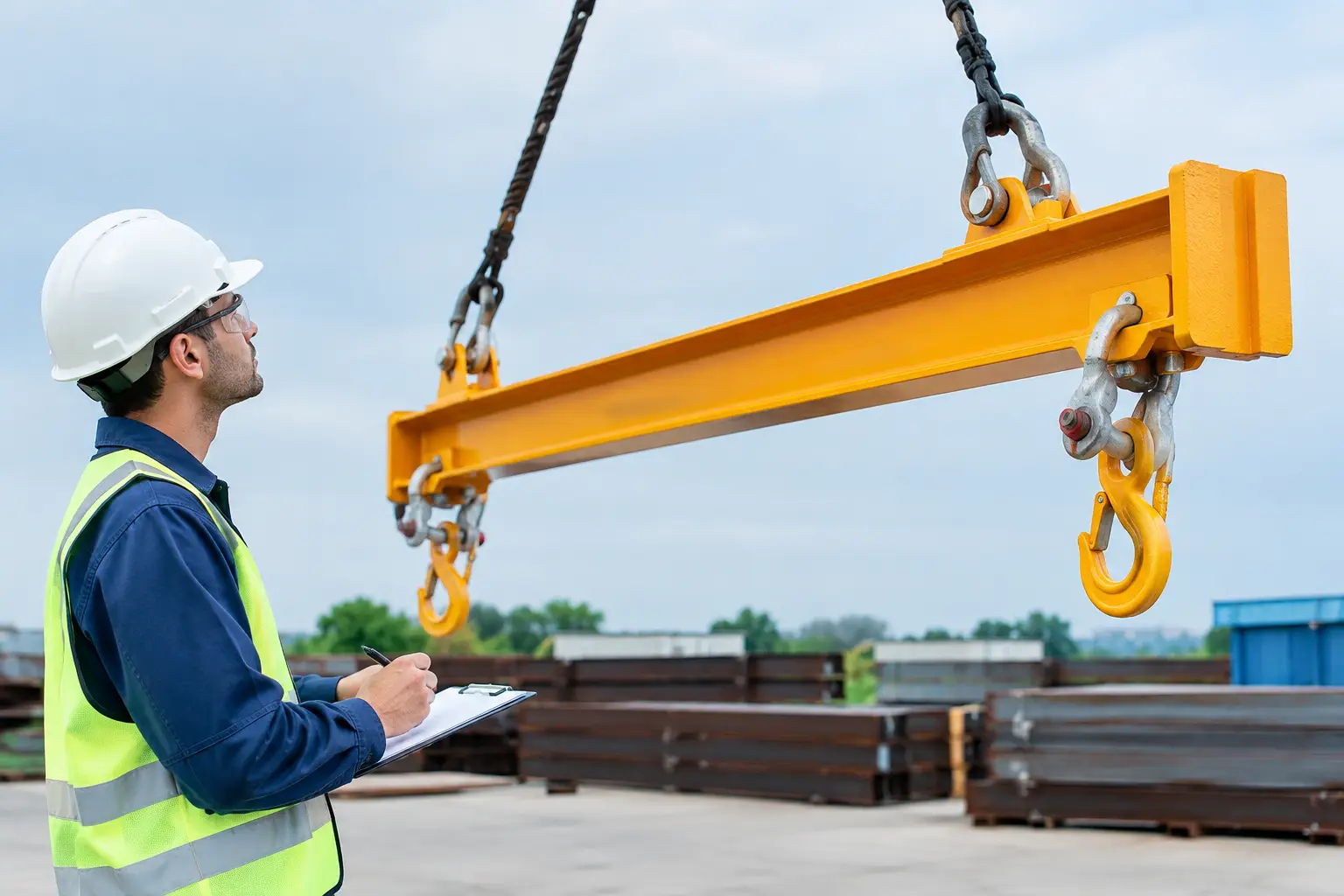
Failures rarely occur in the sling body. They occur at connection points where stress is not evenly distributed. A slightly undersized shackle or a poorly aligned hook can shift load in ways that are not visible until failure happens.
This is why increasing sling capacity alone does not solve the problem. It simply moves the weak point elsewhere in the system. In many cases, the wire rope sling is still within its rated capacity when failure occurs. The failure is in the system, not the sling itself.
Load Capacity Is Not What It Seems
Rated Load vs Real Conditions
Safe Working Load (SWL) is based on controlled conditions. Real lifting is not controlled. Loads shift, surfaces are uneven, and movement introduces additional forces.
What looks like a safe lift on paper can become an overload in practice. This is where a wire rope sling is unknowingly overloaded, even when operators believe they are within limits.
Sling Angles Change Everything
As sling angles increase, tension in each leg rises sharply. This is not a small adjustment – it is often the main reason lifts fail in tight working environments.
On many Singapore job sites, limited space forces wider angles. If this is not accounted for, the sling is already overloaded before the lift even begins.
A wire rope sling operating at wider angles is subjected to significantly higher internal tension than most operators expect.
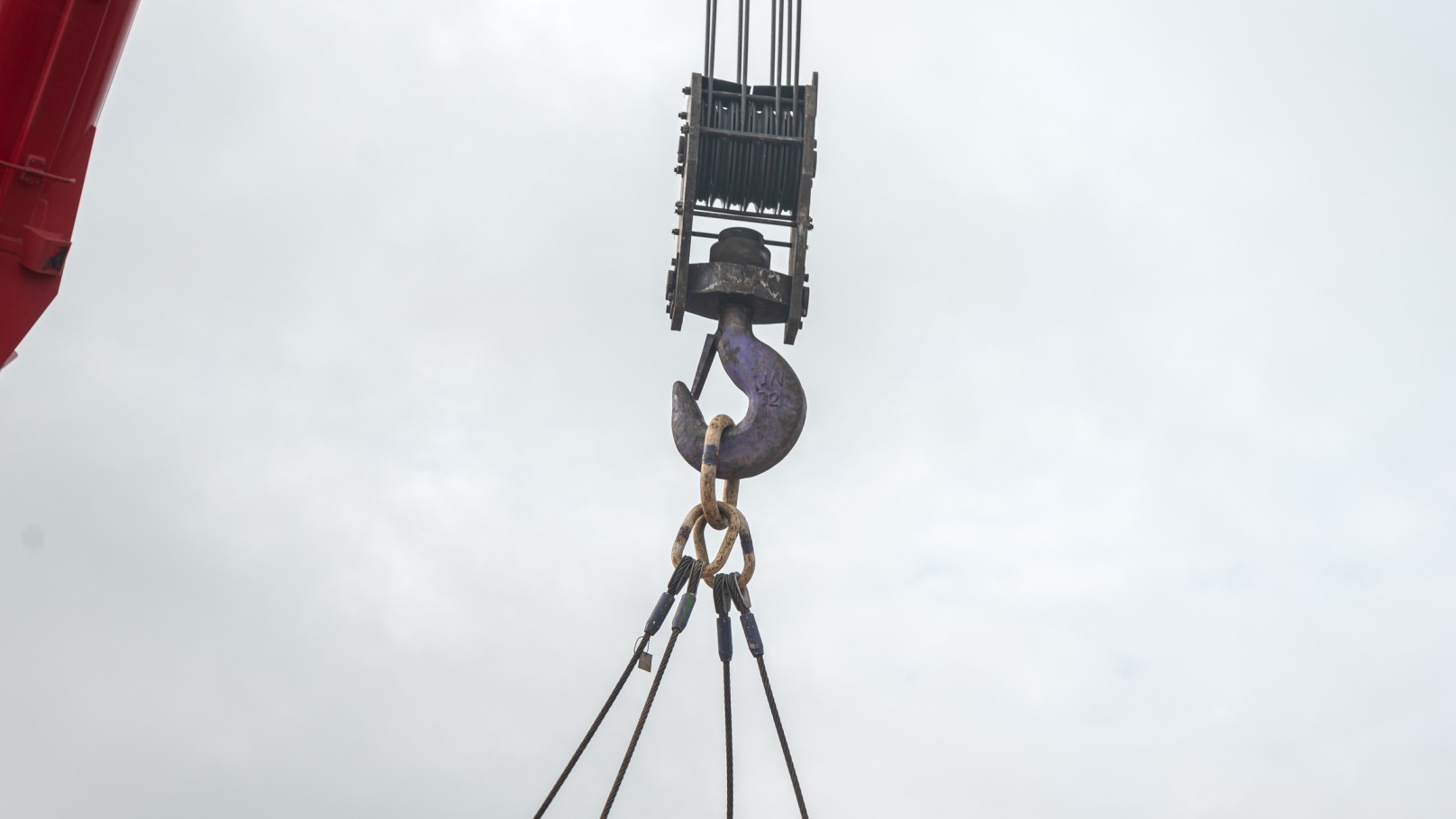
Multi-Leg Slings Do Not Share Load Evenly
Multi-leg slings are commonly assumed to divide load equally. In real conditions, this rarely happens.
Minor differences in centre of gravity or rigging position mean one leg takes more load than the others. That single overloaded leg becomes the failure point.
For critical lifts, this uncertainty should not be guessed. It should be verified through load testing or proper engineering assessment.
This assumption is unreliable in real lifting conditions and should not be used as the basis for safety decisions.
Hardware Selection Is Where Most Mistakes Happen
Shackles Are Not Interchangeable
- D shackles are designed for straight-line loads
- Bow shackles allow for load movement across angles
Using a D shackle in a multi-directional setup introduces side loading. This reduces its effective capacity and creates a failure risk that is often overlooked.
Lifting Hooks Fail by Design, Not Strength
Most hook failures are not due to breaking – they happen when the hook disengages.
This usually comes down to:
- Incorrect throat size
- Poor alignment
- Missing or ineffective safety latch
In marine and offshore environments, where movement is constant, this becomes a real risk.
When Lifting Clamps Are the Better Option
In some cases, slings are not the right tool. Steel plates and flat materials can shift or slip under sling pressure.
This is where lifting clamps are used. However, clamps only work when:
- Correctly sized
- Applied to suitable surfaces
- Properly positioned
Using the wrong clamp introduces a different type of failure instead of solving the problem.
Inspection Is the First Real Safety Control
Most lifting failures show warning signs before they happen. The issue is that these signs are often ignored.
What to Look For Before Every Lift
- Broken wires
- Kinks or distortion
- Corrosion
- Damaged end fittings
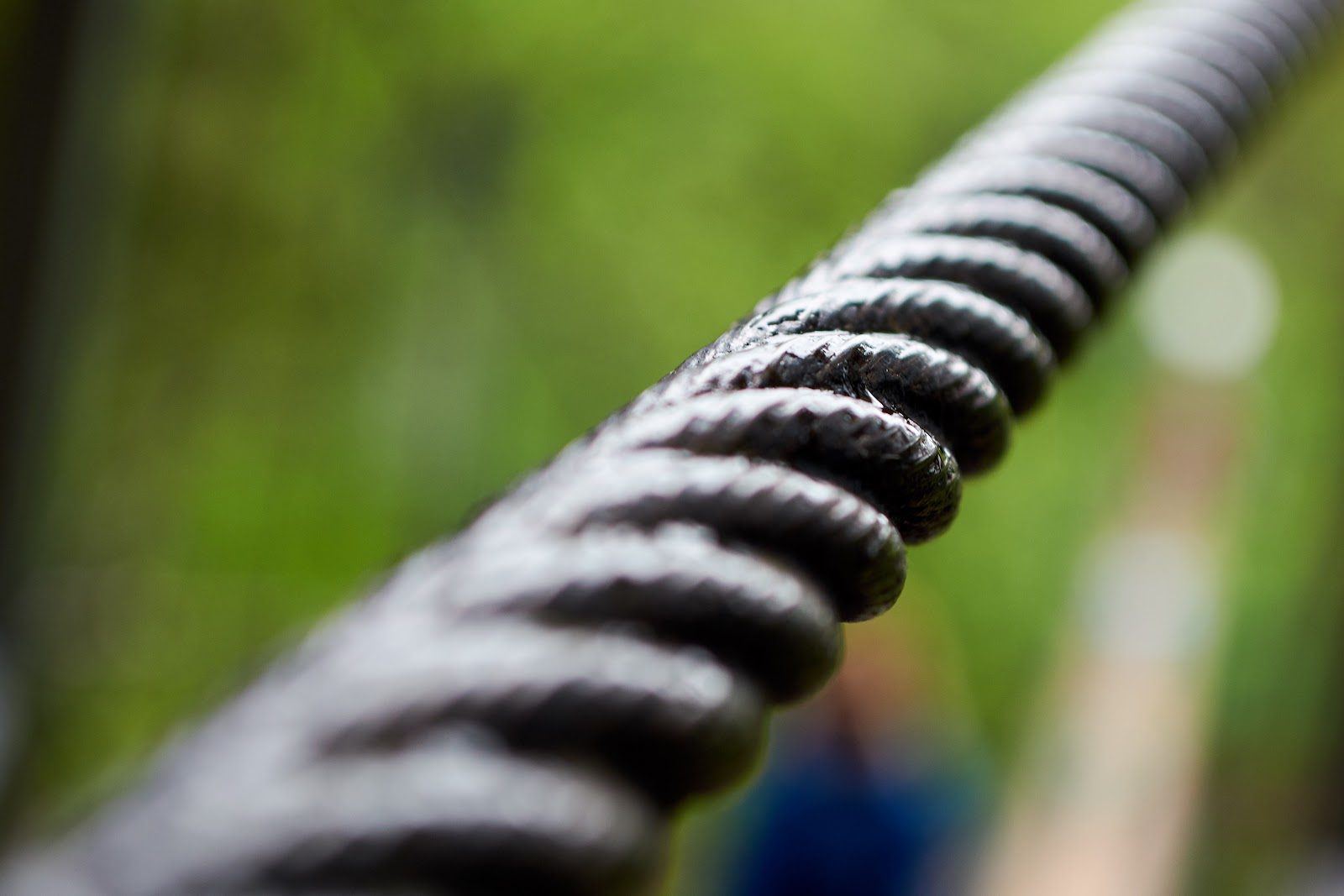
These are not minor defects. They indicate that the internal structure of the sling has already been compromised.
When a Sling Should Not Be Used
If a sling shows visible damage, deformation, or excessive wear, it should be removed immediately. Continuing to use it does not “get one more job done” – it increases the likelihood of failure under load.
What Actually Makes a Lift Safe
Safe lifting does not come from stronger equipment. It comes from better control.
Pre-Lift Planning
Most failures can be traced back to poor planning, not poor equipment.
Before lifting:
- Confirm the actual load weight
- Identify the centre of gravity
- Define lifting points
- Plan the lift path
Skipping these steps introduces uncertainty into the lift.
Protecting the Sling
Abrasion is one of the fastest ways to damage a wire rope sling. Contact with sharp edges or rough surfaces reduces lifespan and increases failure risk.
Simple protection methods can prevent this, but they are often skipped on site.
Communication During Lifting
Uncontrolled movement creates dynamic forces that exceed calculated loads. Clear coordination between operators is essential to keep the lift stable.
Supplier Selection Is a Safety Decision
In practice, the quality of the lifting setup depends heavily on the supplier.
Supplier selection is not a procurement decision – it is a safety decision. They should provide:
- Certified and traceable equipment
- Load testing capability
- Technical advice based on application
At C&C International Trading, lifting solutions are supplied based on how they are used in real conditions, not just catalogue specifications.
Get the Setup Right from the Start
If a lifting setup is based on:
- Price comparison
- Matching SWL only
- Mixing components from different sources
Then risk is already built into the system.
A safer approach is:
- Configuring the system as a whole
- Selecting components based on load behaviour
- Ensuring compatibility across all parts
For project enquiries or lifting configuration support, visit the Contact Us page to speak with a team that understands real operational requirements.
Lift Smarter and Avoid Failures Before They Happen
A wire rope sling performs reliably only when the entire lifting system is properly configured, and when the wire rope sling is used within conditions that match its actual working limits. Failures are not random – they are the result of predictable weaknesses in setup, load handling, and component selection.
When lifting is approached as a complete system rather than a collection of parts, operations become more controlled, more predictable, and significantly safer.