Products

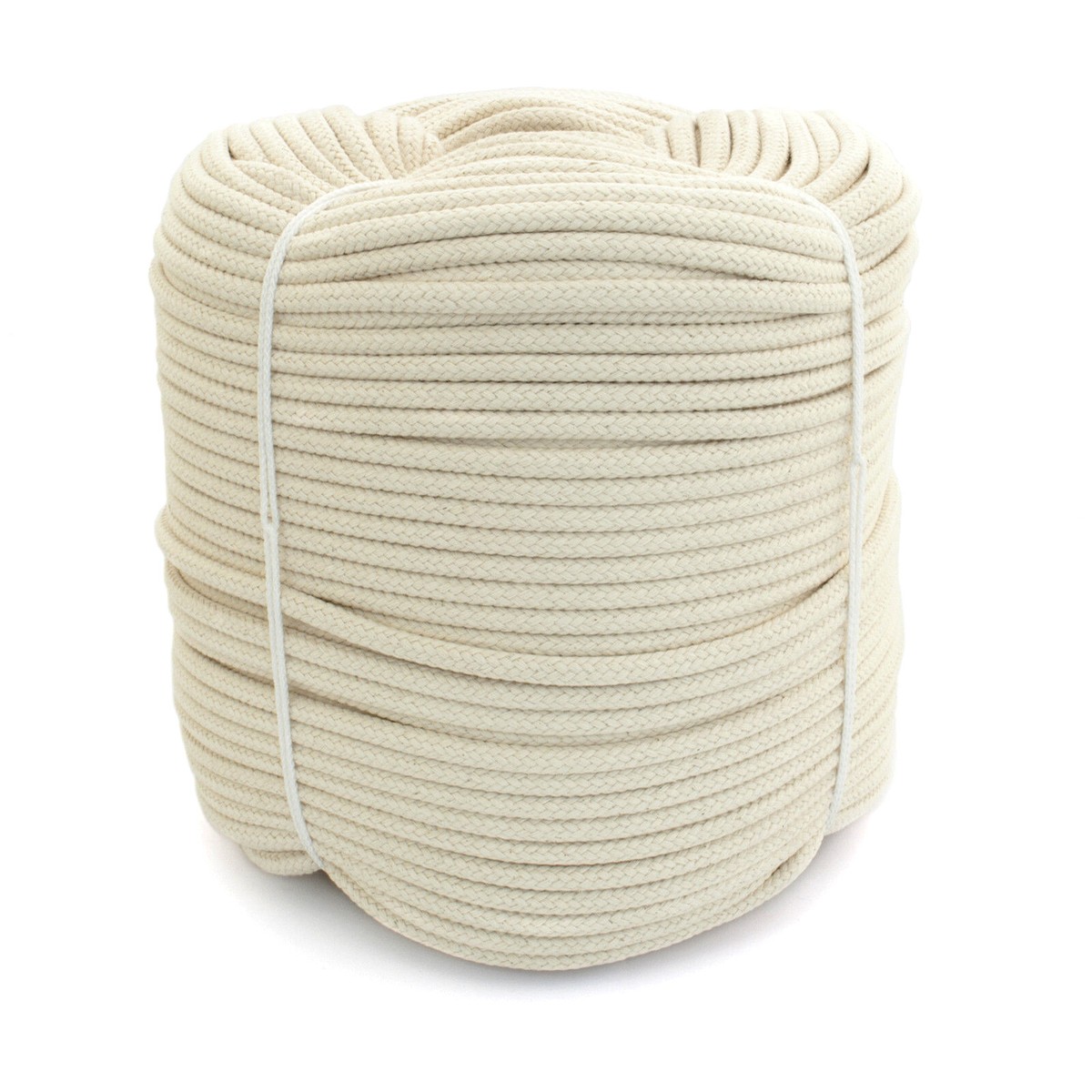
16-Strand Cotton Braided Rope

In the maritime and offshore sectors, 16-strand cotton braided rope is a niche but critical material used primarily where a soft touch, natural fiber properties, and eco-friendliness are required. While synthetic ropes (like nylon or polyester) are more common for heavy-duty load-bearing, cotton remains essential for specific auxiliary and specialized tasks.

Specifications

Usage in Shipping and Offshore

  • Safety and Handling: Due to its exceptional softness and skin-friendliness, it is used for tasks requiring frequent manual handling, such as ladder ropes or safety lines where friction burns must be avoided.
  • Deck and Utility Work: Common for securing light cargo, tying nets, and general-purpose lashing where a high-grip, non-marring surface is needed.
  • Emergency and Marine Safety: Used in life-saving equipment and specific rescue scenarios where its biodegradable nature and lack of synthetic snap-back are advantageous.
  • Offshore Rigging: Employed as “soft” messenger lines or for light-duty subsea operations where chemical resistance to specific oils is required over synthetic alternatives.

Common Sizes and Specifications

Standard diameters for marine and offshore applications typically range from 8mm to 20mm.

  • 8mm – 12mm: Primarily used for light hauling, tying nets, and decorative/auxiliary deck tasks.
  • 14mm – 20mm: Suitable for medium-duty tasks, including securing small boat gear or transporting lighter goods.
  • Heavy Duty (25mm+): Specialized versions can reach up to 120mm for heavy-duty industrial shipping needs, with breaking strengths potentially exceeding 11 tons for high-quality certified variants.

Precautions for Marine Environments

  • Water Absorption:Cotton absorbs water readily, which increases its weight and causes it to swell, leading to a temporary loss of strength.
  • Drying and Storage:Ropes must be dried completely before storage in a well-ventilated, cool, dry area to prevent mold and internal rot.
  • Saltwater Management:Always rinse with freshwater after use in the sea to remove salt crystals that can cause internal fiber abrasion and stiffness.
  • Avoid Overloading:Unlike nylon, cotton has low elasticity; sudden “shock” loads can cause it to fail much faster than a synthetic line of the same diameter.


Let’s Discuss Your Project Needs