Products

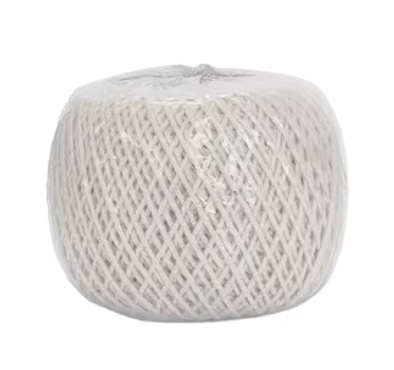
Sail Twine – Waxed/ Unwaxed

Sail twine is a specialized heavy-duty cordage used primarily for repairing sails, whipping rope ends to prevent fraying, and general rigging tasks. While both waxed and unwaxed versions are available, waxed polyester is generally the industry standard for marine environments due to its superior durability and ease of use in heavy fabrics.

Specifications

Common Sizes and Their Uses

Sail twine sizes are often denoted by thickness in mm or by manufacturer-specific “numbers”.

Practical Sailor +1

  • 0.5mm – 1mm (Small/Fine): Ideal for small repairs, hand-sewing light canvas, and whipping small-diameter lines (up to 6mm).
  • 1mm – 1.5mm (Medium): The most popular all-purpose range for whipping lines between 8mm and 12mm.
  • 5 – 2mm (Large): Used for heavy-duty whipping on lines up to 18mm and for structural sail repairs on cruising boats.
  • 2 – 3mm+ (Extra Large): Reserved for very large diameter ropes and heavy commercial or voyaging sails.

Waxed vs. Unwaxed Sail Twine

Feature  Waxed Sail Twine Unwaxed Sail Twine
Primary Advantage Lubrication: Glides easily through thick sailcloth and rope strands without snagging. Flexibility: More fluid movement; better for decorative knotting or crafts like macramé.
Durability High: Wax protects fibers from salt, UV, and internal friction, extending life by up to 40%. Lower: More prone to fraying and environmental degradation over time.
Knot Security Excellent: Wax creates “tackiness” that helps knots and whippings stay tight. Moderate: Can be slippery or prone to unraveling, especially with synthetic fibers.
Handling Tends to tangle less as fibers stay held together; stiffer feel. Can fray or “fuzz” during use, making threading needles more difficult.
Sealing Wax helps seal the holes made by the needle, adding a degree of water resistance. Leaves needle holes open, which can lead to moisture seepage in heavy rain or spray.

Summary of Pros and Cons

  • Waxed Pros: Best for marine longevity, reduces needle friction, seals stitches, and maintains tight tension in whippings.
  • Waxed Cons: Slightly thicker profile; wax can melt in extreme heat (potentially staining paper if used for bookbinding); stiffer than unwaxed.
  • Unwaxed Pros: Highly flexible with a natural matte finish; better for delicate work where wax buildup isn’t desired.
  • Unwaxed Cons: Higher risk of fraying, lacks UV/moisture protection, and can be harder to work through dense materials.

Let’s Discuss Your Project Needs